Key Takeaways
- NAD plus helps cells turn food into usable energy every day.
- NAD plus also supports DNA repair, stress response and cell cleanup.
- Levels can fall with age, inflammation, poor sleep and heavy alcohol use.
- Human supplement research shows higher NAD markers, with mixed health results.
- Real food, sleep, sunlight, movement and lower sugar intake support energy chemistry.
Cellular Energy
NAD Plus Basics
NAD plus is short for nicotinamide adenine dinucleotide. It is a small helper molecule found in every cell.
Cells use it to move electrons, which are tiny charged particles, during energy production. Food cannot become usable energy without this kind of electron movement.
NAD plus and NADH work like a pair. NAD plus accepts electrons, and NADH carries them to energy making steps inside cells.
Mitochondria then use those electrons to help make ATP, the main energy currency of the body. Reviews describe NAD plus as a central molecule for energy balance, redox balance and cell repair (1).
Low energy is often talked about like a caffeine problem. Cell energy is deeper than stimulation.
The body needs food, oxygen, minerals, hormones, sleep and working mitochondria. NAD plus sits inside that system because it helps food energy move through the chain that makes ATP.
Mitochondria
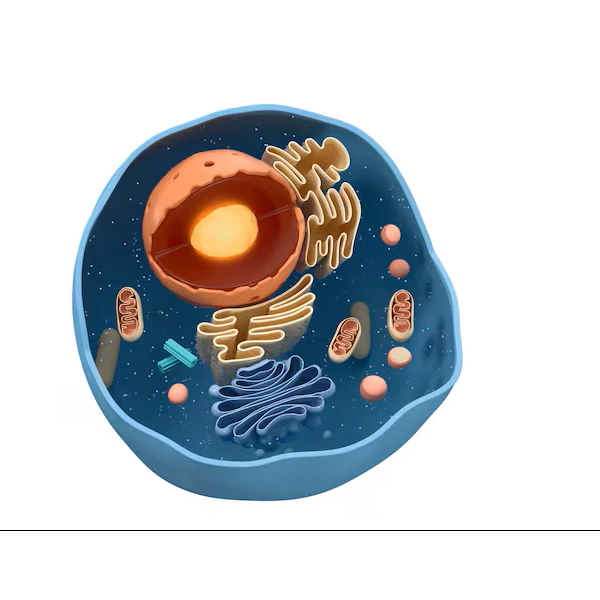
Mitochondria are the small parts of cells that make much of your energy. They take fuel from fat, glucose and amino acids, then use oxygen to help make ATP.
NAD plus helps move energy from those fuels into the mitochondrial energy chain. Poor NAD balance can make this process less smooth.
NAD plus is also tied to sirtuins, PARPs and other enzymes that use NAD while helping control repair and stress response.
Sirtuins help adjust mitochondrial function, inflammation and fuel use. PARPs help with DNA repair after damage.
These systems use NAD plus while doing their work, so repair demand can affect NAD supply (2).
Redox Balance
Redox balance means the body can move electrons without creating too much stress. NAD plus and NADH help keep that balance.
When the balance is poor, cells may struggle to turn fuel into energy cleanly. Oxidative stress can rise when energy chemistry gets strained.
A cell with better redox balance can handle fuel more cleanly. A cell under stress may burn fuel less cleanly and make more reactive byproducts.
NAD plus cannot fix poor food, poor sleep or toxic load by itself. It works inside the larger energy system.
Daily NAD Use
Repair Demand
Your body uses NAD plus every day for more than energy. DNA repair enzymes use NAD when they respond to damage from normal metabolism, sunlight, pollution, alcohol and other stressors.
Immune activation and inflammation can also increase NAD use. A stressed body can burn through more of this molecule.
Aging research often focuses on NAD plus because some studies show lower NAD related markers with age.
Reviews describe age, inflammation, DNA damage and metabolic stress as factors that may disturb NAD metabolism (1, 3).
Alcohol can place a heavy load on NAD chemistry because alcohol breakdown uses NAD plus. Heavy drinking can shift redox balance and strain the liver.
The liver already handles fuel, bile, waste and blood from the gut. Adding alcohol makes energy chemistry harder, especially when sleep and food quality are poor.
Sleep & Light
Sleep affects cellular energy because repair work rises during rest. Poor sleep can worsen blood sugar control, raise stress hormones and make mitochondrial work harder.
NAD plus sits downstream of those signals because cells need it while repairing damage and handling fuel.
Good sleep is one of the simplest ways to lower the daily repair burden. Morning light helps the body clock, and the body clock helps time fuel use.
NAD biology connects with circadian rhythm because several clock enzymes and fuel signals talk to each other.
Reviews describe strong links between NAD metabolism, sirtuins and circadian control (4). A steady sleep rhythm gives cells a cleaner schedule for energy and repair.
Food Signals
Food quality changes NAD demand and energy flow. Sugar and starch push glucose into the blood, and frequent glucose hits can strain insulin response and liver energy control.
A lower sugar diet gives the body fewer large glucose swings to manage. Meat, eggs, seafood, butter, ghee, tallow and organs give dense nutrition without fortified grain fillers.
NAD plus depends on vitamin B3 chemistry, and animal foods provide useful forms of B vitamins in a real food matrix.
Beef, poultry, fish, eggs and dairy can support B vitamin intake without relying on fortified cereal or synthetic B products.
Fortified grains are a weak trade because they bring starch and lab added nutrients together.
ATP Depends On Minerals
ATP production needs minerals, oxygen handling, fuel and working mitochondria.
NAD Plus Benefits
Energy Support
The clearest benefit of NAD plus is basic energy chemistry. Cells need NAD plus to move electrons from food into ATP production.
Fatigue can come from poor sleep, low food intake, anemia, thyroid issues, infection, stress, blood sugar swings or many other causes.
Human trials show that some NAD precursors can raise NAD related markers in blood or tissue.
A controlled trial in healthy middle aged and older adults found that nicotinamide riboside raised blood NAD plus metabolites and was well tolerated over six weeks (5).
Metabolic Health
NAD plus is closely tied to insulin response, liver fuel handling and mitochondrial work.
A small trial in women with prediabetes found that nicotinamide mononucleotide improved muscle insulin sensitivity and insulin signaling in muscle (6).
Energy metabolism improves most when the main stressors are removed. Sweet drinks, desserts, bread, cereal, pasta, seed oils, alcohol and constant snacking all raise the daily load.
NAD chemistry cannot outwork a diet that keeps flooding the liver with sugar and processed food. A real meal rhythm gives the energy system a better chance.
Brain & Nerves
The brain uses a lot of energy, so NAD plus draws attention in brain research.
A phase one trial in Parkinson disease found that nicotinamide riboside raised brain NAD levels in some participants and changed brain metabolism markers (7).
A randomized trial in older adults with mild cognitive impairment found that nicotinamide riboside raised blood NAD plus but did not improve cognition over the study period (8).
Nerve and brain support still starts with food, sleep, light, movement and blood sugar control.
The brain does poorly with poor sleep, alcohol, high sugar intake and constant stress. NAD plus sits inside that larger biology. Better daily inputs reduce the need to chase one molecule.
Better vs Worse
| Better | Worse |
|---|---|
| Magnesium | Poor sleep |
| Copper status | Sugar |
| Protein intake | Iron overload |
| Strength work | No movement |
Supplement Claims
Mixed Human Results
NAD plus wellness claims often run ahead of human evidence.
Reviews of NAD precursors report that NR and NMN can raise NAD markers, while clear health outcomes remain mixed and limited by small trials, short follow up and different study designs (9).
Some trials report changes in inflammation markers, muscle signaling, brain NAD or blood metabolites.
Other trials show little change in body composition, insulin response, strength or cognition.
Human biology is rarely fixed by one molecule. The strongest claims should wait for larger trials with real health outcomes and longer safety tracking.
Direct NAD Products
Direct NAD plus products and IV clinics make the biggest claims. Oral NAD plus may not behave the same as NAD precursors because the gut breaks many compounds down before they reach cells.
IV use also raises a separate concern because getting a molecule into the blood does not prove it enters cells in a useful way.
Evidence for high priced NAD infusions is much weaker than the marketing.
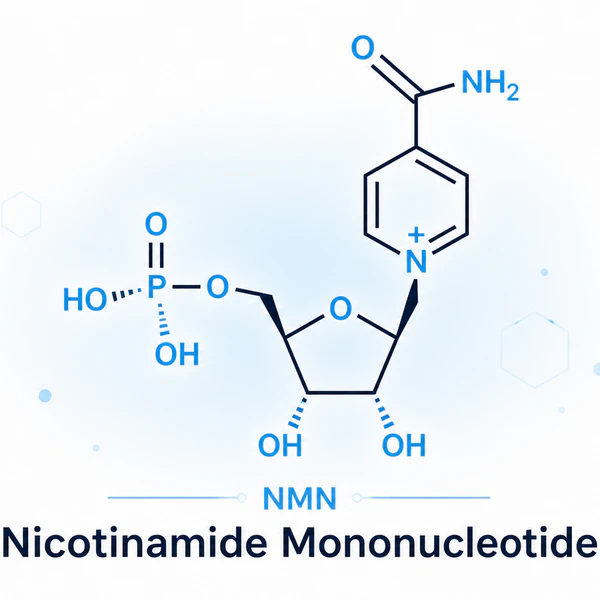
NAD precursors such as nicotinamide riboside and nicotinamide mononucleotide have more human research than IV wellness claims. Even there, the safest stance is careful.
Raising NAD markers can happen, but long term benefit is not settled.
People with cancer, pregnancy, serious illness or complex medical histories need stronger caution because NAD biology touches growth, repair and immune pathways.
Real Food First
NAD support should start with reducing the daily load on cells.
- Eat real food made up of meat, eggs, seafood, animal fat and organ foods.
- Avoid seed oils, fortified grains, alcohol excess and ultra processed snacks.
- Always keep carbohydrates as low as possible.
These steps reduce the energy burden while giving the body dense raw materials.
Movement helps because muscle uses fuel and supports glucose control. Walking, lifting, carrying and sprinting give mitochondria a reason to work.
Heat, cold, sunlight and fasting can act as stress signals, but they should be used carefully. Weak sleep, low food intake and high stress make hard stress tools less useful.
A strong NAD plan is not a supplement chase. It is better fuel, fewer toxins, stronger sleep, better light timing and daily muscle use. The molecule is real, and the hype is real too. Keep the biology and ignore the sales pitch.
For any health concerns or questions about a medical condition, get guidance from a physician or another appropriately trained clinician. Before changing your diet, supplements or health routine, talk with a licensed healthcare professional.
Suggested Posts

Evidence Limits
Research
Covarrubias, A.J. et al. 2021. NAD plus metabolism and its roles in cellular processes during ageing. Nature Reviews Molecular Cell Biology, 22, pp. 119 to 141. Available at: https://pmc.ncbi.nlm.nih.gov/articles/PMC7963035/
Lautrup, S. et al. 2024. Roles of NAD plus in health and aging. Nature Aging. Available at: https://pubmed.ncbi.nlm.nih.gov/37848251/
Mouchiroud, L., Houtkooper, R.H. and Auwerx, J. 2013. NAD plus metabolism. A therapeutic target for age related metabolic disease. Critical Reviews in Biochemistry and Molecular Biology, 48(4), pp. 397 to 408. Available at: https://pubmed.ncbi.nlm.nih.gov/23742622/
Peek, C.B. et al. 2013. Circadian clock NAD plus cycle drives mitochondrial oxidative metabolism in mice. Science, 342(6158), pp. 1243417. Available at: https://pmc.ncbi.nlm.nih.gov/articles/PMC3940960/
Martens, C.R. et al. 2018. Chronic nicotinamide riboside supplementation is well tolerated and elevates NAD plus in healthy middle aged and older adults. Nature Communications, 9, 1286. Available at: https://pubmed.ncbi.nlm.nih.gov/29719225/
Yoshino, M. et al. 2021. Nicotinamide mononucleotide increases muscle insulin sensitivity in prediabetic women. Science, 372(6547), pp. 1224 to 1229. Available at: https://pubmed.ncbi.nlm.nih.gov/33888596/
Brakedal, B. et al. 2022. The NADPARK study. A randomized phase one trial of nicotinamide riboside supplementation in Parkinson disease. Cell Metabolism, 34(3), pp. 396 to 407. Available at: https://pubmed.ncbi.nlm.nih.gov/35235774/
Wu, C.Y. et al. 2023. A randomized placebo controlled trial of nicotinamide riboside in older adults with mild cognitive impairment. Aging Cell. Available at: https://pubmed.ncbi.nlm.nih.gov/37994989/
Damgaard, M.V. et al. 2023. What is really known about the effects of nicotinamide riboside supplementation in humans. Science Advances. Available at: https://pmc.ncbi.nlm.nih.gov/articles/PMC10361580/
Abdellatif, M. et al. 2021. NAD plus metabolism in cardiac health, aging and disease. Circulation, 144(22), pp. 1795 to 1817. Available at: https://www.ahajournals.org/doi/10.1161/CIRCULATIONAHA.121.056589
Radenkovic, D. and Verdin, E. 2020. Clinical evidence for targeting NAD therapeutically. Pharmaceuticals, 13(9), 247. Available at: https://pmc.ncbi.nlm.nih.gov/articles/PMC7558103/
Freeberg, K.A. et al. 2023. Dietary supplementation with NAD boosting compounds in humans. Current Developments in Nutrition, 7(11), 102003. Available at: https://pmc.ncbi.nlm.nih.gov/articles/PMC10692436/
Berven, H. et al. 2023. NR SAFE. A randomized double blind safety trial of high dose nicotinamide riboside in healthy adults. Nature Communications. Available at: https://pmc.ncbi.nlm.nih.gov/articles/PMC10684646/
Nanga, R.P.R. et al. 2024. Acute nicotinamide riboside supplementation increases brain NAD plus levels in healthy human volunteers. Aging Cell. Available at: https://pmc.ncbi.nlm.nih.gov/articles/PMC11436296/
Vinten, K.T. et al. 2025. NAD plus precursor supplementation in human ageing. Ageing Research Reviews. Available at: https://pubmed.ncbi.nlm.nih.gov/41083806/
Iqbal, T. et al. 2024. The therapeutic perspective of NAD plus precursors in age related diseases. Biomedicine and Pharmacotherapy. Available at: https://pubmed.ncbi.nlm.nih.gov/38340651/
Gallagher, C. et al. 2026. NAD plus supplementation for anti aging and wellness. A PRISMA guided systematic review of preclinical and clinical evidence. Ageing Research Reviews. Available at: https://pubmed.ncbi.nlm.nih.gov/41655607/