Alzheimer’s Disease Symptoms Causes & Treatment

Key Takeaways Alzheimer’s Disease Basics Slow Brain Change Alzheimer’s disease is a slow brain disease that damages memory, thinking and daily function. It is the most common cause of dementia in older adults. Dementia means loss of thinking ability that becomes strong enough to affect normal life, work, safety or self care (1). The disease … Read more

PAM Enzyme Effects On Hormones, Peptides & Health

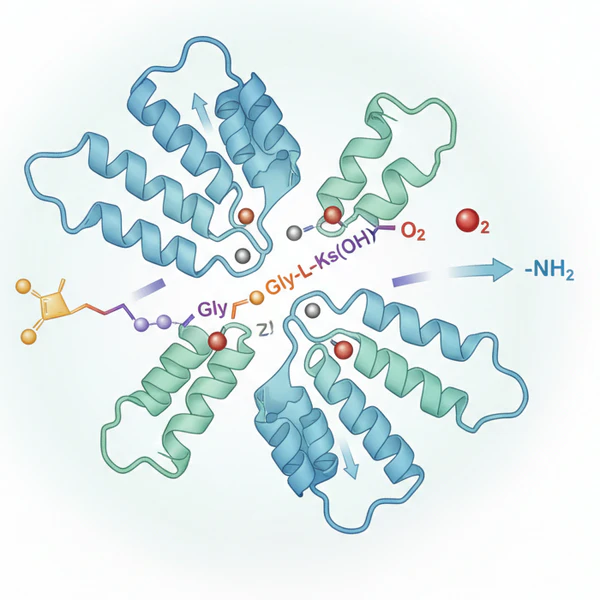
Key Takeaways PAM Basics What PAM Does PAM gives many peptide hormones and neuropeptides their active final form. The full name is peptidylglycine alpha amidating monooxygenase. It adds a small chemical group called an amide to the tail end of certain peptides. That last step can decide whether a signal is strong enough to do … Read more

Ferroptosis, Seed Oils & Iron Overload

ferroptosis

Key Takeaways What Ferroptosis Means The Core Event Ferroptosis is a form of cell death driven by iron and oxidized fats in the cell membrane. The membrane is the soft outer layer that helps keep the cell whole and working. When too many membrane fats become oxidized, the membrane loses strength and the cell starts … Read more

Synthetic Zinc Supplements: Risks & Dangers

zinc

Key Takeaways Zinc Pills Synthetic Zinc Synthetic zinc is zinc put into pills, capsules, drops, lozenges and drink powders. Common forms include zinc gluconate, zinc sulfate and zinc acetate. These products give zinc by itself. Food does not work that way because food gives zinc with other minerals, fat and protein. Adults have an upper … Read more

11 Trace Minerals Benefits That Support Whole Body Health

trace minerals

Key Takeaways Trace minerals are minerals the body needs in tiny amounts. Tiny does not mean small value. These nutrients help cells work, carry oxygen, heal cuts, build thyroid hormones, and protect tissues from damage. The body cannot make trace minerals on its own. Food has to bring them in day after day. When intake … Read more

Atherosclerosis Prevention Strategies: Insights From Scientific Research

atherosclerosis

Key Takeaways Artery Plaque Basics Artery Wall Stress Atherosclerosis is a slow change inside artery walls. Plaque tends to grow where arteries face pressure, strain and disturbed blood flow. Branch points and curved areas are common places for stress because blood does not move through them in a smooth line (1). Veins do not face … Read more

How To Lower Triglycerides Fast

Key Takeaways Main Food Drivers Cut Sugar Triglycerides are fats in your blood. Your liver can make more of them when sugar and starch keep coming in. Sweet drinks, desserts, bread, cereal, pasta and snack foods are common triggers. Controlled feeding research found that high carb intake can raise triglyceride production in the liver (1). … Read more

Triglycerides: Levels & Range Explained

Key Takeaways What Are Triglycerides Fuel In The Blood Triglycerides are a type of fat the body stores for energy, then uses later when food is not coming in. They are made from three fatty acids joined to a glycerol backbone, which is a small structure that holds them together. Blood is water based, so … Read more

Heart Health Tips For Daily Energy And Wellness

Key Takeaways Heart Work Busy Cell Design The heart never gets a true rest period, because it keeps beating through sleep, work, worry, meals, heat, and movement. Most muscles stop and start through the day, but the heart keeps working without pause from birth to death. That nonstop workload helps explain why small strains can … Read more

Quit Sugar For 14 Days: Real Changes In Two Weeks

sugar

Key Takeaways What Counts As Sugar For a 14 day break, the clearest target is added sugar. That means sugar put into soda, juice drinks, candy, pastries, sweet yogurt, breakfast bars, sauces, and many packaged snacks. A person may still eat whole foods such as eggs, meat, fish, plain dairy, and fruit, but the main … Read more

Metabolic Syndrome: Managing This Health Risk

Key Takeaways Metabolic syndrome describes a pattern of health signals that rise together. These signals include waist size, blood sugar, blood fats, and blood pressure. The pattern often traces back to insulin resistance, a state where cells stop responding well to insulin. Food choices, daily habits, and body fat distribution all affect these markers. Many … Read more

Boost Insulin Sensitivity Naturally

Key Takeaways Insulin sensitivity describes how well the body’s cells respond to insulin. Insulin moves glucose from the blood into cells so it can be used for energy. When cells stop responding well, blood sugar rises. Food choices, movement, sleep, and mineral balance all affect this process. Several lifestyle changes can support better insulin sensitivity … Read more

Insulin Resistance: What It Is & How to Manage It

Key Takeaways The Basics Insulin is a hormone from the pancreas that helps move glucose from blood into muscle and fat cells, and it also guides the liver on how much glucose to make. Think of insulin as a traffic officer that directs glucose to the right place. When everything is working, your blood sugar … Read more

Inflammation: Causes & Effects

inflammation

Key Takeaways What Inflammation Does Inflammation is part of the body’s defense system. It starts when tissue is hurt or when microbes enter the body. The immune system sends signals and immune cells to the area to contain the threat and begin repair. This process is helpful when it is brief. Problems start when the … Read more

Oxidative Stress Causes, Effects & Natural Solutions

Key Takeaways Oxidative Stress Basics Cell Damage Oxidative stress means your body has more oxidants than it can control. Oxidants are reactive molecules that can damage fats, proteins and DNA when they rise too high. Your body makes some oxidants during normal energy work. Immune cells also use oxidants when they fight microbes. Small amounts … Read more