Key Takeaways
- Zinc pills can lower copper and hurt blood, nerves and immune defense.
- Taking too much zinc can cause nausea, vomiting, cramps, diarrhea and bad taste.
- Low copper can cause fatigue, pale skin, weak legs and poor balance.
- Zinc can hide in lozenges, powders, tablets and denture cream.
- Real food gives zinc with less risk of taking too much.
Zinc Pills
Synthetic Zinc
Synthetic zinc is zinc put into pills, capsules, drops, lozenges and drink powders. Common forms include zinc gluconate, zinc sulfate and zinc acetate.
These products give zinc by itself. Food does not work that way because food gives zinc with other minerals, fat and protein.
Adults have an upper limit of 40 mg a day from all sources because more zinc can cause harm (1).
Your body needs zinc, but it only needs a small amount. One zinc pill can give a full day of zinc.
Several lozenges can push the dose higher in one day. A label can look safe while the full amount gets too high.
Taking Too Much
Zinc can add up fast when you use more than one product. A multivitamin may have zinc. A cold lozenge may have zinc.
An immune powder may have zinc. Your body receives the full amount even when each product looks normal by itself.
The stomach often gives the first warning. Taking too much zinc can cause nausea, vomiting, stomach pain, cramps, diarrhea and a bad metallic taste (1, 2).
You may blame the cold, bad food or stress. The zinc product may be causing the sick feeling.
A bad taste can make food less appealing. Poor appetite can make illness feel worse. Zinc may be sold as help, but the wrong dose can make you feel worse.

Copper Loss
Blocked Copper
Taking too much zinc can lower copper absorption in the gut. Copper helps make red blood cells and white blood cells.
Copper also helps nerves work and helps the body handle iron. The National Institutes of Health says too much zinc can interfere with copper absorption.
About 60 mg a day for 10 weeks has been tied to lower copper markers (3).
Minerals work together inside the body. Too much of one mineral can push another one down. Zinc is a clear example.
Taking too much zinc can lower copper. Low copper can then cause problems that may look separate from the zinc product.
Copper Gets Trapped
Taking too much zinc raises a gut protein called metallothionein. The name sounds complex, but the action is simple. It grabs copper inside gut cells.
The trapped copper can leave the body when those cells shed. Less copper then reaches the blood.
Medical reports have linked too much zinc with copper deficiency, anemia and low white blood cells.
Hoffman and colleagues described copper deficiency after excess oral zinc use (4). The problem came from taking too much zinc.
Copper loss can build slowly. Fatigue, pale skin and weaker immune defense may show up before nerve signs become clear.
Many people keep taking zinc because the bottle sounds helpful. The daily habit can keep the problem going.
Blood & Nerves
Blood Problems
Copper helps your body make healthy blood cells. Low copper can cause anemia, which means you have fewer healthy red blood cells.
Low copper can also lower white blood cells. Immune defense can become weaker when white blood cells drop.
The problem can be missed when nobody asks about supplements. A person may hear about tiredness, poor diet or low iron while the zinc source stays in place. Synthetic iron is a bad answer when copper loss is blocking normal mineral handling.
Nerve Problems
Copper helps the spinal cord and nerves work. Low copper can cause numb feet, tingling hands, weak legs, poor balance and trouble walking.
These signs need fast medical care because nerve injury can become hard to reverse.
A Neurology case series linked long use of zinc from denture cream with copper deficiency and serious nerve disease (5).
The zinc came from a daily mouth product. Many people would never count denture cream as a zinc source.
Immune Problems
Zinc is often sold for immune support. Taking plenty zinc for a long time can still disturb immune function.
The same mineral your body needs can cause problems when it comes in large isolated doses for too long (1).
Food zinc is different from repeated zinc pills and lozenges. Food gives zinc with protein, fat and other minerals.
Pills and lozenges push zinc by itself. That strong push can lower copper and create a new problem.
Hidden Zinc
Cold Products
Cold lozenges can add a lot of zinc during a short illness. Some people take several in one day.
Others keep using them after the cold passes. The dose rises even faster when lozenges are added to tablets or powders.
Zinc lozenge research often looks at cold symptoms, but a possible benefit does not remove dose risk (6).
A product can be studied for one use and still cause harm when used too often. Risk rises when several zinc products are used together.
Denture Cream
Denture adhesive cream has caused serious zinc overload reports. A person may use it every day and never think of it as a zinc source. The exposure can continue for months or years without a pill bottle nearby.
These cases show why every source counts. Zinc overload does not always come from a bottle marked high dose. A daily mouth product can still add enough zinc to lower copper over time (5).
Years Of Use
Large zinc doses become more concerning when used for years. A large study of men linked very large zinc supplement use above 100 mg a day and use for 10 years or more with higher advanced prostate cancer risk (7).
The study was observational, so it does not prove zinc caused the cancer outcome. It still gives a clear warning against casual large doses.
Synthetic zinc should not become a daily habit because an immune label makes it sound safe.
Food Zinc
Better Sources
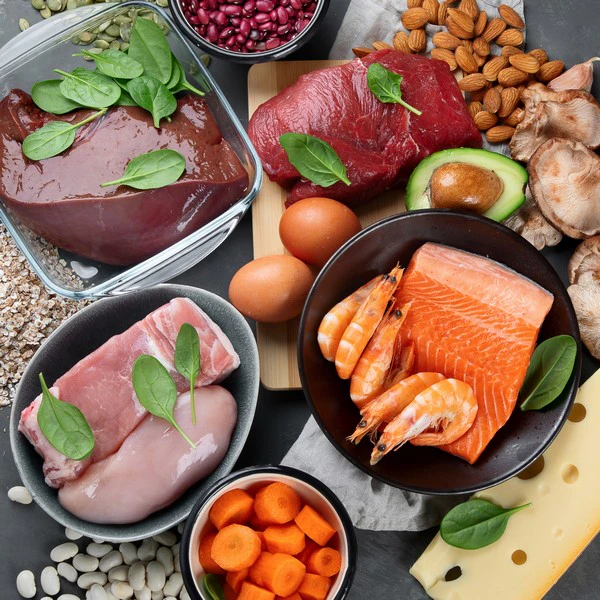
Food gives zinc in smaller amounts with other nutrients. Oysters, beef, crab and dairy foods contain zinc without the same isolated dose as pills.
Zinc from food also comes with protein, fat and minerals inside real food (1).
Whole animal foods are better zinc sources for most people. Oysters are rich in zinc. Beef gives a steadier amount.
Dairy foods can add smaller support. These foods do not carry the same overload risk as stacking pills, lozenges and powders.
Check The Label
Check every label if you already use zinc. Add the zinc from pills, lozenges, powders, drops, multivitamins and denture cream.
Count the full daily amount. Your body receives the total even when zinc comes from different products.
Compare your total with the adult upper limit of 40 mg a day from all sources. A higher number does not prove harm, but it shows higher risk. Stomach pain, vomiting, fatigue, numbness, weak legs or poor balance need fast medical care after heavy zinc use.
For any health concerns or questions about a medical condition, get guidance from a physician or another appropriately trained clinician. Before changing your diet, supplements or health routine, talk with a licensed healthcare professional.
Suggested Posts


Research
National Institutes of Health Office of Dietary Supplements, 2026. Zinc Fact Sheet for Health Professionals. Available at: https://ods.od.nih.gov/
Mayo Clinic, 2025. Zinc. Mayo Clinic Supplements. Available at: https://www.mayoclinic.org/
National Institutes of Health Office of Dietary Supplements, 2022. Copper Fact Sheet for Health Professionals. Available at: https://ods.od.nih.gov/
Hoffman, H.N. II, Phyliky, R.L. and Fleming, C.R., 1988. Zinc induced copper deficiency. Gastroenterology, 94(2), pp.508 to 512. Available at: https://pubmed.ncbi.nlm.nih.gov/3335323/
Nations, S.P., Boyer, P.J., Love, L.A., Burritt, M.F., Butz, J.A., Wolfe, G.I., Hynan, L.S., Reisch, J. and Trivedi, J.R., 2008. Denture cream an unusual source of excess zinc, leading to hypocupremia and neurologic disease. Neurology, 71(9), pp.639 to 643. Available at: https://pubmed.ncbi.nlm.nih.gov/18525032/
Hemilä, H. and Chalker, E., 2015. The effectiveness of zinc lozenges for common cold a meta analysis. JRSM Open. Available at: https://doi.org/10.1177/2054270415594237
Leitzmann, M.F., Stampfer, M.J., Wu, K., Colditz, G.A., Willett, W.C. and Giovannucci, E.L., 2003. Zinc supplement use and risk of prostate cancer. Journal of the National Cancer Institute, 95(13), pp.1004 to 1007. Available at: https://pubmed.ncbi.nlm.nih.gov/12837837/
Mayo Wilson, E., Hemilä, H., Chalker, E., Treacy, B., Heneghan, C., Plüddemann, A., Onakpoya, I., Mahtani, K., Nunan, D. and Howick, J., 2014. Zinc for the common cold. Cochrane Database of Systematic Reviews. Available at: https://doi.org/10.1002/14651858.CD001364.pub4
Hooper, P.L., Visconti, L., Garry, P.J. and Johnson, G.E., 1980. Zinc lowers high density lipoprotein cholesterol levels. JAMA.
Yadrick, M.K., Kenney, M.A. and Winterfeldt, E.A., 1989. The effect of zinc supplementation on copper status and serum lipids in adult men. American Journal of Clinical Nutrition.
Fischer, P.W.F., Giroux, A. and L’Abbé, M.R., 1984. The effect of zinc supplementation on copper status in adult man. American Journal of Clinical Nutrition.
Prasad, A.S., Brewer, G.J., Schoomaker, E.B. and Rabbani, P., 1978. Zinc induced copper deficiency in man. JAMA.
Hedera, P., Peltier, A., Fink, J.K., Wilcock, S., London, Z., Brewer, G.J. and Al Lozi, M.T., 2009. Myelopolyneuropathy and pancytopenia due to copper deficiency and high zinc levels of unknown origin. Neurology. Available at: https://doi.org/10.1212/01.wnl.0000335766.87221.62
Fosmire, G.J., 1990. Zinc toxicity. American Journal of Clinical Nutrition. Available at: https://doi.org/10.1093/ajcn/51.2.225
Plum, L.M., Rink, L. and Haase, H., 2010. The essential toxin impact of zinc on human health. International Journal of Environmental Research and Public Health. Available at: https://doi.org/10.3390/ijerph7051342
Sandstead, H.H., 1995. Requirements and toxicity of essential trace elements, illustrated by zinc and copper. American Journal of Clinical Nutrition.