Main Theme
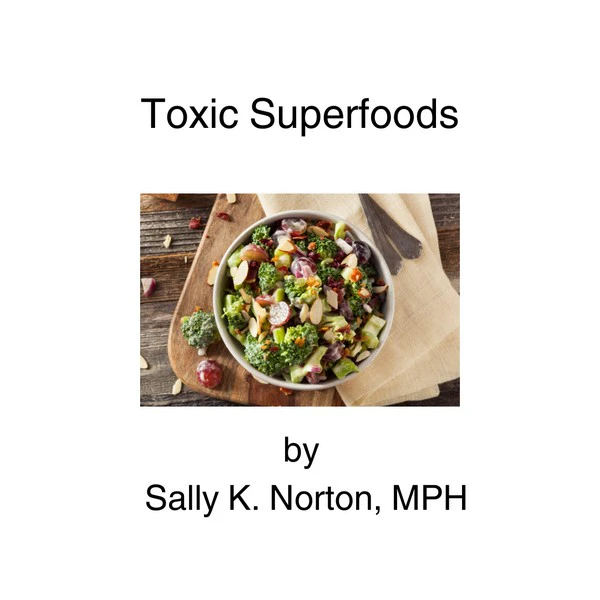
Toxic Superfoods by Sally K. Norton, MPH, is a comprehensive guide that sheds light on the hidden dangers of oxalates in foods commonly perceived as healthy.
Norton, a nutrition educator, argues that these naturally occurring compounds can contribute to a range of chronic health issues and offers practical advice on how to mitigate their effects.
Understanding Oxalates:
- Sources: Found in many plant foods, including spinach, almonds, and sweet potatoes.
- Health Impact: High oxalate intake can lead to kidney stones, joint pain, inflammation, and other health issues. Oxalates can bind with calcium to form crystals, leading to mineral deficiencies and other complications
Health Impacts of Oxalates:
- Chronic Conditions: Norton discusses how oxalates can contribute to conditions such as chronic fatigue, brain fog, and digestive distress.
- Oxalate Dumping: Transitioning too quickly from a high oxalate diet to a low oxalate one can cause “oxalate dumping,” leading to symptoms like nausea, dizziness, and joint pain

Credit — amazon.com
Dietary Recommendations:
The book provides a step by step program to safely reduce oxalate intake, including detailed charts of high oxalate foods to avoid and low oxalate alternatives.
Emphasizes the importance of gradually reducing oxalate intake to avoid adverse effects associated with oxalate dumping
Challenging Conventional Wisdom:
- Plant Based Diets: Norton critiques the popular advice to eat more plants, highlighting the potential risks of consuming high oxalate foods.
- Balance and Moderation: Encourages a balanced approach to diet that considers individual health conditions and dietary needs
Practical Guidance:
Includes practical tips, meal plans, and recipes to help readers incorporate low oxalate foods into their diets.
Offers additional resources and support for those transitioning to a low oxalate diet, including a community of individuals with similar health goals
Critical Analysis
Strengths:
- The book provides a thorough examination of oxalates from multiple perspectives, including medical, scientific, and dietary.
- Offers practical advice and actionable steps for reducing oxalate intake, making it accessible to a wide audience
Weaknesses:
- Some of Norton’s claims about the dangers of oxalates and the benefits of a low oxalate diet are viewed skeptically by some in the scientific community.
- The strict avoidance of high oxalate foods may be challenging for some individuals to maintain long term
About the Author

Credit — amazon.com
Sally K. Norton, MPH, is a nutrition educator with a background in public health. She has dedicated her career to researching and educating others about the impact of oxalates on health.
Her personal experiences with chronic health issues and the discovery of oxalates as a contributing factor inspired her to write Toxic Superfoods.
Norton is also a speaker and consultant, helping individuals and healthcare providers understand and manage oxalate related health issues.

If you’re looking to improve your health by understanding and managing oxalate intake, this book provides practical advice and a structured approach to help you reach your health goals.
Pick up your copy at Amazon
Credit — amazon.com
By adopting the principles outlined in Toxic Superfoods, readers can potentially achieve better energy levels, reduce inflammation, and find relief from chronic pain.
For more detailed information, you can explore the book further on Sally K. Norton’s website
Suggested Posts