Key Takeaways
- Urolithin A may help older muscle clear damaged mitochondria and handle repeated work.
- Human trials show better muscle endurance, strength markers and some mitochondrial blood markers.
- Food sources depend on gut bacteria, so the same foods can give different results.
- Urolithin A works slowly through cell cleanup rather than a fast stimulant effect.
- Strength training, protein, sleep and minerals still carry the larger energy load.
Urolithin A Basics
Cell Cleanup
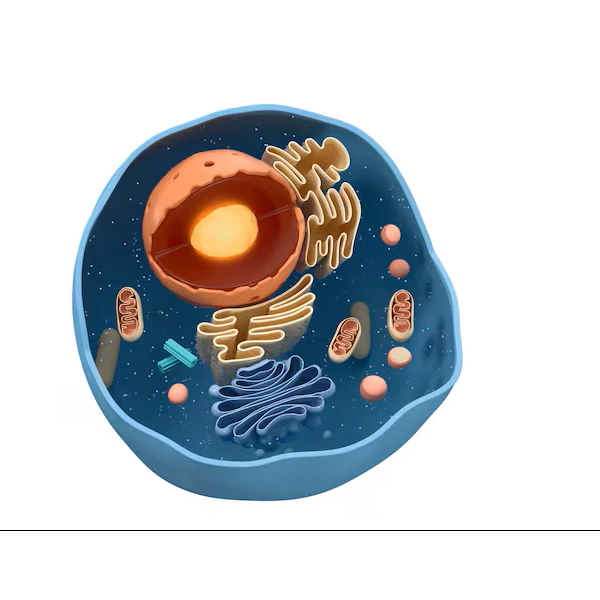
Your muscles often tire faster as you get older. Damaged mitochondria can build up inside muscle cells and make energy production less steady.
Urolithin A helps trigger mitophagy, which is the cleanup process cells use to remove worn mitochondria.
Human research now links this compound to better muscle endurance and better mitochondrial markers in some groups (1).
Muscle Energy
Muscle energy depends on clean mitochondria and enough food coming in.
Weak mitochondria can make repeated work feel harder than it should. Better cleanup can help muscle keep going longer before fatigue takes over.
Urolithin A works slowly through cell repair signals. It does not push the nervous system like caffeine. People who expect a quick rush will judge it the wrong way.
The better test is repeated muscle work over several weeks, such as grip work, hill walking or lifting volume.
Older muscle also needs a strong signal from daily life. Lifting, carrying and sprinting tell the body to keep muscle tissue strong.
Enough complete protein gives the body material for repair. Sleep gives muscle time to recover from the work.
Gut Bacteria
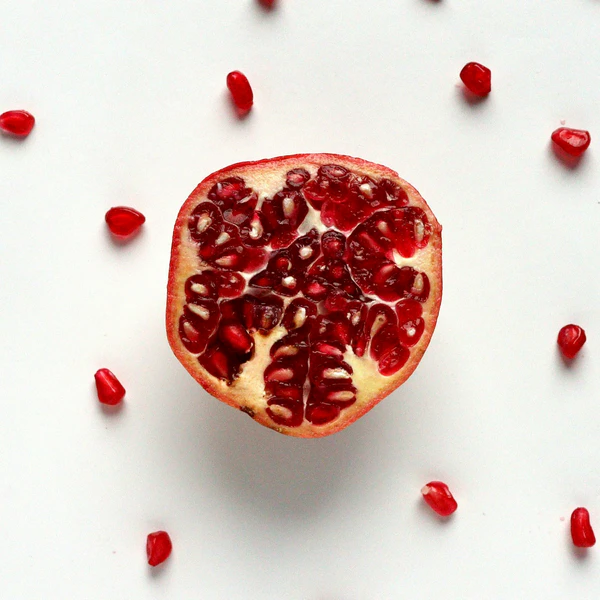
Your body can make urolithin A from compounds found in pomegranate, raspberries and walnuts.
Gut bacteria must turn those starting compounds into the final compound. Many people make little or none from the same foods, even when intake looks similar (2).
Human Trial Results
Older Adults
A trial in adults aged 65 to 90 used 1000 milligrams daily for four months. People taking urolithin A improved endurance in hand and leg muscle tests.
Their blood markers also moved in a direction linked with better mitochondrial health. The same study did not show a clear gain in six minute walk distance (3).
The result points to fatigue resistance during muscle work. It does not prove a broad rise in daily energy for everyone.
Some people may notice stairs feel easier or repeated tasks feel less draining. Others may notice little if sleep, food or training are poor.
Middle Age
A trial in middle aged adults used 500 milligrams and 1000 milligrams daily for four months. People taking urolithin A improved some strength and exercise results.
Blood markers also pointed toward better mitochondrial function. The higher dose gave stronger signals in several measures (4).
Trained Men
A trial in resistance trained men used 1000 milligrams daily for eight weeks. The men improved some strength and endurance measures.
Researchers also reported lower oxidative stress and lower inflammatory markers after training. This adds evidence in people who already ask their muscles to work hard (5).
Training gives a cleaner way to judge results. A person can track reps, load, walking distance or recovery between sessions.
Mood based energy is much harder to measure. A clear training log shows whether muscle is handling repeated work better.
People who barely use their muscles may notice less. The body keeps tissue that receives a strong reason to stay.
Urolithin A may help cell cleanup, but muscle still needs work to stay strong. The strongest plan uses the compound around real training.
A person should also fix the obvious drains first. Poor sleep can erase any small gain from a supplement.
Low protein can slow repair. Too much sugar or starch can make energy swing up and down through the day.
ATP Depends On Minerals
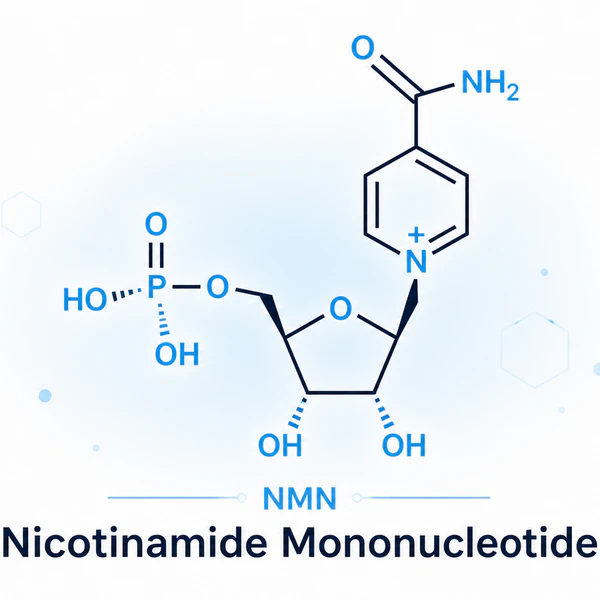
ATP production needs minerals, oxygen handling, fuel and working mitochondria.
Food, Training & Daily Base
Food Conversion
Pomegranate gives starting compounds, not a guaranteed dose of the final compound. Gut bacteria still have to convert them.
Many people do not convert them well. A food source can help some people, but it will not act the same in every gut.
Better Muscle Base
Muscle needs real nutrition before a supplement can do much. Grass fed ruminant meat, organs and pasture raised eggs give complete protein and useful minerals.
Wild seafood can also work well. These foods give muscle the material it needs for repair.
Stable animal fats help keep food intake steady. Butter, ghee and tallow are better choices than seed oils.
Low fat eating can leave people underfed and weaker over time. Muscle repair needs enough protein, fat and minerals each day.
Carbohydrates should stay low enough to avoid energy swings. Frequent sugar and starch can make energy feel unstable.
Fortified grains are a poor base because they bring processed starch and added synthetic iron. Better meals rely on real food and no constant snacking.
Strength Signal
Muscle stays stronger when it gets a clear demand. Lifting, carrying and sprinting tell the body to keep useful tissue.
The compound can help cleanup inside cells, but the muscle still needs a reason to stay strong. Training gives that reason.
People who barely use their muscles may notice less. A cleanup signal works better when muscle is being used often.
Strength work gives the body a clear target for repair. Protein and sleep then help finish the job.
Better vs Worse
| Better | Worse |
|---|---|
| Magnesium | Poor sleep |
| Copper status | Sugar |
| Protein intake | Iron overload |
| Strength work | No movement |
Safety & Real Results
Safety Record
Human studies have reported good tolerance so far. Older adults, middle aged adults and trained men have used the compound in trials without major safety signals.
Most trials lasted weeks or months rather than years, so long term use still needs more human data (3, 6).
Daily Energy
Expect muscle changes before a clear change in daily energy. Better endurance during repeated work is the strongest human signal.
Stairs may feel easier. Training recovery may improve. A person may still feel no major change if sleep, food or movement are poor.
A 2024 review found five human studies with 250 healthy people. The review found anti inflammatory effects and changes in mitochondrial gene markers.
It did not find clear gains in broad physical function or maximal ATP production. The human evidence is promising, but it is still limited (1).
A 2025 trial in healthy middle aged adults used 1000 milligrams daily for four weeks. Researchers reported changes in immune cell metabolism and markers linked with immune aging.
Immune cells also depend on mitochondria, so the result fits the wider cell cleanup picture (7).
Four weeks only gives a short view. Healthy middle aged adults are also different from frail older adults.
The finding adds another human clue, but it does not prove broad anti aging effects. The most useful target remains muscle endurance and measurable recovery.
Progress Tracking
Pick one measure before starting. Use grip time, walking distance, stairs, lifting volume or recovery between hard sets.
Repeat the same test after eight to sixteen weeks. A clear measure keeps the result honest and reduces guessing from mood.
For any health concerns or questions about a medical condition, get guidance from a physician or another appropriately trained clinician. Before changing your diet, supplements or health routine, talk with a licensed healthcare professional.
Suggested Posts

Evidence Limits
Research
Kuerec, A.H. et al. 2024. Targeting aging with urolithin A in humans: A systematic review. Ageing Research Reviews. DOI: 10.1016/j.arr.2024.102397. PMID: 39002645.
Tomás-Barberán, F.A. et al. 2014. Ellagic acid metabolism by human gut microbiota: Consistent observation of three urolithin phenotypes in intervention trials, independent of food source, age and health status. Journal of Agricultural and Food Chemistry. DOI: 10.1021/jf5024615. PMID: 24976365.
Liu, S. et al. 2022. Effect of Urolithin A Supplementation on Muscle Endurance and Mitochondrial Health in Older Adults: A Randomized Clinical Trial. JAMA Network Open. DOI: 10.1001/jamanetworkopen.2021.44279. PMID: 35050355.
Singh, A. et al. 2022. Urolithin A improves muscle strength, exercise performance, and biomarkers of mitochondrial health in a randomized trial in middle-aged adults. Cell Reports Medicine. DOI: 10.1016/j.xcrm.2022.100633. PMID: 35584623.
Zhao, H. et al. 2024. Assessment of Urolithin A effects on muscle endurance, strength, inflammation, oxidative stress and protein metabolism in male athletes with resistance training: an 8-week randomized, double-blind, placebo-controlled study. Journal of the International Society of Sports Nutrition. DOI: 10.1080/15502783.2024.2419388. PMID: 39487653.
Andreux, P.A. et al. 2019. The mitophagy activator urolithin A is safe and induces a molecular signature of improved mitochondrial and cellular health in humans. Nature Metabolism. DOI: 10.1038/s42255-019-0073-4. PMID: 32694802.
Denk, D. et al. 2025. Effect of the mitophagy inducer urolithin A on age-related immune remodeling in humans. Nature Aging. DOI: 10.1038/s43587-025-00996-x.
Faitg, J. et al. 2023. Mitophagy activation by urolithin A to target muscle aging. International Journal of Molecular Sciences. DOI: 10.3390/ijms25010001.
Zhao, H. et al. 2023. Pharmacological effects of urolithin A and its role in muscle health and performance. Nutrients. DOI: 10.3390/nu15224757.
D’Amico, D. et al. 2021. Urolithin A improves mitochondrial health, reduces cartilage degeneration and alleviates pain in osteoarthritis. Aging Cell. DOI: 10.1111/acel.13494.
González-Sarrías, A. et al. 2017. Urolithins, the rescue of old metabolites to understand a new concept: Metabotypes as a nexus among phenolic metabolism, microbiota dysbiosis and host health status. Molecular Nutrition & Food Research. DOI: 10.1002/mnfr.201500901.
Kujawska, M. and Jodynis-Liebert, J. 2020. Potential of the ellagic acid derived gut microbiota metabolite urolithin A in gastrointestinal protection. World Journal of Gastroenterology. DOI: 10.3748/wjg.v26.i23.3170.
Banc, R. et al. 2023. The impact of ellagitannins and their metabolites through gut microbiome on gut health and brain wellness within the gut brain axis. Foods. DOI: 10.3390/foods12020270.
Liu, H. et al. 2024. Correlation between intestinal microbiota and urolithin production after ellagic acid intake. Food & Function. DOI: 10.1039/d4fo01821a.
Pidgeon, R. et al. 2025. Diet derived urolithin A is produced by a dehydroxylase encoded by the human gut microbiome. Nature Communications. DOI: 10.1038/s41467-025-56266-2.