Key Takeaways
- NMN helps the body make NAD plus, a core molecule for cell energy.
- Human studies show NMN can raise NAD plus markers in blood.
- Benefits for aging, strength, sleep and metabolism still need stronger proof.
- Food, sleep, sunlight and muscle work support energy before supplements.
- Long term safety data remains limited, despite good short term tolerance.
NMN Basics
Cell Fuel
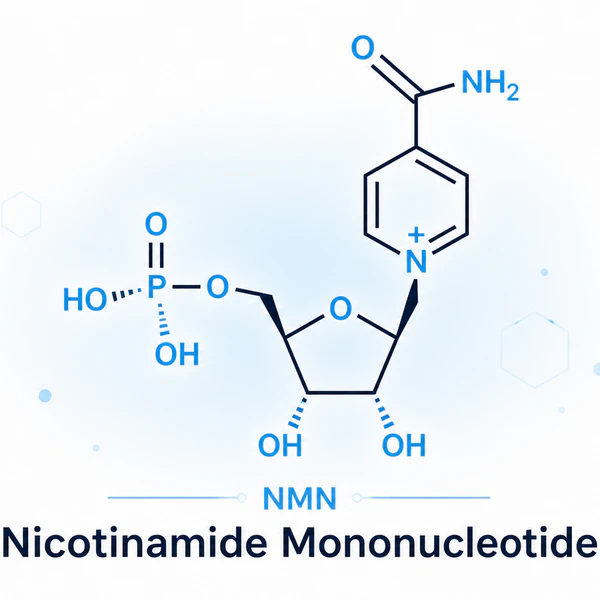
NMN stands for nicotinamide mononucleotide. It is a small molecule your body uses to make NAD plus, which helps cells move energy from food into usable fuel.
NAD plus also helps enzymes tied to repair, stress control and normal cell signaling.
Your cells already make NMN inside the body. You also get tiny amounts from foods, but the amount from food is far below the doses used in most human trials.
Human research mainly studies NMN as a supplement because trial doses are much higher than normal food amounts (1, 2).
NAD Plus Link
NAD plus helps redox reactions, which means it helps move electrons during cell energy work.
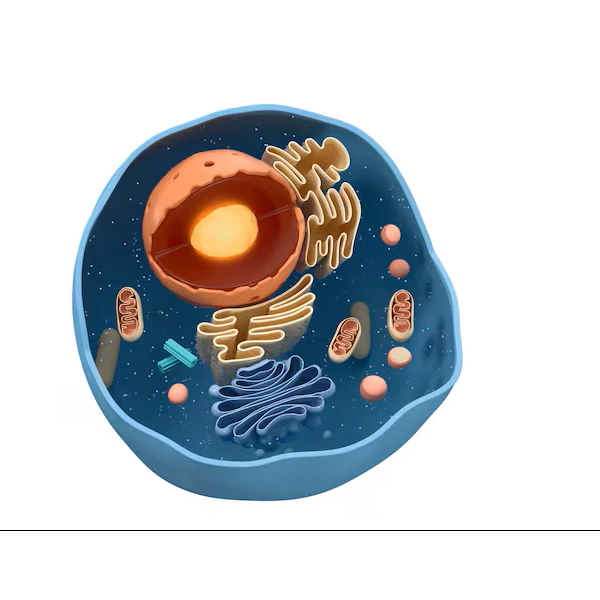
Mitochondria need this kind of electron movement to make ATP. ATP is the main energy unit your cells use for muscle work, brain work, repair and daily function.
A 2026 review of NAD boosting compounds found that oral NMN and related compounds often raise NAD related blood markers in humans.
The same review found mixed results for real outcomes such as performance, metabolism, blood vessel health and other aging linked targets (1).
Research Signals
Blood Marker Changes
The clearest human result is marker change. In a randomized double blind trial, 250 mg of oral NMN per day for 12 weeks raised whole blood NAD plus in healthy adults.
The study reported no clear safety problems in standard lab tests during the trial period (2).
This kind of result proves the supplement can change blood chemistry. It does not prove that every person feels more energy or ages slower.
A marker can rise while sleep, food quality, strength, sunlight and stress still drive most of the real outcome.
Older Adults
A 2024 double blind randomized trial gave older adults 250 mg per day for 12 weeks.
The trial found higher blood NAD plus markers, shorter four meter walking time and better sleep quality scores in the NMN group.
The primary stepping test did not show a significant group difference, so the results are useful but still narrow (3).
The same trial reported no adverse effects tied to the test substance.
This supports short term tolerance at that dose in that group. It does not answer long term use, higher dose use or use in people with active disease.
Metabolic Health
One important trial studied postmenopausal women with prediabetes. NMN improved muscle insulin sensitivity and insulin signaling after 10 weeks.
This result points toward possible metabolic use in a specific group, but it should not be stretched into a broad promise for all adults (4).
Another open label trial in healthy middle aged men used 250 mg per day for 8 weeks.
NAD plus rose in peripheral blood mononuclear cells, and a small subgroup with higher insulin response showed lower post meal insulin exposure.
The subgroup was only three people, so the result should stay small in the claim (5).
ATP Depends On Minerals
ATP production needs minerals, oxygen handling, fuel and working mitochondria.
Energy & Performance
Exercise Capacity
Exercise studies are one reason people connect NMN with physical energy.
A randomized double blind study in amateur runners reported that NMN plus training improved aerobic capacity more than training alone.
The study used multiple dose groups and looked at oxygen use during running work (6).
A 2024 review of randomized trials on physical performance found no serious adverse effects and reported non significant improvement in performance measures overall (7).
Muscle Function
Muscle energy depends on many inputs. NAD plus is one input, but muscle also needs protein, minerals, thyroid support, nerve signals and repeated load.
NMN may help some energy pathways, but it cannot replace strength work or enough nutrient dense food.
High quality real whole food should come first. A strong foundation includes
- ruminant meat,
- eggs,
- wild seafood,
- healthy fat,
- sea salt and
- steady meal timing.
This gives the body real raw material instead of trying to force one pathway with a single product.
Better vs Worse
| Better | Worse |
|---|---|
| Magnesium | Poor sleep |
| Copper status | Sugar |
| Protein intake | Iron overload |
| Strength work | No movement |
Safety & Limits
Short Term Data
Short term human trials have generally reported good tolerance. Trial doses often range from 250 mg to higher amounts for weeks or months.
The best evidence supports NAD marker increases more clearly than broad anti aging claims.
The safety limits still need respect. Many trials are small, short and often done in specific groups.
A 2026 review found human oral NMN and NR studies were generally well tolerated over weeks to months, but it also said health outcome effects were mixed and often unclear (1).
Long Term Questions
Long term use needs more evidence because NAD biology touches repair, growth, stress response and cell survival.
People with cancer, pregnancy, immune disease or complex medical care need extra caution. A molecule that changes repair signals should not be treated like a harmless trend.
Product quality is another problem. Supplements can vary by dose, purity and added ingredients.
Many formulas add compounds that make the risk harder to judge. Clean single ingredient products are easier to assess than blends with stimulants, herbs or synthetic stacks.
Aging Claims
NMN is often sold as an aging fix. Human studies do not prove that claim.
They show marker changes, some possible performance signals, some sleep signals and one notable insulin sensitivity result in a defined group.
NMN is a real NAD precursor with early human evidence. It is not proven to extend life in humans. It should be below
- sleep,
- sunlight,
- movement,
- protein,
- mineral balance
- avoidance of seed oils, ultra processed foods and fortified grains.
Energy Check
Daily Support
Food Base
Meat, eggs, seafood and dairy foods give you B vitamins, amino acids, minerals and fats that support energy work. Liver adds retinol, copper and many B vitamins in a dense form.
Low fat eating works against this base. Your body needs animal fat for hormones, bile flow, fat soluble nutrients and stable energy.
A high carb diet can also keep glucose handling active all day, which may add strain for people already dealing with poor energy control.
Light & Sleep
Sleep gives cells time to repair, reset and clear stress signals. Morning light helps set the body clock, which guides hormone timing, hunger, body heat and energy output.
Late bright light can weaken sleep and make energy feel worse the next day.
These inputs can change how you feel faster than many supplements. Better sleep and more sunlight also support training, appetite control and steady mood.
Movement & Meals
Muscle work tells cells to keep mitochondria active. Walking, lifting, sprinting and outdoor work all create a real signal for energy use.
The body often responds better to repeated physical demand than to passive supplement use.
Meal spacing also helps many people. One to three full meals based on meat, eggs, seafood and animal fat can reduce the need to graze all day. Clear meal rhythm gives the body time to use stored fuel and keeps daily energy more stable.
For any health concerns or questions about a medical condition, get guidance from a physician or another appropriately trained clinician. Before changing your diet, supplements or health routine, talk with a licensed healthcare professional.
Suggested Posts

Evidence Limits
Research
Gallagher, C. and Emmanuel, O.O. 2026. NAD⁺ supplementation for anti aging and wellness. A PRISMA guided systematic review of preclinical and clinical evidence. Ageing Research Reviews. DOI 10.1016/j.arr.2026.103057.
Okabe, K. et al. 2022. Oral administration of nicotinamide mononucleotide is safe and efficiently increases blood nicotinamide adenine dinucleotide levels in healthy subjects. Frontiers in Nutrition. DOI 10.3389/fnut.2022.868640.
Morifuji, M. et al. 2024. Ingestion of β nicotinamide mononucleotide increased blood NAD levels, maintained walking speed and improved sleep quality in older adults in a double blind randomized, placebo controlled study. GeroScience. DOI 10.1007/s11357 024 01204 1. PMID 38789831.
Yoshino, M. et al. 2021. Nicotinamide mononucleotide increases muscle insulin sensitivity in prediabetic women. Science. DOI 10.1126/science.abe9985. PMID 33888596.
Yamaguchi, S. et al. 2024. Safety and efficacy of long term nicotinamide mononucleotide supplementation on metabolism, sleep and nicotinamide adenine dinucleotide biosynthesis in healthy, middle aged Japanese men. Endocrine Journal. DOI 10.1507/endocrj.EJ23 0431.
Liao, B. et al. 2021. Nicotinamide mononucleotide supplementation enhances aerobic capacity in amateur runners. A randomized, double blind study. Journal of the International Society of Sports Nutrition. DOI 10.1186/s12970 021 00442 4. PMID 34238308.
Wen, J. et al. 2024. Improved physical performance parameters in patients taking nicotinamide mononucleotide. A systematic review of randomized control trials. Cureus. DOI 10.7759/cureus.66043. PMID 39221308.
Zhang, J. et al. 2025. Efficacy of oral nicotinamide mononucleotide supplementation on glycaemic and lipid profiles in adults. A systematic review with meta analysis on randomized controlled trails. Critical Reviews in Food Science and Nutrition. DOI 10.1080/10408398.2024.2387324. PMID 39116016.
Yi, L. et al. 2023. The efficacy and safety of β nicotinamide mononucleotide supplementation in healthy middle aged adults. A randomized, multicenter, double blind, placebo controlled, parallel group, dose dependent clinical trial. GeroScience. DOI 10.1007/s11357 022 00705 1. PMID 36482258.
Kim, M. et al. 2022. Effect of 12 week intake of nicotinamide mononucleotide on sleep quality, fatigue and physical performance in older Japanese adults. A randomized, double blind placebo controlled study. Nutrients. DOI 10.3390/nu14040755. PMID 35215405.
Song, Q. et al. 2023. The safety and antiaging effects of nicotinamide mononucleotide in human clinical trials. An update. Advances in Nutrition. DOI 10.1016/j.advnut.2023.09.003.
Mills, K.F. et al. 2016. Long term administration of nicotinamide mononucleotide mitigates age associated physiological decline in mice. Cell Metabolism. DOI 10.1016/j.cmet.2016.09.013. PMID 28068222.
Shade, C. 2020. The science behind NMN. A stable, reliable NAD plus activator and anti aging molecule. Integrative Medicine. PMID 32549893.
Fang, E.F. et al. 2017. NAD⁺ in aging. Molecular mechanisms and translational implications. Trends in Molecular Medicine. DOI 10.1016/j.molmed.2017.08.001. PMID 28899755.
Rajman, L. et al. 2018. Therapeutic potential of NAD boosting molecules. The in vivo evidence. Cell Metabolism. DOI 10.1016/j.cmet.2018.02.011. PMID 29514064.
Covarrubias, A.J. et al. 2021. NAD⁺ metabolism and its roles in cellular processes during ageing. Nature Reviews Molecular Cell Biology. DOI 10.1038/s41580 020 00313 x. PMID 33353981.
Lautrup, S. et al. 2019. NAD⁺ in brain aging and neurodegenerative disorders. Cell Metabolism. DOI 10.1016/j.cmet.2019.09.001. PMID 31564408.
Alegre, G.F.S. et al. 2023. NAD⁺ precursors nicotinamide mononucleotide and nicotinamide riboside in health and disease. Nutrients. DOI 10.3390/nu15081817.