Key Takeaways
- Xeriscaping lowers water use through careful design, suitable plants, mulch and efficient watering.
- A water wise garden can look green, colourful and full without needing constant care.
- Grouping plants by water needs makes watering easier and reduces waste throughout the garden.
- Native and climate adapted plants usually need less water after their roots become established.
- Paths, stones, shaded areas and ground cover add beauty while reducing lawn maintenance.
Beautiful Xeriscape Design
Start With The Space
Xeriscaping uses careful garden design to reduce watering without leaving the yard dry or empty.
A well planned garden can include shade trees, flowering plants, winding paths, seating areas and small sections of lawn.
Begin by watching how sunlight, rain and water move across the property. Mark areas that receive full sun, afternoon shade or regular runoff.
Existing trees may already provide useful shade and reduce water loss from the soil.
Keep healthy trees and shrubs when possible. Established plants often need less care than new ones because their roots already reach deeper into the ground.
Removing everything can create more work and increase watering during the first few years. (1)
Divide the garden into clear areas instead of spreading plants evenly across the yard. Use taller plants near walls or fences, medium shrubs through the centre and low plants near paths.
Repeating the same plants in small groups creates a calmer and more finished appearance.
Keep Useful Lawn
Xeriscaping does not require removing every section of grass. Keep lawn where it serves a clear purpose, such as a play area or open space near the house.
Small areas with simple edges take less time to mow and water. Curved strips and narrow corners often create extra work because sprinklers miss parts of the grass and send water onto paths.
Replace unused lawn with planted beds, ground cover, mulch or a shaded seating area.
Water wise ground covers can soften large spaces and reduce mowing in areas that are difficult to reach. (2)
Choose grass that suits the local climate when lawn remains part of the design. Grass developed for dry conditions usually needs less water than varieties suited to cooler or wetter areas. (3)
Low Water Plant Ideas
Choose Local Plants
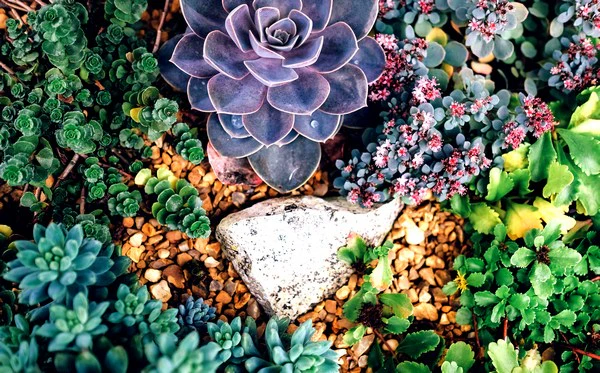
Native plants already grow under local rainfall, heat and soil conditions. Many need little extra water after their roots develop.
Local plants may also need less fertiliser and fewer pest treatments because they have adapted to nearby growing conditions. (4)
Plant choice still depends on the exact location. A plant that handles dry weather may struggle in heavy clay, deep shade or a low area where rain collects.
Check mature height and width before planting. Small nursery plants can grow much wider than expected. Proper spacing reduces pruning and prevents crowded growth later.
A garden can use several plant shapes without looking crowded. Combine upright grasses, rounded shrubs and low spreading plants.
Add flowers in a few repeated colours instead of placing many unrelated plants together.
Group Similar Plants
Place plants with similar water needs in the same part of the garden. Garden designers often call these areas water zones.
Keep plants that need regular watering closer to the house or a water source. Place drought tolerant plants farther away where the soil dries faster.
Grouping plants this way prevents one area from receiving extra water only because a single plant needs it. The same method also reduces damage from giving dry climate plants too much water. (5)
Use the lowest areas for plants that tolerate more moisture. Place plants that prefer dry soil on raised ground or slopes where water drains quickly.
Add Shade
Trees reduce heat around paths, walls and outdoor seating areas. Their shade also slows water loss from nearby soil.
Choose a tree with a mature size that suits the space. Large trees planted too close to walls, drains or power lines often need heavy pruning later.
Small trees can mark entrances or create shade over a bench. Larger trees may cool a wider part of the garden and reduce direct sun on nearby plants.
Leave enough open soil around young trees for water to reach the roots. Keep mulch away from the trunk.
Soil Quality Changes The Result
Plant health depends on soil, water, sunlight, pests and mineral balance.
Mulch Paths & Stone
Cover Bare Soil
Bare soil loses water quickly during hot and windy weather. Mulch covers the ground, slows evaporation and limits weed growth.
Wood chips and shredded bark work well around trees and shrubs. They slowly break down and add organic material to the soil.
A layer about five to ten centimetres deep usually covers the soil well. Very thin mulch allows weeds through while very deep mulch can hold too much moisture near plant stems. (6)
Mulch can greatly reduce water loss from exposed soil. It also protects the surface from crusting and reduces temperature changes around plant roots. (7)
Keep a small clear space around trunks and thick stems. Mulch piled against wood can hold moisture against the plant and encourage decay.
Use Stone Carefully
Gravel and decorative stone create clean paths, dry stream beds and open spaces between plants. They can also reduce mud and make narrow areas easier to use.
Use stone as part of the garden instead of covering every open area. Large areas of exposed rock can become very hot under strong sun and raise temperatures around nearby plants.
Mix stone with shaded planting areas, trees and small sections of organic mulch. A few larger rocks often look more natural than a flat layer of identical gravel.
Choose permeable paths where possible. Gravel, loose stone and spaced paving allow rain to enter the soil instead of sending all of it toward drains.
Use vs Avoid
| Use | Avoid |
|---|---|
| Compost | Overwatering |
| Clean water | Poor drainage |
| Healthy soil | Unknown sprays |
| Pest inspection | Ignoring soil problems |
Efficient Watering
Use Drip Lines
Drip irrigation sends water close to plant roots. Less water reaches paths, walls and empty ground.
Use separate watering zones for trees, shrubs and smaller plants. Each group develops roots at a different depth and may need a different watering schedule.
Micro irrigation works well around trees, shrubs and planted beds while spray irrigation is usually better reserved for lawn. (8)
Check tubes and emitters several times during the year. Soil, insects and plant roots can block small openings.
Move emitters farther from the trunk as young trees grow. Expanding the watered area encourages roots to spread through the soil.
Water Deeply
Longer watering with enough time between sessions encourages deeper root growth. Frequent light watering keeps moisture close to the surface and can leave plants less prepared for dry weather.
Soil type changes how quickly water enters the ground. Sandy soil drains quickly while clay absorbs water slowly and may need several shorter watering periods. (9)
New plants still need regular water while their roots spread. Drought tolerant plants do not become independent as soon as they enter the ground. (10)
Reduce watering slowly as plants become established. Watch the soil and the plant instead of following the same schedule throughout the year.
Capture Rain
Direct roof water toward planted areas when local rules and drainage allow it. Shallow channels and planted low areas can slow runoff and give water more time to enter the ground.
Keep water away from building foundations. Direct overflow toward a safe drainage point during heavy rain.
Small changes in ground level can guide water toward trees and planted beds. Passive rain collection uses the shape of the land without pumps or storage tanks. (11)
Garden Check
Easy Garden Upkeep
Reduce Repeated Work
Choose plants that keep a natural shape without frequent cutting. Check mature size before buying so shrubs do not outgrow paths or cover windows.
Leave enough room between plants for air movement and future growth. Crowded plants often need repeated trimming and can become harder to water.
Use edging between lawn, paths and planted beds. Clear edges make mowing easier and stop grass from spreading into mulch.
Remove weeds while they are small. A thick mulch layer reduces new growth and makes remaining weeds easier to pull.
Check the watering system at the start of each dry season. Repair leaks, clear blocked emitters and adjust water as plants grow. (12)
Xeriscaping becomes easier after the garden develops. Established roots need less help, grouped plants make watering clearer and well placed mulch reduces weeds and dry soil.
Suggested Posts

Evidence Limits
Research
United States Environmental Protection Agency (2013) Water Smart Landscapes Start With WaterSense. United States Environmental Protection Agency.
Colorado State University Extension (1995) Xeriscaping Ground Cover Plants. Colorado State University.
Utah State University Extension (2020) Water Wise Landscaping Practical Turfgrass Areas. Utah State University.
United States Environmental Protection Agency (2017) Water Smart Landscape Design Tips. United States Environmental Protection Agency.
Utah State University Extension (2022) Maintaining a Water Wise Landscape. Utah State University.
Utah State University Extension (2024) Water Wise Landscaping Mulch. Utah State University.
United States Environmental Protection Agency (2021) Water Smart Landscapes Start With WaterSense. United States Environmental Protection Agency.
Utah State University Extension (2026) How to Irrigate Efficiently. Utah State University.
Colorado State University Extension (2014) Water Wise Landscape Design Steps. Colorado State University.
University of Arizona Cooperative Extension (2013) Passive Water Harvesting. University of Arizona.
United States Environmental Protection Agency (2026) Landscaping Tips. United States Environmental Protection Agency.
Wilkins, C., Daily, C. and Call, R. (2009) Water Wise Landscape Design in 5 Easy Steps. University of Arizona Cooperative Extension.
Colorado State University Extension (2020) Water Wise Landscape Design. Colorado State University.
Utah State University Extension (2002) Water Wise Landscaping. Utah State University.
Utah State University Extension (2024) Creating Sustainable School and Home Gardens Water Wise Gardening. Utah State University.
Colorado State University Extension (2026) Water Conservation. Colorado State University.
United States Environmental Protection Agency (2021) Landscaping Tips. United States Environmental Protection Agency.
University of Arizona Cooperative Extension (2024) Water Wise. University of Arizona.
Utah State University Extension (2026) Water Wise Landscaping. Utah State University.
National Geographic Society (2024) Xeriscaping. National Geographic Education.