Key Takeaways
- Many people feel less hunger when meals center on meat, eggs, seafood and fat.
- Early scale drops often come from less stored sugar and less stored water.
- Blood sugar can feel steadier after sugar, starch and grain foods leave meals.
- Older Inuit and Maasai records show human diets can rely heavily on animal foods.
- Hadza records show human diets also changed with season, place and food supply.
Early Changes
Hunger Drops
Meat, eggs, seafood and animal fat give your body dense food without sugar. Many people notice fewer snack thoughts because protein and fat slow the rush back to hunger.
A review of ketogenic diets found that hunger often stays lower during weight loss, even when weight loss usually makes people hungrier (1).
Scale Drops
The first scale drop can happen fast because your body stores sugar with water. When you stop eating sugar and starch, stored sugar falls. Water tied to that stored sugar leaves too.
Older reviews of low carb diets describe this early water loss clearly, especially during the first days of strong carb restriction (2).
Fast early loss does not mean all the lost weight is body fat. Some fat loss can start early if meals stay lower in energy.
The first big move on the scale often includes water. Clothes, waist size and strength tell you more than one morning scale reading.
You may also urinate more during the early days. Salt and fluid needs can feel different after sugar and starch leave the diet.
Some people feel flat, tired or light headed when they cut carbs hard without enough salt and animal fat.
Energy Shifts
Energy can feel rough at first because your body is changing fuel use. A person who ate bread, rice, pasta, fruit and sweets every day may need time before fat use feels normal.
The rough period often gets blamed on meat, but the real change is the sudden loss of sugar as the main fuel.
Energy often feels steadier after the first stage. Meals without sugar and starch produce fewer sharp rises and drops in blood glucose.
People with type 2 diabetes often see better blood sugar control on low carb diets in the short term, though the research is stronger for low carb diets than for strict carnivore alone (3).
Blood Sugar & Meals
Sugar Leaves
Carnivore meals remove the biggest sources of fast glucose. No grain foods, sweets, juice, soda or starch means less glucose enters the blood after meals. For people with blood sugar swings, that can feel like calmer energy and fewer crashes.
A large review on low and very low carb diets for type 2 diabetes found better remission rates at six months compared with control diets.
The same review also found that some gains were smaller at twelve months, which shows that follow through still counts (3).
A strict carnivore diet has less direct trial evidence than low carb and ketogenic diets. The closest large carnivore paper was a survey of 2029 adults.
People reported high satisfaction and many reported health gains, but the study used self reports and cannot prove cause (4).
Better results usually come from real food choices. Whole foods give more nutrition than processed meat alone.
A person eating mostly hot dogs and cheese is not eating the same diet as a person eating ruminant meat, organs, eggs and seafood.
Snack Thoughts
Snacking often fades when meals contain enough meat and fat. Many people snack because their food is too lean or too full of carbs.
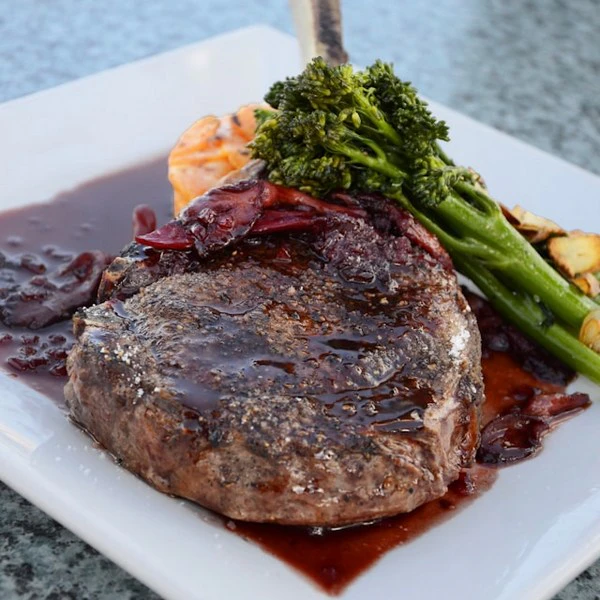
A ribeye, eggs cooked in butter or lamb with enough fat can prevent hunger longer than a carbohydrate breakfast or a low fat lunch.
Protein And Fat Drive Satiety
Animal based meals are harder to overeat when protein and fat replace sugar and snack foods.
Human Diet Range
Inuit Records
Inuit records show humans can live for long periods with very little plant food. The old Bellevue meat diet experiment followed Vilhjalmur Stefansson and Karsten Anderson under medical watch for one year.
The men ate meat and fat, and the published report described kidney function and ketosis during that period (5).
Traditional Inuit diets used nose to tail eating, seafood, marine fats and seasonal foods from a hard place. They were not eating modern processed meat from a supermarket aisle.
Maasai Records
Maasai records are often used because the traditional male diet was heavy in milk, meat and blood.
A 1972 paper reported atherosclerosis findings in Maasai men, but it also reported few complicated coronary lesions and discussed large vessel size and high physical activity (6).
The Maasai diet, movement, sunlight, cattle culture and daily life were very different from a modern desk life.
Human bodies can handle animal fat and animal protein in ways that mainstream fear often ignores.
A recent review argued that direct comparisons between Maasai food traditions and modern carnivore diets can be weak.
The review still describes the traditional Maasai diet as centered on milk, meat and blood during key parts of life (7).
Hadza Lessons
Hadza records show another side of human food range. Their diet changes with season and place. Dry seasons bring more meat.
Other times bring honey, tubers, berries and baobab. Gut studies show their microbiome shifts by season, which means old human diets were flexible rather than locked to one modern rule (8).
Use vs Avoid
| Use | Avoid |
|---|---|
| Ruminant meat | Seed oils |
| Eggs | Sugar drinks |
| Seafood | Packaged snacks |
| Animal fats | Fortified grains |
Better Results
Food Quality
Better carnivore diet results usually come from fatty ruminant meat as the base. Beef, lamb, bison and goat give dense protein, fat, iron, zinc, B vitamins and creatine.
Organs add copper, retinol and other nutrients that plain muscle meat does not supply in the same amount.
Eggs and seafood can widen the nutrient range. Pasture raised eggs bring choline and fat soluble nutrients.
Sardines, salmon, oysters and other seafood give you iodine, selenium and long chain omega fats from food. Butter, ghee and tallow make meals easier to eat without forcing lean meat.
A strict meat only diet can become too lean if you choose chicken breast, tuna and trimmed steak all day. Fat helps energy, mood and meal satisfaction. Traditional animal based diets usually included fat, marrow, organs, skin, eggs, seafood or dairy when those foods were available.
For any health concerns or questions about a medical condition, get guidance from a physician or another appropriately trained clinician. Before changing your diet, supplements or health routine, talk with a licensed healthcare professional.
Suggested Posts
Research
Gibson, A.A. et al. 2015. Do ketogenic diets really suppress appetite? A systematic review and meta analysis. Obesity Reviews. DOI 10.1111/obr.12230. PMID 25402637.
Bilsborough, S.A. and Crowe, T.C. 2003. Low carbohydrate diets, what are the potential short and long term health implications. Asia Pacific Journal of Clinical Nutrition.
Goldenberg, J.Z. et al. 2021. Efficacy and safety of low and very low carbohydrate diets for type 2 diabetes remission, systematic review and meta analysis of published and unpublished randomized trial data. BMJ. DOI 10.1136/bmj.m4743. PMID 33441384.
Lennerz, B.S. et al. 2021. Behavioral characteristics and self reported health status among 2029 adults consuming a carnivore diet. Current Developments in Nutrition. DOI 10.1093/cdn/nzab133. PMID 34934897.
McClellan, W.S. and Du Bois, E.F. 1930. Clinical calorimetry XLV. Prolonged meat diets with a study of kidney function and ketosis. Journal of Biological Chemistry.
Mann, G.V. et al. 1972. Atherosclerosis in the Masai. American Journal of Epidemiology. DOI 10.1093/oxfordjournals.aje.a121365. PMID 5007361.
Goldman, D.M. et al. 2025. Traditional Maasai dietary practices and their inapplicability to modern carnivore diets, a narrative review. Cureus.
Smits, S.A. et al. 2017. Seasonal cycling in the gut microbiome of the Hadza hunter gatherers of Tanzania. Science. DOI 10.1126/science.aan4834. PMID 28839072.
Schnorr, S.L. et al. 2014. Gut microbiome of the Hadza hunter gatherers. Nature Communications. DOI 10.1038/ncomms4654. PMID 24736369.
Marlowe, F.W. and Berbesque, J.C. 2009. Tubers as fallback foods and their impact on Hadza hunter gatherers. American Journal of Physical Anthropology. DOI 10.1002/ajpa.21040. PMID 19213085.
Fragiadakis, G.K. et al. 2019. Links between environment, diet and the hunter gatherer microbiome. Gut Microbes. DOI 10.1080/19490976.2018.1494103. PMID 30047854.
Gardner, C.D. et al. 2018. Effect of low fat vs low carbohydrate diet on 12 month weight loss in overweight adults and the association with genotype pattern or insulin secretion, the DIETFITS randomized clinical trial. JAMA. DOI 10.1001/jama.2018.0245. PMID 29466592.
Hallberg, S.J. et al. 2018. Effectiveness and safety of a novel care model for the management of type 2 diabetes at 1 year, an open label, non randomized, controlled study. Diabetes Therapy. DOI 10.1007/s13300-018-0373-9. PMID 29417495.
Athinarayanan, S.J. et al. 2019. Long term effects of a novel continuous remote care intervention including nutritional ketosis for the management of type 2 diabetes, a 2 year non randomized clinical trial. Frontiers in Endocrinology. DOI 10.3389/fendo.2019.00348. PMID 31231311.
Silverii, G.A. et al. 2022. Effectiveness of low carbohydrate diets for long term weight loss in overweight and obese people, a systematic review and meta analysis. Obesity Reviews. DOI 10.1111/obr.13453. PMID 35748020.
Parry Strong, A. et al. 2022. Very low carbohydrate ketogenic diets in type 2 diabetes, a systematic review and meta analysis. Diabetes, Obesity and Metabolism. DOI 10.1111/dom.14837. PMID 36064937.
Mann, G.V. et al. 1974. Studies of a surfactant and cholesteremia in the Maasai. The American Journal of Clinical Nutrition.
Tian, W. et al. 2025. The effects of low carbohydrate diet on glucose and lipid metabolism in overweight or obese patients with type 2 diabetes, a systematic review and meta analysis. Frontiers in Nutrition. DOI 10.3389/fnut.2024.1516086.
Chen, S. et al. 2023. Ketogenic diet and multiple health outcomes, an umbrella review of meta analyses. BMC Medicine. DOI 10.1186/s12916-023-03061-5. PMID 37858078.