Key Takeaways
- The 2026 EWG Dirty Dozen flags produce with the most pesticide concern.
- Spinach, greens, strawberries, grapes, and nectarines rank near the top.
- The list can help stretch an organic budget without cutting produce intake.
- Running water removes some surface residue, but not every chemical used.
- Households can lower exposure with smart picks, peeling, and simple prep.
What The List Shows
Dirty Dozen Basics
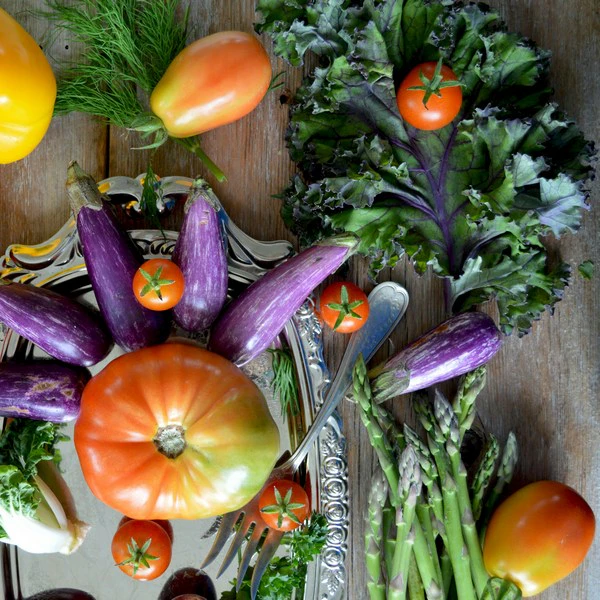
The Environmental Working Group, or EWG, updates its Dirty Dozen list each year. The 2026 guide ranks 12 fruits and vegetables with the highest pesticide concerns in EWG’s review of U.S. produce testing data.
This year’s list is spinach, kale collard mustard greens, strawberries, grapes, nectarines, peaches, cherries, apples, blackberries, pears, potatoes and blueberries (EWG, 2026).
EWG says the 2026 guide used USDA testing data from 54,344 samples of 47 fruits and vegetables.
The group reports that 203 pesticides were found on the Dirty Dozen items, and pesticides were found on 96% of samples across the 12 foods (EWG, 2026).
That does not mean these foods should be feared or cut out. It means these foods may be better picks for organic buying when a household wants to lower pesticide exposure and cannot buy every item organic.
How EWG Ranks Foods
EWG changed its method in 2025. The group says it now looks at four parts of contamination:
- how often residues are found,
- how many are found,
- how much is found, and
- how toxic those chemicals are judged to be.
EWG says this update was later described in a peer reviewed journal paper (EWG, 2025; EWG, 2025).
That change makes the list more than a count of residues. It tries to weigh possible harm, not just frequency.
Still, the list is a screening tool, not a full risk test for a real meal on a real day. That is a key limit to keep in mind.
Why Debate Remains
Some researchers have long argued that the Dirty Dozen method does not show actual health risk from normal eating amounts.
A 2011 paper concluded that estimated exposures from the most common residues on Dirty Dozen produce were very low and that the ranking method lacked scientific credibility for measuring consumer risk (Winter and Katz, 2011).
USDA also reports that more than 99% of samples in its 2024 Pesticide Data Program summary had residues below EPA benchmark levels (USDA, 2026).
That does not erase concern. It simply shows that two different questions are being asked. EWG asks which produce has more residue and more toxicity flags.
USDA asks whether samples stay below federal limits. Both points help, but they are not the same point.
Highest Priority Foods
Top Of The 2026 List
Spinach sits at number one in the 2026 Dirty Dozen. EWG says spinach had more pesticide residues by weight than any other type of produce tested.
Kale, collard, and mustard greens came next, followed by strawberries, grapes, and nectarines (EWG, 2026; EWG, 2026).
These foods are often eaten raw or only lightly washed. That makes them common targets for shoppers who want to be selective with organic spending.
Berries and tender greens also have a lot of surface area and delicate leaves or skin. That can make deep cleaning harder than it is for thick peel foods such as bananas or avocados.
Foods Added Attention This Year
Blackberries and blueberries stand out in the 2026 list. Blueberries moved onto the Dirty Dozen, and blackberries remained high after newer USDA testing.
Potatoes also rank near the bottom of the list but still raise concern because EWG says 90% of potato samples contained chlorpropham, a sprout inhibitor banned in the European Union due to health concerns (EWG, 2026).
EWG also highlights green beans and bell or hot peppers just below the Dirty Dozen because of overall pesticide toxicity scores, even though they do not sit inside the main 12 (EWG, 2026).
That makes those foods worth watching for shoppers who buy a lot of peppers, green beans, or potatoes each week.
The Clean Fifteen Contrast
The 2026 Clean Fifteen includes
- pineapple,
- sweet corn,
- avocados,
- papaya,
- onions,
- frozen sweet peas,
- asparagus,
- cabbage,
- cauliflower,
- watermelon,
- mangoes,
- bananas,
- carrots,
- mushrooms, and
- kiwi.
EWG says nearly 60% of samples in this group had no detectable pesticide residues, and only 16% had residues of two or more pesticides (EWG, 2026).
This is where the list becomes useful in daily life. A household can spend more on organic spinach, berries, and greens, then save on avocados, onions, bananas, cabbage, or cauliflower.
For many homes, that is more realistic than trying to buy every fruit and vegetable with an organic label.
Smarter Buying Choices
Best Use Of An Organic Budget
The clearest use of the Dirty Dozen is budget triage. A home that buys only a few plant foods can put organic dollars toward the highest ranked items first, especially leafy greens and berries.
For a low carb household, that may look like organic spinach, organic berries in small amounts, organic peppers when possible, and conventional avocados, onions, cabbage, mushrooms, or cauliflower when cost is tight.
Animal foods can still provide the bulk of energy, protein, iron, zinc, vitamin B12, and more usable forms of many nutrients. Produce then becomes a smaller side choice instead of the base of every meal.
When Conventional Still Works
Cost, season, and store access shape food choices more than perfect lists ever will. If organic strawberries are out of reach, conventional strawberries can still be washed, frozen for later, or swapped for a lower residue fruit from the Clean Fifteen when that makes sense.
A fear based rule can backfire if it causes a household to buy less real food and more packaged food instead.
That point is worth keeping. Even critics of EWG’s list still argue for eating fruits and vegetables, not skipping them from fear alone (Winter and Katz, 2011; USDA, 2026).
A Simple Shopping Plan
A simple plan works better than a long rule sheet.
- Buy organic first for spinach, leafy greens, strawberries, grapes, and nectarines.
- Save money on avocados, onions, bananas, cabbage, cauliflower, and mushrooms.
- Use frozen low residue items when fresh organic produce costs too much.
- Keep produce portions sensible while building meals around eggs, meat, fish, and full fat dairy.
Washing & Prep
What Washing Can Do
FDA says all produce should be washed under running water before eating or cooking. Soap, bleach, detergent, and commercial produce washes are not advised.
Firm produce can be scrubbed with a clean brush, and produce should be rinsed before peeling so dirt does not move from the skin to the flesh (FDA, 2024; FDA, 2021).
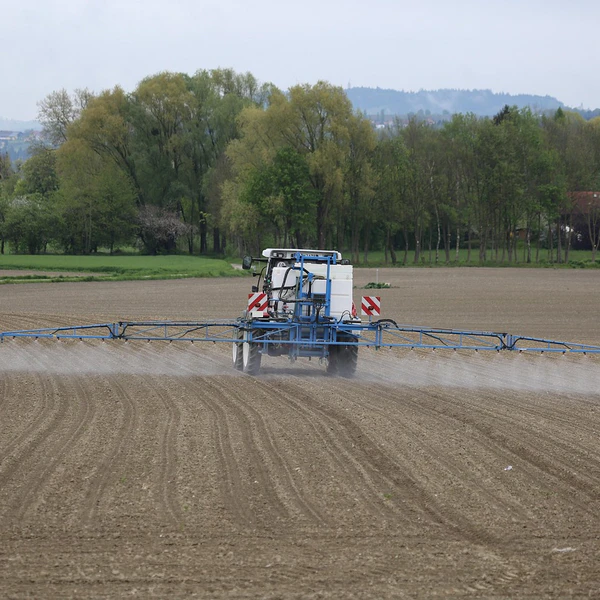
Washing can lower dirt, germs, and some surface residues. It will not remove every pesticide, especially if a chemical moved into the plant tissue.
What Prep Can Add
Peeling apples, pears, peaches, or potatoes may lower some residue on the outer layer, though it also removes some of the edible part. Cooking and discarding boiling water may also help in some cases, but it is not a full fix.
Soft berries and greens need gentle washing because rough handling can damage them fast. A cool rinse just before use often works best.
Produce with thick outer layers, such as avocados, bananas, onions, and pineapple, already starts with a natural barrier.
Why Exposure Still Counts
The American Academy of Pediatrics says pesticides are common in food and the environment, that children are widely exposed, and that early life exposure to some pesticides has been linked with harms.
The group also says choosing organic when possible can decrease exposure, and it advises washing all fruits and vegetables under running water (AAP, 2024).
A 2015 intervention study in children found that an organic diet phase lowered some urinary pesticide metabolite levels compared with a conventional diet phase (Bradman et al., 2015). It shows that diet choices can change exposure levels in the body.
Before changing your diet, supplements, or health routine, talk with a licensed healthcare professional. For any health concerns or questions about a medical condition, get guidance from a physician or another appropriately trained clinician.
Suggested Posts


Research
Environmental Working Group (2026) EWG’s Shopper’s Guide to Pesticides in Produce: Summary. Available at: https://www.ewg.org/
Environmental Working Group (2026) EWG’s 2026 Shopper’s Guide to Pesticides in Produce Finds Widespread Pesticide Contamination. Available at: https://www.ewg.org/
Environmental Working Group (2026) The Dirty Dozen. Available at: https://www.ewg.org/
Environmental Working Group (2025) EWG’s Shopper’s Guide to Pesticides in Produce Methodology. Available at: https://www.ewg.org/
Environmental Working Group (2025) Learn About the Methodology Behind EWG’s Shopper’s Guide to Pesticides in Produce. Available at: https://www.ewg.org/
Winter, C.K. and Katz, J.M. (2011) ‘Dietary exposure to pesticide residues from commodities alleged to contain the highest contamination levels’, Journal of Toxicology, 2011, Article ID 589674. Available at: https://pubmed.ncbi.nlm.nih.gov/
U.S. Department of Agriculture (2026) USDA Publishes 2024 Pesticide Data Program Annual Summary. Available at: https://www.ams.usda.gov/
U.S. Food and Drug Administration (2024) Selecting and Serving Produce Safely. Available at: https://www.fda.gov/
U.S. Food and Drug Administration (2021) 7 Tips for Cleaning Fruits, Vegetables. Available at: https://www.fda.gov/
American Academy of Pediatrics (2024) Pesticide Exposure. Available at: https://www.aap.org/
Bradman, A., Quirós-Alcalá, L., Castorina, R., Aguilar Schall, R., Camacho, J., Holland, N.T., Barr, D.B. and Eskenazi, B. (2015) ‘Effect of organic diet intervention on pesticide exposures in young children living in low-income urban and agricultural communities’, Environmental Health Perspectives, 123(10), pp. 1086 to 1093. Available at: https://pmc.ncbi.nlm.nih.gov/