Key Takeaways
- Muscle repair depends on training dose, sleep, food quality, minerals and enough rest.
- Soreness can be normal after new training, while sharp pain needs proper assessment.
- Whole animal foods provide complete protein, fats and minerals for tissue repair.
- Cold water, massage, foam rolling and compression can reduce soreness for some people.
- Poor sleep, constant hard training and ultra processed foods can slow recovery.
Muscle Repair
Muscle Stress
Recovery after exercise begins with the stress created during the session. Lifting, sprinting, jumping and long endurance work all disturb muscle tissue, connective tissue, fluid balance and the nervous system.
A useful session gives the body a strong enough signal to adapt, then leaves enough room for repair to happen.
Recovery has been described in sport science as the return of physical and mental function after training strain (1).
Hard exercise can create small amounts of muscle damage, especially when the movement is new or the lowering phase is slow.
The body then clears damaged proteins, restores normal cell function and builds new tissue. This repair uses amino acids, oxygen, minerals and energy.
Muscle growth is not the workout itself, but the response that follows the workout.
Soreness Signals
Delayed soreness usually appears hours after training and can last several days. It often follows downhill running, deep squats, hard lunges or higher volume than the body expects.
A dull ache across the trained muscle is usually different from a sharp pain near a joint. Swelling, bruising, weakness after a pop or pain that changes walking deserves qualified care.
Soreness is not a clean measure of progress. Many good sessions leave little soreness, while poorly judged sessions can make normal movement miserable.
Reviews of recovery methods show that some tools may reduce soreness and perceived fatigue, yet results differ by study and setting (2).
Less soreness can feel helpful, but pain relief does not always prove full tissue readiness.
The nervous system can also stay tired after the muscle ache fades. Heavy lifting and repeated high intensity work can reduce coordination, speed and force output.
A person may feel eager to train again while warmup sets still move slowly. Performance returning to baseline is often a better sign than soreness disappearing.
Adaptation
Adaptation is the useful change after training and repair. Muscle protein synthesis rises after resistance exercise, and protein feeding supplies amino acids needed for new tissue.
Human research shows that protein taken after resistance type exercise can further increase signaling linked with muscle building (3).
Whole traditional foods give more than isolated amino acids. Meat, eggs, fish, raw dairy where tolerated and organ meats provide complete protein with minerals, retinol and natural fats.
These foods are usually more nutrient dense than powders, bars or fortified cereal products. Muscle repair is easier to support when meals are based on real food rather than industrial substitutes.
Food & Minerals
Protein First
Protein needs rise when training is hard, especially during strength work, injury recovery or a return after time away. Animal protein gives all essential amino acids in highly available form.
Collagen rich cuts, eggs, fish and red meat also provide nutrients connected with connective tissue, blood and cellular energy. The body can only repair well when it receives enough material.
Chocolate milk has been studied as a recovery drink, mostly because it combines carbohydrate, protein, fluid and minerals.
A meta analysis found possible benefits for some recovery outcomes when compared with placebo or carbohydrate only drinks, though the evidence was not strong for every endpoint (4).
Glycogen Context
Glycogen is stored carbohydrate in muscle and liver. It becomes more relevant when a person trains for a long time, competes repeatedly or does two hard sessions close together.
Research on short recovery windows suggests that adding protein to carbohydrate can support glycogen resynthesis when carbohydrate intake is not already high (5).
Many everyday lifters do not need constant carbohydrate feeding after every session. A person training once daily or several times weekly can usually recover with enough total food, sleep and rest.
Higher fat animal based meals can still support strength training when energy intake is adequate. Carbohydrate becomes a tool for specific demands rather than a rule for everyone.
Ultra processed recovery foods are a weak trade. Fortified bars, refined grains, seed oils and sweetened drinks can crowd out better nutrition.
Fortification often adds isolated nutrients to poor food, then presents the product as helpful. Muscle tissue does not need that kind of industrial bargain.
Mineral Balance
Muscle contraction and relaxation depend on minerals. Sodium, potassium, magnesium and calcium all help control nerve signals, fluid movement and muscle function.
Magnesium also supports many reactions tied to energy production. Hard training, heavy sweating, poor sleep and stress can all increase the need for mineral rich food and fluids.
Copper deserves more attention than it usually receives. Copper is involved in mitochondrial energy production and iron handling, which links it to oxygen use and repair capacity.
Retinol from animal foods supports copper biology through ceruloplasmin, a copper carrying protein that helps regulate iron.
Liver, oysters and cod liver oil can fit this wider nutrient picture better than synthetic nutrient stacks.
Hydration is more than drinking large amounts of plain water. A salty meal, mineral rich broth or electrolytes can help when sweat losses are high.
Cramps, headaches and heavy fatigue may reflect fluid and mineral strain, not only poor conditioning. Overdoing plain water can leave a person feeling worse if sodium needs are ignored.
Muscle Gain Needs Recovery
Muscle gain needs enough protein, hard sets, rest and sleep.
Sleep & Recovery
Sleep Depth
Sleep is one of the strongest recovery tools because it affects hormone rhythms, immune function, learning and tissue repair.
Reviews on athletes suggest that sleep extension and sleep hygiene can improve performance and recovery related outcomes, though study quality and methods vary (6).
A tired athlete often looks like an under trained athlete from the outside. The real issue may be that repair time is too short.
One poor night does not erase training progress. Repeated short sleep is different. It can raise perceived effort, lower coordination and make normal soreness feel worse.
Good recovery usually shows up as steadier mood, better appetite control, stronger warmups and less need for stimulants.
Daily Rhythm
Muscle repair follows the whole day, not only the hour after training. Morning light, regular meals, lower evening light and a steady sleep schedule can help the body keep a clear rhythm.
Late caffeine, late heavy training and scrolling in bright light can push sleep later. The next day then starts with lower readiness before the session even begins.
Rest days should not feel like punishment. Walking, sunlight, mobility work and easy chores can increase blood flow without adding another hard training load.
Some people recover well from easy movement after hard training, while others need true rest. The right choice is the one that brings strength, energy and mood back up.
Better vs Worse
| Better | Worse |
|---|---|
| Progressive overload | Random workouts |
| Enough protein | Low protein |
| Rest days | Training through pain |
| Good sleep | Poor sleep |
Recovery Tools
Cold Water
Cold water immersion can reduce soreness and help some people feel ready sooner after hard exercise.
Meta analysis work suggests benefits for certain recovery outcomes after strenuous exercise, especially compared with passive recovery (7).
This can be useful during competitions, tournaments or weeks with repeated endurance work. The benefit is strongest when quick readiness is the main goal.
Cold exposure is less clear after muscle building sessions. Blunting soreness right after lifting may not always support the full adaptation signal.
Massage & Rolling
Massage can reduce delayed soreness and perceived fatigue for some people. A meta analysis found that massage had a favorable effect on delayed soreness after strenuous exercise (8).
The effect is often felt more in comfort than in major performance change. This can still be valuable when soreness interferes with sleep or normal movement.
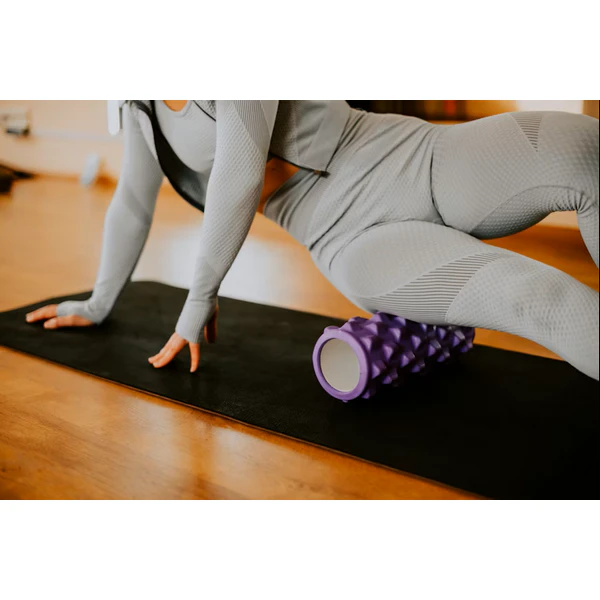
Foam rolling has similar limits. It can improve range of motion and may reduce soreness without needing a clinic visit.
A meta analysis found small effects for performance and recovery outcomes, with the strongest use case often being short term relief (9). Rolling should feel tolerable rather than brutal.
Compression garments may help some soreness and recovery markers after muscle damage. The evidence is mixed, and the effects are usually not dramatic.
They may be more useful for travel, long events or athletes who like the feeling of support. They should not replace sleep, food or better training decisions.
Training Dose
The most overlooked recovery tool is adjusting the training dose. Sets, load, speed, range of motion and frequency all change the recovery cost.
You can often keep training by lowering volume or intensity instead of quitting completely. Smart changes preserve skill while giving tissue time to catch up.
Falling performance across several sessions, poor sleep, unusual irritability, lingering joint pain and loss of appetite can show that the body is not keeping pace.
Adding more intensity to prove discipline usually deepens the hole. Better repair often starts by removing the extra stressor.
Food choices also affect the training the body can handle. Whole animal foods, natural fats, mineral rich fluids and enough total energy give the body resources to repair.
Seed oils, fortified flour products, alcohol and low nutrient snacks add load without giving much back. Recovery after exercise is built from the whole day.
For any health concerns or questions about a medical condition, get guidance from a physician or another appropriately trained clinician. Before changing your diet, supplements or health routine, talk with a licensed healthcare professional.
Suggested Posts

Research
Kellmann, M. et al. (2018) ‘Recovery and Performance in Sport: Consensus Statement’, International Journal of Sports Physiology and Performance. doi: 10.1123/ijspp.2017-0759.
Dupuy, O. et al. (2018) ‘An Evidence-Based Approach for Choosing Post-exercise Recovery Techniques to Reduce Markers of Muscle Damage, Soreness, Fatigue, and Inflammation: A Systematic Review With Meta-Analysis’, Frontiers in Physiology. doi: 10.3389/fphys.2018.00403. PMID: 29755363.
Koopman, R. et al. (2007) ‘Protein ingestion further augments S6K1 phosphorylation in skeletal muscle following resistance type exercise in males’, Journal of Nutrition. doi: 10.1093/jn/137.8.1880. PMID: 17634259.
Amiri, M. et al. (2019) ‘Chocolate milk for recovery from exercise: a systematic review and meta-analysis of controlled clinical trials’, European Journal of Clinical Nutrition. doi: 10.1038/s41430-018-0187-x. PMID: 29921963.
Craven, J. et al. (2021) ‘The Effect of Consuming Carbohydrate With and Without Protein on the Rate of Muscle Glycogen Re-synthesis During Short-Term Post-exercise Recovery: a Systematic Review and Meta-analysis’, Sports Medicine – Open. doi: 10.1186/s40798-020-00297-0. PMID: 33507402.
Bonnar, D. et al. (2018) ‘Sleep Interventions Designed to Improve Athletic Performance and Recovery: A Systematic Review of Current Approaches’, Sports Medicine. doi: 10.1007/s40279-017-0832-x. PMID: 29352373.
Moore, E. et al. (2023) ‘Effects of Cold-Water Immersion Compared with Other Recovery Modalities on Athletic Performance Following Acute Strenuous Exercise in Physically Active Participants: A Systematic Review, Meta-Analysis, and Meta-Regression’, Sports Medicine. doi: 10.1007/s40279-022-01800-1. PMID: 36527593.
Guo, J. et al. (2017) ‘Massage Alleviates Delayed Onset Muscle Soreness after Strenuous Exercise: A Systematic Review and Meta-Analysis’, Frontiers in Physiology. doi: 10.3389/fphys.2017.00747. PMID: 29021762.
Wiewelhove, T. et al. (2019) ‘A Meta-Analysis of the Effects of Foam Rolling on Performance and Recovery’, Frontiers in Physiology. doi: 10.3389/fphys.2019.00376. PMID: 31024339.
Li, S. et al. (2024) ‘Effectiveness of Recovery Strategies After Training and Competition in Endurance Athletes: An Umbrella Review’, Sports Medicine – Open. doi: 10.1186/s40798-024-00724-6. PMID: 38753045.
Xiao, F. et al. (2023) ‘Effects of cold water immersion after exercise on fatigue recovery and exercise performance: meta analysis’, Frontiers in Physiology. doi: 10.3389/fphys.2023.1006512. PMID: 36744038.
Choo, H.C. et al. (2022) ‘The effect of cold water immersion on the recovery of physical performance revisited: a systematic review with meta-analysis’, Journal of Sports Sciences. doi: 10.1080/02640414.2023.2178872. PMID: 36862831.
McCartney, D. et al. (2018) ‘Post-exercise Ingestion of Carbohydrate, Protein and Water: A Systematic Review and Meta-analysis for Effects on Subsequent Athletic Performance’, Sports Medicine. doi: 10.1007/s40279-017-0800-5. PMID: 29098657.
Cunha, L.A. et al. (2023) ‘The Impact of Sleep Interventions on Athletic Performance: A Systematic Review’, Sports Medicine – Open. doi: 10.1186/s40798-023-00599-z. PMID: 37462808.
Hill, J. et al. (2014) ‘Compression garments and recovery from exercise-induced muscle damage: a meta-analysis’, British Journal of Sports Medicine. PMID: 23757486.
Marqués-Jiménez, D. et al. (2016) ‘Are compression garments effective for the recovery of exercise-induced muscle damage? A systematic review with meta-analysis’, Physiology & Behavior. doi: 10.1016/j.physbeh.2015.10.027. PMID: 26522739.
Poppendieck, W. et al. (2016) ‘Massage and Performance Recovery: A Meta-Analytical Review’, Sports Medicine. doi: 10.1007/s40279-015-0420-x. PMID: 26744335.
Davis, H.L. et al. (2020) ‘Effect of sports massage on performance and recovery: a systematic review and meta-analysis’, BMJ Open Sport & Exercise Medicine. doi: 10.1136/bmjsem-2019-000614.
Skinner, B. et al. (2020) ‘A systematic review and meta-analysis of the effects of foam rolling on range of motion, recovery and markers of athletic performance’, Journal of Bodywork and Movement Therapies. doi: 10.1016/j.jbmt.2020.01.007. PMID: 32825976.
Ivy, J.L. et al. (2002) ‘Early postexercise muscle glycogen recovery is enhanced with a carbohydrate-protein supplement’, Journal of Applied Physiology. doi: 10.1152/japplphysiol.00394.2002. PMID: 12235033.
Roberts, L.A. et al. (2014) ‘Cold water immersion enhances recovery of submaximal muscle function after resistance exercise’, American Journal of Physiology-Regulatory, Integrative and Comparative Physiology. doi: 10.1152/ajpregu.00180.2014. PMID: 25121612.
Howarth, K.R. et al. (2009) ‘Coingestion of protein with carbohydrate during recovery from endurance exercise stimulates skeletal muscle protein synthesis in humans’, Journal of Applied Physiology. doi: 10.1152/japplphysiol.90333.2008. PMID: 19036894.
Pearcey, G.E.P. et al. (2015) ‘Foam rolling for delayed-onset muscle soreness and recovery of dynamic performance measures’, Journal of Athletic Training. doi: 10.4085/1062-6050-50.1.01. PMID: 25415413.
Fullagar, H.H.K. et al. (2015) ‘Sleep and Athletic Performance: The Effects of Sleep Loss on Exercise Performance, and Physiological and Cognitive Responses to Exercise’, Sports Medicine. doi: 10.1007/s40279-014-0260-0. PMID: 25315456.