Magnesium Benefits for Modern Life, Stress, Sleep & Cellular Energy

Key Takeaways Magnesium & Cellular Energy ATP & Energy Use Every cell runs on ATP. ATP stands for adenosine triphosphate. This molecule carries energy that powers cell work. Magnesium binds to ATP and makes it active inside the cell. Without it, ATP cannot perform its normal energy function (de Baaij et al., 2015). For this … Read more

11 Trace Minerals Benefits That Support Whole Body Health

trace minerals

Key Takeaways Trace minerals are minerals the body needs in tiny amounts. Tiny does not mean small value. These nutrients help cells work, carry oxygen, heal cuts, build thyroid hormones, and protect tissues from damage. The body cannot make trace minerals on its own. Food has to bring them in day after day. When intake … Read more

Copper Health Benefits For Everyday Wellness

Key Takeaways Copper In Daily Health Energy Copper helps the body make usable energy from food at the cell level. That link reaches into ordinary daily life because every tissue depends on steady fuel for movement repair warmth and clear thinking. Copper supports enzymes inside mitochondria, the small parts of cells that turn food into … Read more

Ketogenic Diet Benefits: What Science Says

keto

Key Takeaways What Keto Does Core Plan A ketogenic diet cuts carbohydrate intake very low and raises fat intake enough to shift the body toward ketone production. Ketones are small fuel molecules made by the liver when glucose, a blood sugar, becomes scarce (Dhillon and Gupta, 2023). Most versions keep daily carbs low enough to … Read more

Book Review: The Hate U Give By Angie Thomas

the hate u give

Key Takeaways Angie Thomas delivers a novel that feels urgent, humane, and deeply rooted in the struggle to speak truth under pressure. The Hate U Give is widely understood as young adult fiction, yet its themes reach well beyond one age group through questions of justice, loyalty and the cost of silence. The title alone … Read more

Real Superfoods vs So Called Health Foods

superfoods

Key Takeaways Real superfoods are not rare powders or costly snack bags. Real superfoods are simple foods that give a lot of usable nutrition in a small amount. Most of the time, those foods come from animals, not plants. Many famous plant superfoods come with a hidden price. Some can upset the gut. Some can … Read more

Proteolytic Enzymes & Heart Health: What the Research Shows

Key Takeaways Blood needs to flow with ease. The body makes clots to stop bleeding, then clears them when the job is done. This clean up step helps keep blood moving through small and large vessels. A group of enzymes may help with that process. These include nattokinase, serrapeptase, lumbrokinase, and bromelain. Each one works … Read more

Homocysteine & Human Health: What Research Reveals

homocysteine

Key Takeaways Homocysteine is a natural amino acid byproduct made in the body. It forms when methionine, an amino acid from food, is used for daily cell work. The body usually recycles homocysteine or breaks it down with help from key nutrients. When that process slows down, blood homocysteine can rise. Research has linked high … Read more

Natural vs Synthetic Nutrients: Hidden Long Term Risks

Key Takeaways Core Chemistry Same Molecule Basics A natural nutrient and a lab made nutrient can share the same basic chemical shape. In that narrow sense, the molecule can bind to the same enzyme or transporter in the body. Many synthetic products can raise blood levels of a given nutrient. Still, human health does not … Read more

Advanced Glycation End Products & Chronic Disease

Key Takeaways What Are AGEs Basic Idea Advanced glycation end products, often called AGEs, are compounds that form when sugars bind to protein or fat and then change shape over time. This process is called glycation. It can happen inside the body, and it can also happen during cooking. AGEs build faster when heat is … Read more

Glycation: How Sugar Stiffens Arteries

Key Takeaways Glycation is one of the quiet ways sugar changes your body over time. It can make the fibers in your artery walls less springy, even before you feel anything wrong. Glycation Process Sugar Sticks Glycation is a non enzymatic reaction. That means sugar can attach to proteins without your body choosing it. The … Read more

TMAO Red Meat & Heart Health

Key Takeaways Trimethylamine N-oxide Name & Path Trimethylamine N-oxide is a small compound found in blood and urine. The body can make it after gut microbes break down parts of food such as choline, carnitine, and betaine. The liver then turns that first byproduct into TMAO through a second step ((Mueller et al., 2015); (Tang … Read more

Resting Energy Expenditure: Measuring It Right & Using It Wisely

Key Takeaways What REE Means Resting Burn Resting energy expenditure is the energy your body uses to stay alive at rest. It covers basic work such as breathing, blood flow, temperature control, and cell repair. For most adults, this is the biggest share of daily energy use (Nichols et al., 2021). A lot of people … Read more

Is Red Meat Bad For Your Heart In Everyday Meals

Key Takeaways Beef & Human Nutrition Nutrient Dense Food Beef gives dense, easy to use nutrition in a small amount of food. It brings complete protein, heme iron, zinc, selenium, B12, creatine, carnitine, and fat that helps with fullness after a meal. That makes beef a strong fit for people who want fewer meals, steadier … Read more

Remnant Cholesterol Explained Beyond LDL And Triglycerides

remnant cholesterol

Key Takeaways What Is Remnant Cholesterol Cholesterol In Leftover Carriers Remnant cholesterol is not a new type of cholesterol. It is the cholesterol sitting inside leftover fat carrying particles after much of their triglyceride load has been stripped away. Blood uses lipoproteins to move fat, because fat does not mix with water. Two lipoproteins feed … Read more

Boost GLP 1 Naturally With Simple Gut Healthy Steps

Key Takeaways GLP 1 Basics Role In Appetite GLP 1 is a gut hormone, which means it is a signal made in the gut. It rises after eating and helps slow stomach emptying, reduce hunger, and support a steadier rise in blood sugar. That is why people often search for natural ways to increase GLP … Read more

Arteriosclerosis vs Atherosclerosis: Main Differences

Key Takeaways Basic Meaning People often use these two words as if they mean the same thing. That mix-up is common, but the terms describe different changes in the arteries. Arteriosclerosis is the broad term. It means the arteries become thicker, less elastic, and more stiff over time. That change can happen with age, high … Read more

Weight Loss Tips Plus Natural Support For Better Results

Key Takeaways Sleep & Recovery Sleep & Appetite Weight loss tips that actually work often start at night, not in the gym. Short sleep tends to raise the risk of future weight gain in adults, and that link shows up again and again in large reviews (Bacaro et al., 2020; Wu, Zhai and Zhang, 2014). … Read more

Atherosclerosis Prevention Strategies: Insights From Scientific Research

atherosclerosis

Key Takeaways Atherosclerosis is a slow disease of the artery wall. It does not start from one cause alone. It grows from repeated injury, immune activity, poor blood sugar control, smoking, high blood pressure, and other stress that build up over many years. The body makes cholesterol because it is vital for cell walls, bile … Read more

Intermittent Fasting Benefits & Safe Daily Tips

Key Takeaways Intermittent Fasting Basics Fasting Windows Intermittent fasting means eating during a set window and not eating the rest of the day. A common start is 12 hours without food, then 14, then 16 if that feels easy. This can help lower mindless snacking and make meal timing more clear. It can also give … Read more

How To Lower Triglycerides Fast

Key Takeaways Cut The Main Drivers Cut Sugar First A fast drop in triglycerides often starts with less sugar. The liver can turn extra carbohydrate into triglycerides, especially when meals lean on sweet drinks, desserts, bread, pasta, cereal, and snack foods. Controlled feeding work found that high carbohydrate intake can raise triglyceride production in the … Read more

What Damages Blood Vessels And How To Prevent It

Key Takeaways The Vessel Lining Endothelium Basics The endothelium is the thin layer of cells that lines the inside of arteries, veins, and tiny blood vessels. This layer helps control blood flow, keeps blood from clotting too easily, and helps the vessel wall stay smooth and calm. When this lining works well, blood moves with … Read more

Triglycerides: Levels & Range Explained

Key Takeaways What Are Triglycerides Fuel In The Blood Triglycerides are a type of fat the body stores for energy, then uses later when food is not coming in. They are made from three fatty acids joined to a glycerol backbone, which is a small structure that holds them together. Blood is water based, so … Read more

Heart Health Tips For Daily Energy And Wellness

Key Takeaways Heart Work Busy Cell Design The heart never gets a true rest period, because it keeps beating through sleep, work, worry, meals, heat, and movement. Most muscles stop and start through the day, but the heart keeps working without pause from birth to death. That nonstop workload helps explain why small strains can … Read more

Ghrelin Hormone Guide: Hunger, Sleep and Stress

Key Takeaways Ghrelin is one of the main signals that can make hunger feel urgent. It is not a moral issue or a willpower issue. It is biology, and it responds to sleep, stress, and how much food is coming in. Hunger Signal Basics Stomach To Brain Ghrelin is made mostly in the stomach and … Read more

Why Continuous Glucose Monitors Are Gaining Popularity

Key Takeaways What CGMs Show Device Basics A continuous glucose monitor, or CGM, is a small sensor worn on the skin. It checks glucose in the fluid under the skin every few minutes and sends those readings to a phone or reader. Continuous glucose monitors can help you spot high blood sugar spikes after meals … Read more
Natural Appetite Suppressants

Key Takeaways Appetite suppression works best when the body feels safe, fed, and steady. The most reliable path is not a pill. It is a meal pattern that stops blood sugar swings, raises satiety hormones, and lowers stress eating. How to Quiet Hunger Protein A person who wants less hunger needs enough protein at meals. … Read more
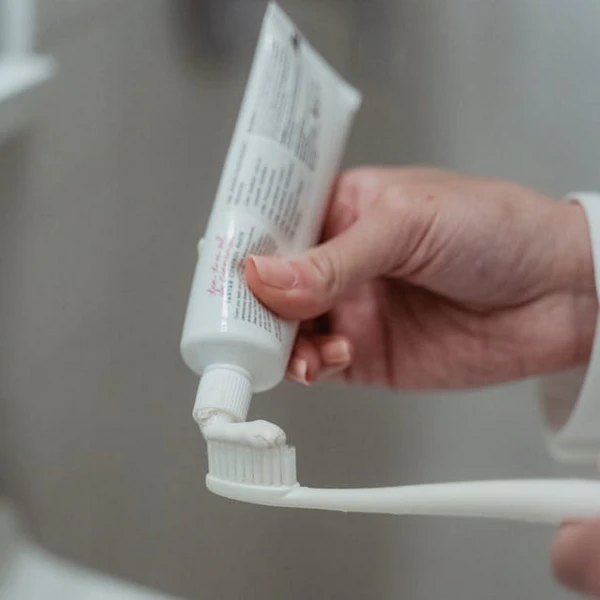
EWG Dirty Dozen 2026 Guide

Key Takeaways What The List Shows Dirty Dozen Basics The Environmental Working Group, or EWG, updates its Dirty Dozen list each year. The 2026 guide ranks 12 fruits and vegetables with the highest pesticide concerns in EWG’s review of U.S. produce testing data. This year’s list is spinach, kale collard mustard greens, strawberries, grapes, nectarines, … Read more
Fat Burning Hormones That May Slow or Boost Results

Key Takeaways Fat Burning Basics Body fat does not melt away because of one magic hormone. Weight change comes from the mix of food intake, daily movement, sleep, stress, and many body signals working at once. Hormones help decide when energy gets stored, when it gets released, and how strong hunger feels during the day. … Read more

Basal Metabolic Rate: Factors That Control Your Metabolism

basal metabolic rate

Key Takeaways Basal Metabolic Rate is the energy your body uses to stay alive at complete rest. It powers breathing, circulation, brain activity, and temperature control. It does not include walking, training, or digestion. If this baseline drops, fat loss becomes harder and you may feel cold or tired. If it is supported, energy stays … Read more

Is Sugar Actually Bad for You? Facts About Health Effects

sugar

Key Takeaways What Sugar Means Added Sugar Sugar is a fast-burning carbohydrate found in fruit, milk, honey, table sugar, desserts, sweet drinks, and many packaged foods. The main health problem in modern diets is added sugar that shows up all day in soda, sweet coffee, fruit drinks, sports drinks, yogurt, cereal, sauces, and snack foods. … Read more

Quit Sugar For 14 Days: Real Changes In Two Weeks

sugar

Key Takeaways What Counts As Sugar For a 14 day break, the clearest target is added sugar. That means sugar put into soda, juice drinks, candy, pastries, sweet yogurt, breakfast bars, sauces, and many packaged snacks. A person may still eat whole foods such as eggs, meat, fish, plain dairy, and fruit, but the main … Read more

How Insulin Regulates Blood Sugar

insulin

Key Takeaways Insulin Release Beta Cells Insulin keeps blood sugar within a safe range across the day. It is made by beta cells in the pancreas, which is a gland behind the stomach. These cells sense rising glucose in the blood, then release insulin into the bloodstream so other tissues can respond (Röder et al., … Read more

Book Review: Don’t Believe Everything You Think By Joseph Nguyen

Key Takeaways “Don’t Believe Everything You Think” by Joseph Nguyen offers a profound exploration of how our thoughts shape our experiences and how changing our thinking can lead to a more fulfilling life. Nguyen explores the intricate workings of our minds, focusing on cognitive distortions that often lead to unnecessary stress and unhappiness. He presents … Read more


Metabolic Syndrome: Managing This Health Risk

Key Takeaways Metabolic syndrome describes a pattern of health signals that rise together. These signals include waist size, blood sugar, blood fats, and blood pressure. The pattern often traces back to insulin resistance, a state where cells stop responding well to insulin. Food choices, daily habits, and body fat distribution all affect these markers. Many … Read more
Boost Insulin Sensitivity Naturally

Key Takeaways Insulin sensitivity describes how well the body’s cells respond to insulin. Insulin moves glucose from the blood into cells so it can be used for energy. When cells stop responding well, blood sugar rises. Food choices, movement, sleep, and mineral balance all affect this process. Several lifestyle changes can support better insulin sensitivity … Read more

Insulin Resistance: What It Is & How to Manage It

Key Takeaways The Basics Insulin is a hormone from the pancreas that helps move glucose from blood into muscle and fat cells, and it also guides the liver on how much glucose to make. Think of insulin as a traffic officer that directs glucose to the right place. When everything is working, your blood sugar … Read more

Book Review: Born A Crime By Trevor Noah

Key Takeaways Introduction “Born a Crime” is an autobiographical comedy book by Trevor Noah, the renowned comedian and host of “The Daily Show.” The book recounts his experiences growing up in apartheid and post-apartheid South Africa. With wit and humor, Noah navigates the complexities of his biracial identity and the struggles his family faced under … Read more

Book Review: Generations By Jean M. Twenge

Key Takeaways Generations by Jean M. Twenge, Ph.D., presents a comprehensive and data-driven exploration of the six generations currently living in the United States. Twenge, a professor of psychology, uses extensive survey data to illustrate how technology, more than major historical events, shapes the unique characteristics of each generation. Summary Twenge’s book explores the distinct … Read more

Cholesterol Misconceptions: Separating Fact from Fiction

Key Takeaways Cholesterol Basics Cholesterol often gets blamed for heart disease. Yet the body depends on it every day. Every cell uses cholesterol to stay strong and flexible. Cholesterol also helps produce key hormones and bile for digestion. Cholesterol is a wax-like fat found in every cell. It supports many basic functions. The brain contains … Read more

Inflammation: Causes & Effects

inflammation

Key Takeaways What Inflammation Does Inflammation is part of the body’s defense system. It starts when tissue is hurt or when microbes enter the body. The immune system sends signals and immune cells to the area to contain the threat and begin repair. This process is helpful when it is brief. Problems start when the … Read more

Oxidative Stress: Causes, Effects, Solutions

Key Takeaways Oxidative Stress Basics Oxidative stress describes a state where harmful molecules build up faster than the body can control them. These molecules are called free radicals. They form during normal metabolism, but too many can damage cells. The body has its own repair and defense systems. Problems begin when stress, toxins, or poor … Read more