Key Takeaways
- 5 HTP can raise serotonin, which may affect mood, sleep, appetite and gut function.
- Mood evidence is limited because many studies are small, old or weak.
- Nausea, diarrhea, sleepiness and vivid dreams are common problems with 5 HTP.
- Serotonin syndrome is the main danger when 5 HTP is mixed with certain drugs.
- Safer use depends on dose, product quality, health history and drug use.
5 HTP Basics
Serotonin Pathway
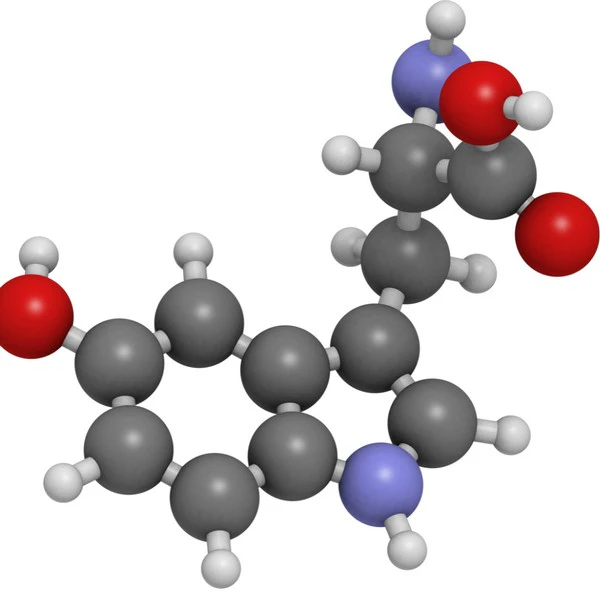
5 HTP is short for 5 hydroxytryptophan. Your body makes it from tryptophan, which is an amino acid found in food.
5 HTP then turns into serotonin, a chemical signal used in mood, sleep, appetite, gut movement and pain signaling.
A review in Pharmacology & Therapeutics explains that 5 HTP can raise serotonin production because it sits one step before serotonin in the pathway (1).
Serotonin gets described as a mood chemical, but the real system is wider. Most serotonin sits outside the brain, especially in the gut and blood platelets.
Raising a serotonin precursor can affect digestion, nausea, sleep signals, blood vessel tone and drug reactions. Treat 5 HTP as an active compound, not as a casual wellness product.
Brain Access
5 HTP can cross into the brain more easily than serotonin itself. Once it enters tissues, enzymes can turn it into serotonin when the needed cofactors are present.
More 5 HTP can mean more serotonin activity in places where you may not want it raised. Your body uses serotonin for far more than calm mood.
It also affects gut contraction, platelet activity, body temperature, blood vessel tone and nervous system signaling.
Many supplement ads make the pathway sound automatic. The body is more complex than that.
A person with poor sleep, high stress, blood sugar swings, low protein intake or medication use may respond very differently from another person using the same dose.
Possible Benefits
Mood Support
Low mood is the most common reason people try 5 HTP. A Cochrane review found that tryptophan and 5 HTP appeared better than placebo for depression in a small group of trials.
The authors also warned that the evidence was too limited for strong claims because the studies were few and often low quality (2).
Depression can involve sleep loss, trauma, alcohol use, loneliness, thyroid problems, nutrient gaps, blood sugar swings and inflammation. Raising one serotonin precursor may miss the real driver.
Strong mood symptoms need proper care. Supplements can delay help when depression becomes serious.
Suicidal thoughts, severe anxiety, panic, mania or deep loss of function need urgent support from a trained clinician.
Sleep Support
5 HTP may affect sleep because serotonin can convert into melatonin, the dark signal your body uses at night.
Some people report easier sleep, heavier dreams or fewer night cravings. Those reports make sense from the pathway, but larger and stronger sleep trials are still limited.
Sleep may also get worse in some people. Vivid dreams, nightmares, morning grogginess, early waking or a wired feeling can happen.
A serotonin precursor does not guarantee deep sleep because light timing, caffeine, stress, alcohol, breathing, blood sugar and meal timing all shape sleep.
Morning sunlight helps set the body clock. Dark evenings help the brain read night correctly. Enough protein, animal fat, low sugar intake and mineral balance can also support a calmer night.
Appetite & Cravings
5 HTP has been studied for appetite because serotonin can affect fullness signals.
Older human trials found reduced calorie intake and weight loss in some people using 5 HTP, especially among people with obesity or diabetes.
These studies were small and short, so the results should stay limited in daily use decisions (3).
Refined carbs can drive hunger, quick relief and another crash. Low protein meals can leave the body searching for more food.
A real meal with meat, eggs, seafood and animal fat often works better than trying to force appetite down with a serotonin precursor.
Nausea can also reduce appetite. Feeling too sick to eat is not the same as steady fullness. Any appetite change should come with stable energy, clear thinking and normal digestion.
5 HTP Is Not A Basic Sleep Tool
5 HTP changes serotonin signaling and can be a poor fit with certain medicines.
Safety Risks
Common Side Effects
The most common problems come from serotonin activity in the gut and nervous system. Nausea, vomiting, diarrhea, stomach pain, heartburn, sleepiness, headache and vivid dreams can happen.
A safety review also discusses concern around eosinophilia myalgia syndrome, a rare disorder linked most clearly to contaminated tryptophan products (4).
Side effects can rise when the dose is high or increased too fast. Some people react strongly even at low amounts.
Stop and reassess if you feel shaky, sweaty, restless, confused, feverish or unusually agitated because those signs can point toward excess serotonin activity.
Supplements are not checked like prescription drugs before sale. Products can differ in dose, purity and unwanted compounds.
Independent testing helps, but it does not remove the basic risk from drug interactions.
Serotonin Syndrome
Serotonin syndrome can happen when serotonin activity gets too high.
Warning signs can include agitation, sweating, diarrhea, tremor, muscle twitching, fever, confusion, fast heart rate and high blood pressure. Severe cases can become a medical emergency (5).
The risk rises when 5 HTP is combined with drugs or supplements that raise serotonin.
A published case report described serotonin syndrome and severe muscle injury after a person combined sertraline with a 5 HTP supplement (6).
A single case does not measure the average risk, but it shows the danger can happen.
High concern combinations include SSRIs, SNRIs, MAO inhibitors, tricyclic antidepressants, migraine triptans, tramadol, linezolid, dextromethorphan, MDMA, St John’s wort, SAMe and tryptophan.
Do not stack serotonin raising products casually. The label can look mild while the combined chemistry becomes too strong.
EMS Concern
Eosinophilia myalgia syndrome became a major safety issue after contaminated tryptophan products caused a large outbreak in 1989.
The connection with 5 HTP is less clear, but researchers have found case linked contaminants in some 5 HTP products and published reports of EMS like illness after 5 HTP use (7).
EMS can involve severe muscle pain, skin changes, high eosinophils, nerve symptoms and lung problems.
It is rare, but it is serious enough to take product purity seriously. Avoid cheap products, mystery blends and brands that do not show credible testing.
Check vs Skip
| Check | Skip |
|---|---|
| Medication use | With antidepressants without advice |
| Mood history | High first dose |
| Dose | Ignoring agitation |
| Sleep response | Using to force sleep |
Drug Interaction Risks
Mood Drugs
5 HTP needs caution with mood drugs. SSRIs, SNRIs, MAO inhibitors and tricyclic antidepressants all affect serotonin in different ways.
Adding 5 HTP can push the same system from another direction, which can raise the chance of side effects or serotonin syndrome.
Serotonin changes may affect anxiety, sleep, libido, agitation or emotional flatness.
People with bipolar disorder need special caution because serotonin related changes can sometimes worsen instability.
Any serious mood condition needs clinician oversight before using a serotonin precursor.
Pain & Migraine Drugs
Some pain and migraine drugs also affect serotonin. Tramadol, certain triptans and some cough products with dextromethorphan can become risky when paired with 5 HTP.
The problem comes from the combined push on serotonin signaling.
People often miss this risk because cough syrup, pain pills and supplements feel like different categories.
The body adds up chemistry from all sources. Keep a full list of drugs, supplements and herbs before judging whether 5 HTP is safe.
Carbidopa Concern
Carbidopa can change how 5 HTP behaves in the body. Older reports describe scleroderma like illness in people treated with 5 HTP and carbidopa.
One New England Journal of Medicine case linked the combination with skin and connective tissue changes during treatment (8).
This mainly concerns people using carbidopa containing drugs, often in Parkinson’s care.
It is a clear example of why 5 HTP deserves caution. A supplement can become much more active when paired with the wrong medication.
5 HTP Safety Check
Safer Use Rules
Better First Steps
Before 5 HTP, review the basics that shape mood, cravings and sleep. Eat enough protein from dense foods such as meat, eggs and seafood.
Keep refined carbs low because sugar swings can feel like anxiety, cravings and low mood. Avoid alcohol when sleep or mood is the target.
Minerals also shape the nervous system. Magnesium supports calm nerve signaling and normal energy use.
If you use magnesium, choose forms such as magnesium glycinate, magnesium taurate, magnesium malate, magnesium threonate or magnesium chloride.
Use real food and light timing first. A serotonin precursor should not cover poor sleep habits, high caffeine, alcohol use, unstable meals or unmanaged stress.
Those daily inputs can keep the nervous system on edge even when a supplement gives short relief.
Careful Trial
A careful trial means one product at a time, low dose, clear reason and daily tracking.
Watch mood, sleep, dreams, bowel changes, sweating, tremor, heart rate and blood pressure. Stop if you feel worse, overly sleepy, agitated or physically strange.
Avoid 5 HTP during pregnancy, breastfeeding and childhood unless a qualified clinician gives direct guidance.
Avoid it before surgery unless your surgical team has reviewed it. Tell clinicians about 5 HTP use because it can affect serotonin risk and may confuse certain lab tests.
5 HTP may help some people with mood, sleep or cravings. The safety limits deserve more respect than the marketing gives them. Food, sleep, light, stress and mineral support should come first, while 5 HTP use should stay careful and clearly reasoned.
For any health concerns or questions about a medical condition, get guidance from a physician or another appropriately trained clinician. Before changing your diet, supplements or health routine, talk with a licensed healthcare professional.
Suggested Posts

Evidence Limits
Research
Turner, E.H., Loftis, J.M. and Blackwell, A.D., 2006. Serotonin a la carte: supplementation with the serotonin precursor 5-hydroxytryptophan. Pharmacology & Therapeutics. DOI 10.1016/j.pharmthera.2005.06.004. PMID 16023217
Shaw, K., Turner, J. and Del Mar, C., 2002. Tryptophan and 5-hydroxytryptophan for depression. Cochrane Database of Systematic Reviews. DOI 10.1002/14651858.CD003198. PMID 11687048
Cangiano, C. et al., 1998. Effects of oral 5-hydroxytryptophan on energy intake and macronutrient selection in non-insulin dependent diabetic patients. International Journal of Obesity and Related Metabolic Disorders. PMID 9721948
Das, Y.T., Bagchi, M., Bagchi, D. and Preuss, H.G., 2004. Safety of 5-hydroxy-L-tryptophan. Toxicology Letters. DOI 10.1016/j.toxlet.2003.12.070. PMID 15068828
Simon, L.V., Keenaghan, M. and Gray, A., 2024. Serotonin Syndrome. StatPearls. PMID 29493999
Patel, Y.A. et al., 2017. Dietary Supplement-Drug Interaction-Induced Serotonin Syndrome Progressing to Acute Compartment Syndrome. American Journal of Case Reports. DOI 10.12659/AJCR.904375. PMID 28794240
Michelson, D. et al., 1994. An eosinophilia-myalgia syndrome related disorder associated with exposure to L-5-hydroxytryptophan. Journal of Rheumatology. PMID 7699627
Sternberg, E.M. et al., 1980. Development of a scleroderma-like illness during therapy with L-5-hydroxytryptophan and carbidopa. New England Journal of Medicine. DOI 10.1056/NEJM198010023031405. PMID 6997735
Birdsall, T.C., 1998. 5-Hydroxytryptophan: a clinically effective serotonin precursor. Alternative Medicine Review. PMID 9727088
Klarskov, K. et al., 1999. Eosinophilia-myalgia syndrome case-associated contaminants in commercially available 5-hydroxytryptophan. Advances in Experimental Medicine and Biology. DOI 10.1007/978-1-4615-4709-9_57. PMID 10721089
Klarskov, K. et al., 2003. Structural characterization of a case-implicated contaminant, peak X, in commercial preparations of 5-hydroxytryptophan. Chemical Research in Toxicology. DOI 10.1021/tx020080h. PMID 12508395
Farinelli, S. et al., 1991. Eosinophilia-myalgia syndrome associated with 5-OH-tryptophan. Clinical and Experimental Rheumatology. PMID 1947402
Jangid, P. et al., 2013. Comparative study of efficacy of l-5-hydroxytryptophan and fluoxetine in patients presenting with first depressive episode. Asian Journal of Psychiatry. DOI 10.1016/j.ajp.2012.05.011. PMID 23083164
Maffei, M.E., 2021. 5-Hydroxytryptophan 5-HTP, natural occurrence, analysis, biosynthesis, biotechnology, physiology and toxicology. International Journal of Molecular Sciences. DOI 10.3390/ijms22010181. PMID 33383617