Key Takeaways
- Dementia means brain decline that starts affecting memory, speech, mood or daily life.
- Early signs often include forgetfulness, confusion, poor judgment, anxiety or changes in sleep.
- Blood sugar problems, poor blood flow, sleep loss and iron stress can raise risk.
- A steady daily routine can reduce confusion and make home life safer.
- Dementia care works best when family support, medical checks and food changes work together.
Symptoms
Early Brain Changes
Dementia usually starts with small changes that people may explain away as normal aging. You may notice
- missed bills,
- repeated questions,
- forgotten names,
- lost items,
- poor time sense
- trouble following a normal conversation.
Dementia means these changes begin to interfere with daily life, work, money, cooking, driving or basic self care (1, 2).
Mood & Behavior
Mood changes can show up before clear memory loss. A person may become anxious, suspicious, flat, angry or withdrawn. Some people lose interest in hobbies or avoid normal social contact because conversation feels harder. These changes can confuse family members because the person may still sound normal during short visits.
Sleep often changes as the brain struggles to keep normal rhythm. A person may nap often during the day and stay awake at night. Night confusion can become worse in unfamiliar rooms, after travel or during illness. Poor sleep can also make memory and mood worse the next day.
Behavior changes need calm handling because arguing usually makes confusion worse. Short clear sentences help more than long explanations. A quiet room, steady light and a familiar routine can lower stress. Sharp changes in behavior should be checked because infection, dehydration, pain or a new medicine can cause sudden confusion.
Causes
Brain Blood Flow
Dementia has several causes, and more than one cause can happen in the same person. Alzheimer disease is common, but blood vessel damage also has a major link with thinking decline. Small strokes, poor blood flow and injury to tiny brain vessels can slowly damage thinking, walking, balance and mood (3).
Brain blood flow depends on healthy vessels, steady pressure and good oxygen delivery. High blood pressure, smoking, diabetes and long term metabolic stress can strain the blood vessels that feed the brain. A person may not notice these changes at first because small vessel damage can build slowly before daily life changes.
Blood Sugar Stress
High blood sugar has a strong link with dementia risk. In one large study, higher glucose was linked with higher dementia risk even in people without diabetes. The brain uses a lot of energy, and poor glucose control can damage blood vessels, nerves and energy handling over time (4).
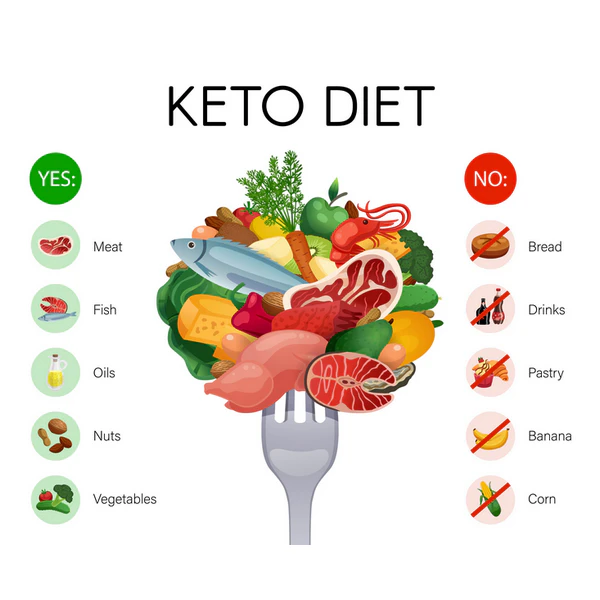
A low carb, high fat diet may support steadier blood sugar and give the brain another fuel through ketones. Early human trials in mild cognitive impairment are small, but they show enough signal to take brain energy seriously. Ketones may help when brain glucose use becomes weaker with age (5, 6).
Iron & Oxidative Stress
Iron can become a problem when it builds up in the wrong place. Brain iron changes have been reported in Alzheimer disease, vascular dementia and other forms of cognitive decline. Iron can drive oxidative stress when it is poorly controlled, and oxidative stress can injure cell membranes, mitochondria and brain tissue (7, 8).
Copper balance also belongs in the discussion because copper supports iron handling and energy enzymes. Poor copper status can make iron control weaker. Traditional foods such as liver, eggs, shellfish and butter can supply nutrients that modern low fat eating often lacks.
Sleep loss also raises risk. A large review found that sleep disturbance was linked with higher dementia risk. Poor sleep can affect blood sugar, stress hormones, brain cleaning systems and mood. Long term broken sleep deserves attention because the brain repairs itself during deep rest (9).
Risk does not come from one isolated cause in most people. Dementia usually grows from age, injury, genes, blood vessel strain, poor sleep, metabolic stress, toxin exposure and long term nutrient gaps. Family history can raise risk, but daily inputs still affect blood flow, blood sugar and brain energy.
Management
Food & Brain Energy
Food should support steady energy and lower blood sugar swings. A strong base uses grass fed ruminant meat, organs, pasture raised eggs, wild seafood, butter, ghee and tallow. These foods provide dense nutrition without the sugar load, seed oils or fortified grains that can strain blood sugar and iron balance.
Carbs should stay low when memory, blood sugar or insulin problems are present. Sugar, flour, cereal, pastries, sweet drinks and fortified grain foods can push glucose higher and make energy more unstable. A high fat, animal based diet can make food intake simpler for many families because meals become more filling and less snack driven.
Daily Routine
Dementia management needs a steady home rhythm. Keep wake time, light exposure, food time, bathing and sleep time as steady as possible. Use labels, simple notes and visible clocks only where they help. Remove loose rugs, unsafe tools and confusing clutter because small hazards can become major risks.
Support & Safety
Family Care
Caregivers need to watch for changes in food intake, sleep, walking, bathroom habits, mood and safety. A person with dementia may forget to drink, skip food, double dose supplements or leave appliances on. Written routines help family members share care without relying on memory.
Medical review still has value because some causes of confusion can be treatable. Thyroid problems, infection, dehydration, poor sleep, alcohol use, head injury and some drug effects can look like dementia or make dementia worse. Sudden decline should always be checked because slow dementia and sudden delirium are different problems.
A calm care plan should protect dignity. Speak to the person like an adult and keep choices simple. Offer two clear options instead of open ended questions. Use touch, eye contact and familiar cues when they help. Safety can be firm without shaming the person for symptoms they cannot control.
For any health concerns or questions about a medical condition, get guidance from a physician or another appropriately trained clinician. Before changing your diet, supplements or health routine, talk with a licensed healthcare professional.
FAQs
What Is Dementia?
Dementia means a decline in memory, thinking, speech, mood or daily function that becomes strong enough to affect normal life.
What Are Early Dementia Symptoms?
Early symptoms can include repeated questions, missed bills, lost items, poor judgment, mood changes, sleep changes or trouble following conversations.
Can Dementia Be Reversed?
Some causes of confusion can improve when the cause is found. True dementia often worsens over time, but good care can support function.
What Foods Support Brain Health?
Whole traditional foods are best. Meat, organs, eggs, seafood, butter and ghee give dense nutrients with low sugar load.
When Should Someone Get Checked?
A person should get checked when memory, mood, speech, judgment, sleep or daily tasks change enough to affect normal life.
Research
World Health Organization (2025) ‘Dementia’. Available at: https://www.who.int/news-room/fact-sheets/detail/dementia
National Institute on Aging (2022) ‘What Is Dementia? Symptoms, Types, and Diagnosis’. Available at: https://www.nia.nih.gov/health/alzheimers-and-dementia/what-dementia-symptoms-types-and-diagnosis
Gorelick, P.B., Scuteri, A., Black, S.E. et al. (2011) ‘Vascular Contributions to Cognitive Impairment and Dementia’, Stroke, 42(9), pp. 2672–2713. Available at: https://doi.org/10.1161/STR.0b013e3182299496
Crane, P.K., Walker, R., Hubbard, R.A. et al. (2013) ‘Glucose Levels and Risk of Dementia’, New England Journal of Medicine, 369(6), pp. 540–548. Available at: https://doi.org/10.1056/NEJMoa1215740
Krikorian, R., Shidler, M.D., Dangelo, K., Couch, S.C., Benoit, S.C. and Clegg, D.J. (2012) ‘Dietary ketosis enhances memory in mild cognitive impairment’, Neurobiology of Aging, 33(2), pp. 425.e19–425.e27. Available at: https://doi.org/10.1016/j.neurobiolaging.2010.10.006
Cunnane, S.C., Courchesne Loyer, A., St Pierre, V. et al. (2016) ‘Can ketones compensate for deteriorating brain glucose uptake during aging? Implications for the risk and treatment of Alzheimer’s disease’, Annals of the New York Academy of Sciences, 1367(1), pp. 12–20. Available at: https://doi.org/10.1111/nyas.12999
Moon, Y., Han, S.H. and Moon, W.J. (2016) ‘Patterns of Brain Iron Accumulation in Vascular Dementia and Alzheimer’s Dementia Using Quantitative Susceptibility Mapping Imaging’, Journal of Alzheimer’s Disease, 51(3), pp. 737–745. Available at: https://doi.org/10.3233/JAD-151037
Magaki, S., Raghavan, R., Mueller, C., Oberg, K.C., Vinters, H.V. and Kirsch, W.M. (2007) ‘Iron, copper, and iron regulatory protein 2 in Alzheimer’s disease and related dementias’, Neuroscience Letters, 418(1), pp. 72–76. Available at: https://doi.org/10.1016/j.neulet.2007.02.077
Shi, L., Chen, S.J., Ma, M.Y. et al. (2018) ‘Sleep disturbances increase the risk of dementia: A systematic review and meta-analysis’, Sleep Medicine Reviews, 40, pp. 4–16. Available at: https://pubmed.ncbi.nlm.nih.gov/28890168/
Grammatikopoulou, M.G., Goulis, D.G., Gkiouras, K. et al. (2020) ‘To Keto or Not to Keto? A Systematic Review of Randomized Controlled Trials Assessing the Effects of Ketogenic Therapy on Alzheimer Disease’, Advances in Nutrition, 11(6), pp. 1583–1602. Available at: https://doi.org/10.1093/advances/nmaa073
Bellou, V., Belbasis, L., Tzoulaki, I., Middleton, L.T., Ioannidis, J.P.A. and Evangelou, E. (2017) ‘Systematic evaluation of the associations between environmental risk factors and dementia: An umbrella review of systematic reviews and meta analyses’, Alzheimer’s & Dementia, 13(4), pp. 406–418. Available at: https://doi.org/10.1016/j.jalz.2016.07.152
Fiest, K.M., Jetté, N., Roberts, J.I. et al. (2016) ‘The prevalence and incidence of dementia: A systematic review and meta analysis’, Canadian Journal of Neurological Sciences, 43(S1), pp. S3–S50. Available at: https://doi.org/10.1017/cjn.2016.18
Prince, M., Bryce, R., Albanese, E., Wimo, A., Ribeiro, W. and Ferri, C.P. (2013) ‘The global prevalence of dementia: A systematic review and metaanalysis’, Alzheimer’s & Dementia, 9(1), pp. 63–75.e2. Available at: https://doi.org/10.1016/j.jalz.2012.11.007
Ohara, T., Doi, Y., Ninomiya, T. et al. (2011) ‘Glucose tolerance status and risk of dementia in the community’, Neurology, 77(12), pp. 1126–1134. Available at: https://doi.org/10.1212/WNL.0b013e31822f0435
Benn, M., Nordestgaard, B.G., Tybjærg Hansen, A. et al. (2020) ‘Impact of glucose on risk of dementia: Mendelian randomisation studies in 115,875 individuals’, Diabetologia, 63, pp. 1151–1161. Available at: https://doi.org/10.1007/s00125-020-05124-5
Atkins, J.L., Pilling, L.C., Heales, C.J. et al. (2021) ‘Hemochromatosis Mutations, Brain Iron Imaging, and Dementia in the UK Biobank Cohort’, Journal of Alzheimer’s Disease, 79(3), pp. 1203–1211. Available at: https://doi.org/10.3233/JAD-201080
Peloso, G.M., Beiser, A.S., Satizabal, C.L. et al. (2020) ‘Cardiovascular health, genetic risk, and risk of dementia in the Framingham Heart Study’, Neurology, 95(10), pp. e1341–e1350. Available at: https://doi.org/10.1212/WNL.0000000000010306
Davis, J.J., Fournakis, N. and Ellison, J. (2020) ‘Ketogenic Diet for the Treatment and Prevention of Dementia: A Review’, Journal of Geriatric Psychiatry and Neurology. Available at: https://doi.org/10.1177/0891988720901785
Cerasuolo, M., Di Meo, I., Auriemma, M.C. et al. (2023) ‘Iron and Ferroptosis More than a Suspect: Beyond the Most Common Mechanisms of Neurodegeneration for New Therapeutic Approaches to Cognitive Decline and Dementia’, International Journal of Molecular Sciences, 24(11), 9637. Available at: https://doi.org/10.3390/ijms24119637