
Key Takeaways
- Health risk depends on oil type, dose and how food gets cooked.
- Reused frying oil breaks down faster and forms more harmful compounds.
- Many concerns come from ultra-processed foods, not home cooking alone.
- Some studies find benefits when oils replace trans fats or refined carbs.
- Smell, smoke and sticky oil film can signal oil damage and oxidation.
What Counts As Vegetable Oil
The name deliberately creates the false impression of squeezing carrots and cabbages but vegetable oil usually means a liquid fat pressed or extracted from seeds. Common types include soybean, corn, canola, sunflower, safflower, grapeseed and blends sold as so called vegetable oil. Many of these oils have a high level of polyunsaturated fat, which is a type of fat with more weak chemical bonds that can break with heat and time.
How These Oils Get Made
Many seed oils are refined, which means they go through steps like heating, filtering and deodorizing. Refining can remove strong smells and colors, which helps shelf life and taste. Refining also can remove some natural plant compounds that may protect the oil from damage during storage and cooking.
Some seed oils are sold as cold pressed or expeller pressed and those terms can mean less heat and fewer processing steps. Labels can vary by brand and country, so the safest approach remains simple: avoid rancid oil, store oil well and limit repeated high heat use.
Where Most People Get Them
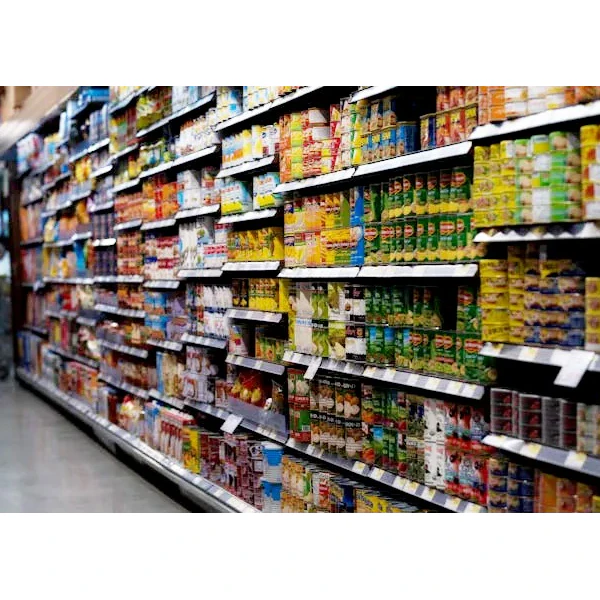
Most vegetable oil intake comes from packaged foods and fast foods, not from a bottle used at home. Chips, crackers, baked goods, fried foods, sauces and restaurant meals often contain soybean or canola oil. The overall food choices change the risk picture, especially when meals are low in protein and minerals and high in refined starch.
The Main Risk Mechanisms
The biggest risks that show up in real life tend to involve heat damage, oxidation and ultra-processed food habits. Those risks do not require scary claims about toxins. They show up through basic chemistry and common eating patterns.
Heat & Oil Breakdown
When oil gets very hot, some parts of it can break down into smaller compounds. Deep frying pushes oil to high temperatures for long stretches. Reusing frying oil, which happens in many food settings, can speed damage because the oil already has breakdown products in it.
Many studies focus on fried food intake rather than a single oil type. In large cohorts, frequent fried food intake has been linked with higher risk of type 2 diabetes and a more modest rise in coronary disease risk, with body weight and related health issues explaining a large part of the link (Cahill et al., 2014).
Oxidation During Storage
Oxidation means oxygen reacts with oil and slowly changes it. Heat, light and air speed this process. Polyunsaturated fats tend to oxidize faster than more saturated fats, especially when stored for long periods after opening.
A rancid oil may smell like paint, old nuts, or stale chips. Some oils can look fine and still be damaged, so smell and storage habits both matter. A cool, dark cabinet and a tight lid can slow damage. Large bottles used slowly can go rancid before they empty, especially in warm kitchens.
Omega-6 Load
Many seed oils are high in linoleic acid, a main omega-6 fat. Omega-6 fats are essential, which means the body needs some. The open question involves very high intakes and the balance with omega-3 fats from seafood and certain animal foods.
One often cited review argues that a lower omega-6 to omega-3 ratio may support lower risk for chronic disease patterns, even though this topic remains debated and hard to study in free living people (Simopoulos, 2002) (Simopoulos, 2002).
Best Human Evidence
Many people want a simple answer, like seed oils are poison or seed oils are heart healthy. The strongest human evidence gives a more mixed and more useful message.
Replacement vs One Ingredient
In nutrition studies, changing one food often means replacing it with something else. If someone uses less butter but eats more refined starch, the result can look different than using less butter and eating more fish or eggs.
A large Cochrane review found that reducing saturated fat lowered combined cardiovascular events in longer trials and the type of replacement seemed to matter for the result (Hooper et al., 2020). This finding often gets used to promote seed oils. Still, the review does not mean every seed oil in every form improves health. It means that, in those trials, certain substitutions changed event rates.
Blood lipid studies help explain why replacement can shift risk markers. A major meta-analysis of controlled feeding trials found that different fats change LDL, HDL and triglycerides in different ways and swaps from saturated fat to some unsaturated fats can lower LDL cholesterol in many settings (Mensink et al., 2003).
Polyunsaturated Swaps
A meta-analysis of randomized trials reported fewer coronary events when polyunsaturated fats replaced saturated fats, which supports the idea that some swaps can help, at least in certain diets and populations (Mozaffarian et al., 2010).
Observational data also often find that higher linoleic acid intake tracks with lower coronary heart disease risk, though these studies can be shaped by healthy user behavior and other diet factors (Farvid et al., 2014).
These findings do not settle the whole debate. Many people who eat more linoleic acid also eat more nuts, more salads and fewer fried snacks. That pattern can blur cause and effect.
Recovered Data
Two BMJ papers reanalyzed older trial data and raised concerns about assuming that lowering cholesterol through vegetable oil swaps always leads to fewer deaths. The Sydney Diet Heart Study reanalysis reported higher mortality in the group advised to increase omega-6 linoleic acid from certain oils and margarine, though the study has limits and comes from a very different food era (Ramsden et al., 2013).
The Minnesota Coronary Experiment reanalysis found that replacing saturated fat with corn oil lowered cholesterol but did not clearly reduce mortality and the authors argued that incomplete publication may have shaped earlier views (Ramsden et al., 2016).
These papers support lowering a lab number does not always mean better real world outcomes, especially when the intervention involves heavily processed spreads or oils used in processed foods.
Olive Oil Looks Different
Not all unsaturated oils behave the same. Olive oil is higher in monounsaturated fat and often contains protective plant compounds, especially in extra virgin forms.
A meta-analysis of cohort studies found that olive oil intake was linked with lower risk for several outcomes and that monounsaturated fat from mixed sources did not show the same pattern (Schwingshackl & Hoffmann, 2014).
Practical Ways To Lower Risk
The goal should be lower exposure to damaged oils and ultra-processed foods, while keeping meals filling and nutrient dense. Many people find that a higher protein, animal forward plate naturally lowers the need for industrial oils, because it reduces snack foods and takeout reliance.
Kitchen Rules That Work
These steps reduce risk without turning eating into a chemistry project.
- Prefer stable fats for high heat, such as tallow or ghee.
- Store oils in a cool, dark place with a tight lid after each use.
- Buy smaller bottles if the oil is used slowly in the home.
- Avoid deep frying at home, especially when oil would be reused.
- Discard oil that smells off, smokes fast, or leaves sticky residue.
Extra virgin olive oil can work well for gentle cooking and salads. For higher heat cooking, many people choose animal fats like tallow, ghee, or butter, because they tend to be more stable under heat in typical kitchen use. People with dairy sensitivity may tolerate ghee better than butter, because most milk solids get removed.
Food Pattern Changes
The biggest reduction in vegetable oil exposure usually comes from fewer packaged foods. A person can keep a bottle of olive oil for salads and still cut total seed oil intake by simply removing chips, fries and bakery snacks from the weekly routine.
Frequent fried food intake has been linked with higher metabolic risk in large cohorts and those links often weaken after accounting for weight and related conditions, which suggests that overall diet pattern and energy intake matter a great deal (Cahill et al., 2014).
A practical whole food plate often includes meat, eggs, seafood and full fat dairy for those who tolerate it. Non starchy vegetables can fit if digestion allows, though many people do better with well cooked choices and simpler plant foods rather than large raw salads.
When Labels Send A Useful Signal
A short ingredient list tends to mean fewer industrial oils. Words like hydrogenated or partially hydrogenated matter because they point toward trans fats, though many countries have reduced these in the food supply. A large cohort analysis found higher trans fat intake was associated with higher mortality risk, while unsaturated fats were associated with lower mortality risk, though observational work always has limits (Wang et al., 2016). This supports a clear priority: avoid trans fats, avoid frequent fried foods and keep most fats coming from real foods.
Consult a licensed healthcare professional before starting, stopping, or changing any diet, supplement, medication, or wellness practice. For questions about a medical condition or symptoms, seek advice from a qualified clinician who can assess your situation.
FAQs
Are all vegetable oils harmful for everyone?
Vegetable oils vary by type and by how they are used. Small amounts in a whole food diet can differ from large amounts in fried and packaged foods. Risk often rises when oils are heated hard or eaten very often in fast food.
Does frying with vegetable oil make it dangerous?
High heat can damage oil and reuse can raise damage further. A single home meal fried in fresh oil differs from frequent meals fried in reused restaurant oil. People who want lower risk can use other cooking methods more often.
Which oils seem safer for daily use?
Many people do well with extra virgin olive oil for low to medium heat cooking. For high heat, more stable fats like ghee or tallow can be useful choices. Storage habits also matter for safety.
Is inflammation from seed oils proven in humans?
The topic stays debated and diet context changes results a lot. Very high seed oil intake often comes with ultra-processed foods, which can confuse the picture. A whole-food pattern makes it easier to avoid extremes.
How can someone cut seed oils without feeling deprived?
Meals built around protein and satisfying fats usually reduce snack cravings. Replacing chips and fried takeout with simple meals cuts most seed oil exposure fast. Keeping convenient whole-food options at home helps consistency.
Research
Hooper, L. et al. 2020. Reduction in saturated fat intake for cardiovascular disease. Cochrane Database of Systematic Reviews. Available at: https://www.cochranelibrary.com/cdsr/doi/10.1002/14651858.CD011737.pub3/full/hu
Mensink, R.P., Zock, P.L., Kester, A.D.M. & Katan, M.B. 2003. Effects of dietary fatty acids and carbohydrates on the ratio of serum total to HDL cholesterol and on serum lipids and apolipoproteins: a meta-analysis of 60 controlled trials. American Journal of Clinical Nutrition. Available at: https://pubmed.ncbi.nlm.nih.gov/12716665/
Mozaffarian, D., Micha, R. & Wallace, S. 2010. Effects on coronary heart disease of increasing polyunsaturated fat in place of saturated fat: a systematic review and meta-analysis of randomized controlled trials. PLoS Medicine. Available at: https://pmc.ncbi.nlm.nih.gov/articles/PMC2843598/
Farvid, M.S. et al. 2014. Dietary linoleic acid and risk of coronary heart disease: a systematic review and meta-analysis of prospective cohort studies. Circulation. Available at: https://www.ahajournals.org/doi/10.1161/circulationaha.114.010236
Schwingshackl, L. & Hoffmann, G. 2014. Monounsaturated fatty acids, olive oil and health status: a systematic review and meta-analysis of cohort studies. Lipids in Health and Disease. Available at: https://pmc.ncbi.nlm.nih.gov/articles/PMC4198773/
Ramsden, C.E. et al. 2013. Use of dietary linoleic acid for secondary prevention of coronary heart disease and death: evaluation of recovered data from the Sydney Diet Heart Study and updated meta-analysis. BMJ. Available at: https://www.bmj.com/content/346/bmj.e8707
Ramsden, C.E. et al. 2016. Re-evaluation of the traditional diet-heart hypothesis: analysis of recovered data from Minnesota Coronary Experiment (1968–73). BMJ. Available at: https://www.bmj.com/content/353/bmj.i1246
Allard, J.P. et al. 1994. Effects of dietary linoleate on plasma lipids and lipoproteins in healthy men. American Journal of Clinical Nutrition.
Sacks, F.M. & Katan, M. 2002. Randomized clinical trials on the effects of dietary fat and carbohydrate on plasma lipoproteins and cardiovascular disease. American Journal of Medicine.
Li, Y. et al. 2015. Dietary fats and mortality among patients with type 2 diabetes: analysis in two prospective cohort studies. JAMA Internal Medicine. DOI: 10.1001/jamainternmed.2015.0531
Wang, D.D. et al. 2016. Association of specific dietary fats with total and cause-specific mortality. JAMA Internal Medicine. Available at: https://jamanetwork.com/journals/jamainternalmedicine/fullarticle/2530902
Jakobsen, M.U. et al. 2009. Major types of dietary fat and risk of coronary heart disease: a pooled analysis of 11 cohort studies. American Journal of Clinical Nutrition. Available at: https://pubmed.ncbi.nlm.nih.gov/19211817/
Laaksonen, D.E. et al. 2005. Serum fatty acid composition predicts development of impaired fasting glycaemia and diabetes in middle-aged men. Diabetic Medicine.
Liu, X. et al. 2017. Consumption of fried foods and risk of coronary heart disease, stroke, and heart failure: a prospective cohort study. BMJ. DOI: 10.1136/bmj.j3857
Cahill, L.E. et al. 2014. Fried-food consumption and risk of type 2 diabetes and coronary artery disease: a prospective study in US women and men. American Journal of Clinical Nutrition. Available at: https://pmc.ncbi.nlm.nih.gov/articles/PMC4095664/
Calder, P.C. 2015. Functional roles of fatty acids and their effects on human health. Journal of Parenteral and Enteral Nutrition.
Simopoulos, A.P. 2002. The importance of the ratio of omega-6/omega-3 essential fatty acids. Biomedicine & Pharmacotherapy. Available at: https://pubmed.ncbi.nlm.nih.gov/12442909/
Katan, M.B., Zock, P.L. & Mensink, R.P. 1995. Dietary oils, serum lipoproteins, and coronary heart disease. American Journal of Clinical Nutrition.