Key Takeaways
- Omega-3 fats help the heart, brain, joints, eyes and skin.
- EPA and DHA from sea foods are the most active forms.
- Food sources tend to work better than pills for most plans.
- Omega-3 pills can clash with blood thinners and surgery plans.
- Fresh fats matter because old oils can spoil and irritate.
Omega-3 fats are a type of fat found in sea foods and some plants. The body uses these fats to build cell walls and to make signal messengers. Many people want omega 3 fatty acids benefits for the heart, brain, and sore joints, but the details matter. Not all omega-3 fats act the same. Food source, dose, and fresh smell all change the end result. Some trials also show mixed results, so simple claims do not fit all cases.
Omega 3 Basics
Omega-3 fats come in three main forms:
- EPA
- DHA
- ALA
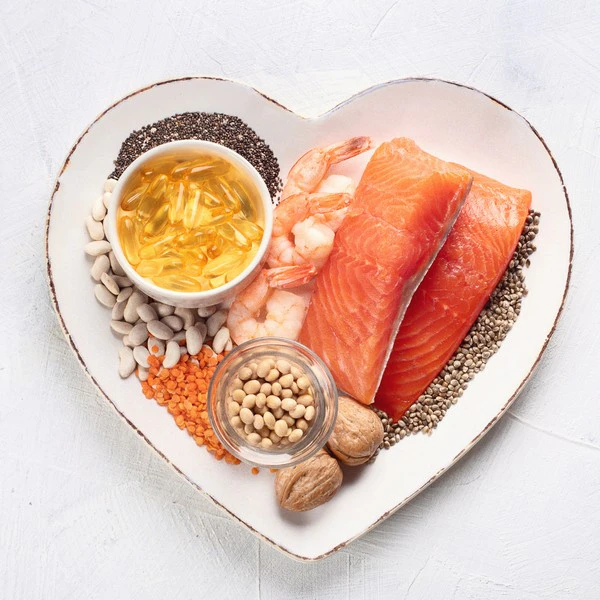
EPA and DHA are found in sea foods like sardine, salmon and roe. ALA is found in some plant foods, like flax and chia. ALA can be converted into EPA and DHA, but that conversion is small for many adults. EPA and DHA are long chain fats. Long chain means the fat has a longer shape. This helps it fit into cell walls, such as brain cells and eye cells. Many trials use pills with EPA and DHA, not plant ALA. This is important when reading claims and labels. The most dense sources tend to be sea foods and animal foods.
Fatty fish, shellfish, and fish eggs can add EPA and DHA with a small food volume. Pasture raised eggs and ruminant foods can add small amounts too. For people who eat low carb, higher fat meals, these foods can fit well. They also bring key minerals and high grade protein, which helps the body use fats well.
Heart Support
Many people look for omega 3 benefits for heart health. Trials and reviews do not all agree on big, hard end points like heart attack, but some heart markers do shift in helpful ways.
Triglycerides are a blood fat used for fuel and storage. High levels can link with higher heart risk in some groups. Some omega-3 forms can lower triglycerides, mainly at higher doses used in trials. Reviews that pool many trials report changes in blood fats, but the size of change can vary by dose, by health state, and by the form used. (Abdelhamid et al., 2020)
A key point for real life is that food and pill trials are not the same. Many people do better with food steps that also cut sugar, starch, and seed oils. Those steps can lower triglycerides on their own, with or without pills.
Blood Pressure Support
Blood pressure is the force of blood on artery walls. Some pooled trial data show EPA and DHA can lower blood pressure by a small amount, with larger effects in some groups and at higher doses. (Miller et al., 2014)
Small shifts still matter for some people, but no one should view omega-3 as a stand alone fix. Sleep, stress load, salt needs, and low carb food choices can all shift blood pressure, too.
Clotting Caution
Omega-3 fats can affect clotting. Clotting is how the body stops a cut from bleeding too long. This can be helpful in one case and risky in another. People who use blood thinners, have a bleed risk, or have a planned surgery should talk with a clinician before using high dose omega-3 pills. A few fish meals per week tend to be less risky than high dose pills but each case is still unique.
Brain & Mood Support
The brain is rich in fat. DHA is one of the main fats found in brain cell walls. That fact alone does not prove a mood effect, but it helps explain why this area gets so much focus.
Mood Support
Some pooled trial data show omega-3 pills can reduce low mood symptoms in some groups. In one large meta analysis, the average effect was small, and EPA heavy mixes seemed to work better than DHA-only mixes. (Liao et al., 2019)
Mood is also tied to blood sugar swings, sleep loss, and low iron or low B12 in some groups. A food plan with enough animal protein, enough fat, and fewer refined carbs can support steadier energy, which may help mood in a practical way.
Focus & Memory
Many people hope omega-3 will prevent age linked mind loss. The full story is not clear. A recent review in adults without dementia found the effect on thinking tests was uncertain and may be small. (Suh et al., 2024)
This is a good place to keep goals real. Omega-3 rich foods can still be part of a brain smart plan, but they should sit beside basics like sleep, strength work, time out in sun, and social ties.
Joint & Inflammation Support

Inflammation is a normal body tool. It helps fight germs and heal cuts. The issue is long, high inflammation that stays stuck on, which can raise pain and slow healing. Omega-3 fats can change the mix of fat signals the body makes. That can matter for joints, mainly in people with joint disease.
Rheumatoid Arthritis Clues
Rheumatoid arthritis is an immune disease that can harm joints. In a meta analysis of trials in rheumatoid arthritis, omega-3 intake was linked with better disease activity measures in some studies. (Gioxari et al., 2018) Omega-3 may support comfort and function for some people, mainly as one part of a full plan that also keeps seed oils low and keeps protein high.
Daily Joint Comfort
For day to day aches :
- Two to four meals per week with sardine, salmon or mackerel
- Pasture raised eggs on other days for added fat soluble nutrients
- Beef, lamb, or goat as the main protein for steady minerals
These foods also help keep meals simple and filling, which can reduce snacking. Many people find fewer meals per day helps joint swelling feel less puffy, though each body reacts in its own way.
Eye & Skin Support
The eye surface and skin barrier both need fats. Dry eye, for example, can link with tear film issues. Omega-3 is often used in dry eye plans, though results can vary.
A meta analysis in dry eye disease found omega-3 use improved self rated symptoms in some trials. (O’Byrne & O’Keeffe, 2022) Dry eye can also link with screen time, low blink rate, and dry rooms. Omega-3 may help some people, but eye habits still matter.
Skin Barrier Support
Skin barrier is the outer wall that holds water in and keeps irritants out. Omega-3 rich foods can support skin as part of a higher fat, whole food plan. People who cut seed oils and ultra processed snacks often notice less skin flare, though this can also come from fewer additives and less sugar load. When skin is very dry, simple steps can help: eat enough fat at meals, avoid frequent grazing, and use gentle skin care with fewer scents.
Food Plan

Omega supplement pills are common, but food brings more than fats. It brings protein, minerals, and fat soluble vitamins that work as a set. For many people, that is a safer and more steady path.
Best Sources
Sea foods tend to be the most direct way to get EPA and DHA. Good options include:
- Sardine, herring, anchovy
- Salmon, mackerel
- Oysters, mussels, and other shellfish
- Fish roe, when it is fresh and well sourced
Pasture raised eggs can help fill gaps on non fish days. Ruminant foods can also add small omega-3 amounts, though they are not as dense as fish.
Simple Weekly Rhythm
A simple rhythm can fit most weeks:
- 2 to 4 fish meals per week
- 1 to 2 shellfish meals per week, when budget fits
- Eggs and ruminant foods on other days
Many people do well with 1 to 3 meals per day, with no grazing. That pattern can help hunger cues reset and can cut snack oils that crowd out better fats.
Cooking & Storage Tips
Omega-3 fats can spoil. Spoiled fat can smell fishy in a sharp, stale way. Fresh fish smells like the sea, not like old oil.
To protect fats:
- Use low to medium heat when pan cooking fish.
- Store fish cold and use it soon after buy.
- Avoid deep fried fish cooked in seed oils.
Seed oils, like soy and corn oil, are high in omega-6 fats. A high omega-6 load can tilt fat balance in a way that some people find irritating. Using animal fats like butter, ghee, and tallow can help keep seed oils low.
Supplement Use & Limits
Some people use omega-3 pills for a short time, such as for high triglycerides. Some trials show mixed results for heart event risk, and one large trial using a certain high dose mix found no benefit for major heart events in a high risk group. (Nicholls et al., 2020) This is why product type and dose matter, and why food remains a strong base. For those who do use a supplement, quality and fresh smell matter. Many fish oil pills oxidize, which means the fat has broken down. Oxidized oils can irritate the gut and may not give the same effect seen in trials.
When a supplement is truly needed, some people choose high quality cod liver oil from brands that avoid fortification and focus on careful handling. A clinician can help weigh the fit, dose, and safety for the person. Pregnant women should never guess on dose. A Cochrane review found omega-3 intake in pregnancy can reduce preterm birth risk, but it can also raise post term pregnancy risk. This area needs clinician support, not DIY dosing. (Middleton et al., 2018)
Consult a licensed healthcare professional before starting, stopping, or changing any diet, supplement, medication, or wellness practice. For questions about a medical condition or symptoms, seek advice from a qualified clinician who can assess your situation.
FAQs
What are omega 3 fatty acids benefits for the body?
Omega-3 fats support cell walls and body signals. Many people use them for heart markers, mood support, joint comfort, and dry eye symptoms.
What is the difference between EPA, DHA, and ALA?
EPA and DHA are found in sea foods and are used in many trials. ALA is a plant omega-3, and the body may turn only a small part into EPA and DHA.
What are the best omega 3 foods to eat each week?
Sardines, salmon, herring, anchovy, and mackerel are strong choices. Shellfish and fish roe can also help, and pasture raised eggs can support intake on non fish days.
How much omega 3 is too much for most people?
High dose pills can raise bleed risk for some people, mainly with blood thinners or before surgery. A clinician should guide high dose use, while food amounts are often a safer base.
Are omega 3 supplements as good as eating fish?
Supplements can help in select cases, but results vary by product and dose. Whole foods also bring protein, minerals, and fat soluble nutrients that pills do not provide.
Research
Abdelhamid, A.S. et al. (2020) ‘Omega-3 fatty acids for the primary and secondary prevention of cardiovascular disease’, Cochrane Database of Systematic Reviews. Available at: PubMed
Aung, T. et al. (2018) ‘Associations of Omega-3 Fatty Acid Supplement Use With Cardiovascular Disease Risks: Meta-analysis of 10 Trials Involving 77 917 Individuals’, JAMA Cardiology. Available at: PubMed
Rizos, E.C. et al. (2012) ‘Association between omega-3 fatty acid supplementation and risk of major cardiovascular disease events: a systematic review and meta-analysis’, JAMA. Available at: PubMed
Markozannes, G. et al. (2022) ‘Dose-related meta-analysis for Omega-3 fatty acids supplementation on major adverse cardiovascular events’, Clinical Nutrition. Available at: PubMed
Khan, S.U. et al. (2021) ‘Effect of omega-3 fatty acids on cardiovascular outcomes: A systematic review and meta-analysis’, eClinicalMedicine. Available at: PubMed
Alexander, D.D. et al. (2017) ‘A Meta-Analysis of Randomized Controlled Trials and Prospective Cohort Studies of Eicosapentaenoic and Docosahexaenoic Long-Chain Omega-3 Fatty Acids and Coronary Heart Disease Risk’, Mayo Clinic Proceedings. Available at: PubMed
Wang, T. et al. (2023) ‘Association Between Omega-3 Fatty Acid Intake and Dyslipidemia: A Continuous Dose-Response Meta-Analysis of Randomized Controlled Trials’, Journal of the American Heart Association. Available at: PubMed
Miller, P.E. et al. (2014) ‘Long-chain omega-3 fatty acids eicosapentaenoic acid and docosahexaenoic acid and blood pressure: a meta-analysis of randomized controlled trials’, American Journal of Hypertension. Available at: PubMed
Liao, Y. et al. (2019) ‘Efficacy of omega-3 PUFAs in depression: A meta-analysis’, Translational Psychiatry. Available at: PubMed
Norouziasl, R. et al. (2024) ‘Efficacy and safety of n-3 fatty acids supplementation on depression: a systematic review and dose-response meta-analysis of randomised controlled trials’, British Journal of Nutrition. Available at: PubMed
Middleton, P. et al. (2018) ‘Omega-3 fatty acid addition during pregnancy’, Cochrane Database of Systematic Reviews. Available at: PubMed
Kar, S. et al. (2016) ‘Effects of omega-3 fatty acids in prevention of early preterm delivery: a systematic review and meta-analysis of randomized studies’, European Journal of Obstetrics & Gynecology and Reproductive Biology. Available at: PubMed
Saccone, G. and Berghella, V. (2015) ‘Omega-3 long chain polyunsaturated fatty acids to prevent preterm birth: a systematic review and meta-analysis’, Obstetrics & Gynecology. Available at: PubMed
Sydenham, E., Dangour, A.D. and Lim, W.-S. (2012) ‘Omega 3 fatty acid for the prevention of cognitive decline and dementia’, Cochrane Database of Systematic Reviews. Available at: PubMed
Suh, S.W. et al. (2024) ‘The influence of n-3 polyunsaturated fatty acids on cognitive function in individuals without dementia: a systematic review and dose-response meta-analysis’, BMC Medicine. Available at: PubMed
O’Byrne, C. and O’Keeffe, M. (2022) ‘Omega-3 fatty acids in the management of dry eye disease-An updated systematic review and meta-analysis’, Acta Ophthalmologica. Available at: PubMed
Gioxari, A. et al. (2018) ‘Intake of ω-3 polyunsaturated fatty acids in patients with rheumatoid arthritis: A systematic review and meta-analysis’, Nutrition. Available at: PubMed
Wang, W. et al. (2024) ‘Effects of omega-3 supplementation on lipid metabolism, inflammation, and disease activity in rheumatoid arthritis: a meta-analysis of randomized controlled trials’, Clinical Rheumatology. Available at: PubMed
Nicholls, S.J. et al. (2020) ‘Effect of High-Dose Omega-3 Fatty Acids vs Corn Oil on Major Adverse Cardiovascular Events in Patients at High Cardiovascular Risk: The STRENGTH Randomized Clinical Trial’, JAMA. Available at: PubMed
ASCEND Study Collaborative Group (2018) ‘Effects of n-3 Fatty Acid Supplements in Diabetes Mellitus’, New England Journal of Medicine. Available at: PubMed
Manson, J.E. et al. (2019) ‘Marine n-3 Fatty Acids and Prevention of Cardiovascular Disease and Cancer’, New England Journal of Medicine. Available at: PubMed
Bhatt, D.L. et al. (2019) ‘Cardiovascular Risk Reduction with Icosapent Ethyl for Hypertriglyceridemia’, New England Journal of Medicine. Available at: PubMed
Yokoyama, M. et al. (2007) ‘Effects of eicosapentaenoic acid on major coronary events in hypercholesterolaemic patients (JELIS): a randomised open-label, blinded endpoint analysis’, The Lancet. Available at: PubMed
Gruppo Italiano per lo Studio della Sopravvivenza nell’Infarto miocardico (1999) ‘Dietary supplementation with n-3 polyunsaturated fatty acids and vitamin E after myocardial infarction: results of the GISSI-Prevenzione trial’, The Lancet. Available at: PubMed