Key Takeaways
- Kidney stone pain often comes in waves and can spread from back to groin.
- Blood in urine, nausea or vomiting can happen even with smaller stones.
- Fever or chills with stone pain can signal infection and needs urgent care.
- Low urine volume from not drinking enough is a major driver of repeat stones.
- High oxalate foods can strongly raise risk for calcium oxalate stone formers.
Spotting Symptoms
Pain Clues
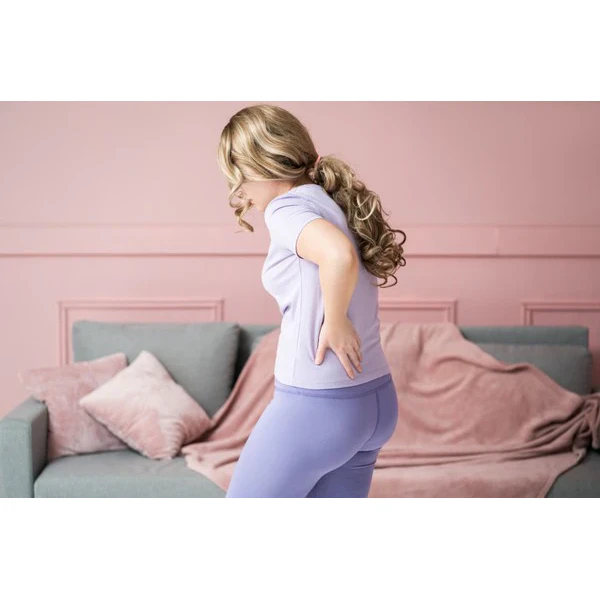
Kidney stone pain often starts suddenly and feels sharp or crushing. Pain can sit in your side or back, then move into your lower belly or groin as the stone shifts.
Pain often comes in waves because the ureter spasms as it tries to push the stone along. Some people also feel pain during urination when the stone irritates the bladder area. (1)
Urine Changes
Blood in urine can look pink, red or brown, and it can appear on and off. You may urinate more often, feel urgency or feel burning, even when little urine comes out.
Cloudy urine or foul smelling urine can happen, especially when urine flow is slowed or infection is present. A small stone can still cause these signs, even if pain is less dramatic for you. (2)
Nausea and vomiting often come from intense pain and stress signals from the body. Vomiting also raises dehydration risk because you lose fluid and you may stop drinking. Dehydration concentrates urine and makes crystals more likely to grow. Symptoms can stack quickly, so your response needs to be simple and steady.
Urgent Warning Signs
Fever or chills during a kidney stone episode can signal infection. A stone can block urine flow and trap bacteria behind it, which can turn dangerous fast. Severe pain with fever, weakness or confusion needs urgent medical care, not home trial and error. You should also get urgent help if you cannot urinate or if vomiting stops you from keeping fluids down. (1, 3)
Why Stones Form
Concentrated Urine
Kidney stones form when urine carries too much crystal forming material and too little fluid to dilute it. Calcium, oxalate and other minerals can build up, then stick together into crystals. Many people form stones during long stretches of low fluid intake, heavy sweating or repeated mild dehydration.
Low urine volume also links to recurrence, so prevention starts with dilution. (2) A five year randomized study in people with idiopathic calcium stones found fewer recurrences when urine volume was increased through higher water intake. More urine flow helps flush crystals before they become stones. (4)
Diet Pressures
Sodium intake can push more calcium into urine in many people, which raises calcium stone risk. Sugary drinks can also raise risk by replacing water and by adding more fructose to the diet.
A large study linked fructose intake with higher kidney stone risk, so this is not only theory. A simple switch from sweet drinks to water often helps more than people expect. (5)
Some people do better when prevention is guided by urine testing and stone analysis. Medical guidelines support checking key urine and blood factors when stones repeat. You get a clearer plan when you know if your urine shows low citrate, high calcium, high oxalate or low volume. (6)
Oxalates
Why Oxalates Trigger Stones
Oxalates can be a direct driver of calcium oxalate stones because oxalate binds calcium and forms crystals. When oxalate load is high, urine can become primed for calcium oxalate crystal growth.
Your kidneys then face a steady stream of crystal material, day after day. Some people also have higher oxalate absorption from the gut, which can raise urine oxalate even more. (7)
Oxalates are not a harmless food detail when you are a calcium oxalate stone former. High oxalate eating can keep feeding the exact stone type most people get.
Kidney stone prevention advice commonly includes limiting high oxalate foods for this reason. You cannot out drink a constant heavy oxalate load if your urine keeps running hot with oxalate. (8)
High Oxalate Foods
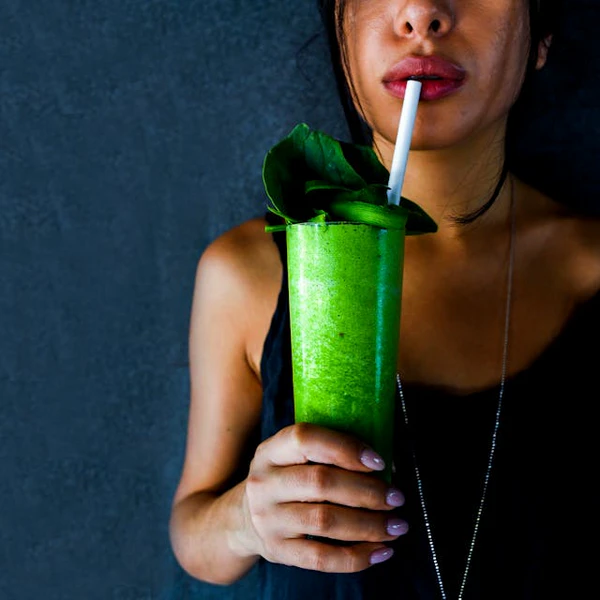
Some high oxalate foods show up again and again in prevention guidance because they can be very concentrated sources. Spinach is a common example, and it is easy to eat in large amounts through salads, smoothies or blended drinks.
Nuts can also add a heavy oxalate load, especially when you snack on them daily. Beets, wheat bran, chocolate and tea are also often listed as high oxalate foods to limit for many calcium oxalate stone formers. (8)
High oxalate foods can be a hidden problem because you can think you are eating clean while you keep triggering stones. Smoothies can turn a moderate amount into a concentrated dose, and you can drink it fast.
Big spinach salads can do the same thing, especially if you repeat them daily. If you have a history of calcium oxalate stones, treating these foods as routine staples can be a costly mistake.
Oxalate risk also goes beyond typical stones when urine oxalate stays very high. Mayo Clinic describes hyperoxaluria as too much oxalate in urine, and notes that eating too many high oxalate foods is one possible cause.
Kidney stones are often the first sign, and ongoing high oxalate can lead to serious kidney problems in severe cases. You need medical evaluation if stones repeat or if you have signs of a deeper oxalate handling problem. (7)
Reducing Oxalate Load
You lower oxalate load by cutting the worst offenders first, then keeping changes steady. Removing spinach and frequent nuts is often a direct and meaningful first step for many people. Reducing tea and chocolate can also help if those are daily habits for you.
A diet plan for prevention often includes limiting high oxalate foods and keeping fluid intake high, which supports lower urine supersaturation. (8)
Dietary calcium can help because calcium can bind oxalate in the gut and reduce how much reaches urine. Many prevention discussions warn against stripping calcium too low, especially when stones are calcium oxalate.
A randomized trial in men with recurrent calcium oxalate stones found lower recurrence on a diet with normal calcium plus lower sodium and lower animal protein, compared with a low calcium approach. This supports a plan that targets oxalate while keeping calcium at a sensible level. (9)
Relief & Prevention
Relief During An Episode
Pain control often needs medical help because stone pain can be severe and persistent. You can use prompt evaluation when pain is extreme, when symptoms are unclear or when you have risk factors like pregnancy or known kidney disease.
NIDDK notes that stones that block the urinary tract or cause great pain may need urgent treatment, and dehydration from vomiting may require IV fluids. You protect your kidneys by taking red flags seriously. (3)
Fluids & Citrate
Higher fluid intake supports prevention by raising urine volume and lowering crystal concentration. A randomized study found fewer recurrences when people increased water intake to maintain higher urine volume.
A steady daily routine works better than occasional large intakes. You get the best outcome when you keep urine output higher through the whole day. (4)
Citrate can help because it binds calcium and can reduce calcium oxalate crystal formation. Diet and medical options exist, and they should be matched to your urine results when possible. NIDDK discusses diet approaches based on stone type, including adjusting oxalate intake for calcium oxalate stones. You can ask your clinician if citrate therapy or citrate rich foods are appropriate for your pattern. (10)
A Clear Prevention Plan
Stone analysis and urine testing give you a plan that matches your body, not guesses. Medical guidelines support prevention based on stone type and urine risk factors, especially after recurrent stones. This approach helps you focus effort where it counts, like low urine volume, high urine calcium, high urine oxalate or low citrate. You can then retest and confirm your changes are working. (6)
For any health concerns or questions about a medical condition, get guidance from a physician or another appropriately trained clinician. Before changing your diet, supplements or health routine, talk with a licensed healthcare professional.
Research
Mayo Clinic (2025) Kidney stones – Symptoms and causes. Available at https://www.mayoclinic.org/diseases-conditions/kidney-stones/symptoms-causes/syc-20355755 (Accessed 28 April 2026).
National Institute of Diabetes and Digestive and Kidney Diseases (2017) Symptoms & Causes of Kidney Stones. Available at https://www.niddk.nih.gov/health-information/urologic-diseases/kidney-stones/symptoms-causes (Accessed 28 April 2026).
National Institute of Diabetes and Digestive and Kidney Diseases (2025) Treatment for Kidney Stones. Available at https://www.niddk.nih.gov/health-information/urologic-diseases/kidney-stones/treatment (Accessed 28 April 2026).
Borghi, L., Meschi, T., Amato, F., Briganti, A., Novarini, A. and Giannini, A. (1996) Urinary volume, water and recurrences in idiopathic calcium nephrolithiasis a 5 year randomized prospective study. Available at https://pubmed.ncbi.nlm.nih.gov/8583588/ (Accessed 28 April 2026).
Taylor, E.N. and Curhan, G.C. (2008) Fructose consumption and the risk of kidney stones. Available at https://pubmed.ncbi.nlm.nih.gov/17928824/ (Accessed 28 April 2026).
Pearle, M.S., Goldfarb, D.S., Assimos, D.G., Curhan, G., Denu Ciocca, C.J., Matlaga, B.R., Monga, M., Penniston, K.L., Preminger, G.M., Turk, T.M.T. and White, J.R. (2014) Medical Management of Kidney Stones AUA Guideline. Available at https://www.erknet.org/fileadmin/files/user_upload/Medical_management_of_kidney_stones_AUA_guideline..pdf (Accessed 28 April 2026).
Mayo Clinic (2023) Hyperoxaluria and oxalosis – Symptoms and causes. Available at https://www.mayoclinic.org/diseases-conditions/hyperoxaluria/symptoms-causes/syc-20352254 (Accessed 28 April 2026).
National Kidney Foundation (n.d.) Kidney Stone Diet Plan and Prevention. Available at https://www.kidney.org/kidney-topics/kidney-stone-diet-plan-and-prevention (Accessed 28 April 2026).
Borghi, L., Schianchi, T., Meschi, T., Guerra, A., Allegri, F., Maggiore, U. and Novarini, A. (2002) Comparison of two diets for the prevention of recurrent stones in idiopathic hypercalciuria. New England Journal of Medicine, 346(2), pp. 77–84. Available at https://www.nejm.org/doi/full/10.1056/NEJMoa010369 (Accessed 28 April 2026).
National Institute of Diabetes and Digestive and Kidney Diseases (2026) Eating, Diet, & Nutrition for Kidney Stones. Available at https://www.niddk.nih.gov/health-information/urologic-diseases/kidney-stones/eating-diet-nutrition (Accessed 28 April 2026).
National Kidney Foundation (n.d.) Calcium Kidney Stones. Available at https://www.kidney.org/kidney-topics/calcium-kidney-stones (Accessed 28 April 2026).
American Urological Association (2014) Kidney Stones Medical Management Guideline.
Fink, H.A. et al. (2013) Medical management to prevent recurrent nephrolithiasis in adults a systematic review for an American College of Physicians Clinical Guideline. Annals of Internal Medicine, 158(7), pp. 535–543.
Phillips, R. et al. (2015) Citrate salts for preventing and treating calcium containing kidney stones in adults. Cochrane Database of Systematic Reviews, 2015(10), CD010057.
Pearle, M.S. et al. (1999) Meta analysis of randomized trials for medical prevention of calcium oxalate nephrolithiasis. Journal of Endourology, 13(9), pp. 679–685.
Ettinger, B. et al. (1997) Potassium magnesium citrate is an effective prophylaxis against recurrent calcium oxalate nephrolithiasis. Journal of Urology, 158(6), pp. 2069–2073.
Ettinger, B. et al. (1986) Randomized trial of allopurinol in the prevention of calcium oxalate calculi. New England Journal of Medicine, 315(22), pp. 1386–1389.
Aras, B. et al. (2008) Can lemon juice be an alternative to potassium citrate in the treatment of urinary calcium stones in patients with hypocitraturia? A prospective randomized study. Urological Research, 36(6), pp. 313–317.
Ferraro, P.M. et al. (2017) Dietary and Lifestyle Risk Factors Associated with Incident Kidney Stones in Men and Women.
Taylor, E.N. et al. (2004) Dietary factors and the risk of incident kidney stones in men new insights after 14 years of follow up. Journal of the American Society of Nephrology, 15(12), pp. 3225–3232.
Taylor, E.N., Fung, T.T. and Curhan, G.C. (2009) DASH style diet associates with reduced risk for kidney stones. Journal of the American Society of Nephrology, 20(10), pp. 2253–2259.
Taylor, E.N., Stampfer, M.J. and Curhan, G.C. (2005) Obesity, weight gain, and the risk of kidney stones. JAMA, 293(4), pp. 455–462.
Ferraro, P.M. et al. (2014) Caffeine intake and the risk of kidney stones. American Journal of Clinical Nutrition, 100(6), pp. 1596–1603.
Carbone, A. et al. (2018) Obesity and kidney stone disease a systematic review. Minerva Urologica e Nefrologica, 70(4), pp. 393–400.
Fisang, C. et al. (2015) Urolithiasis an interdisciplinary diagnostic, therapeutic and secondary preventive challenge. Deutsches Ärzteblatt International, 112(6), pp. 83–91.
Carter, M.R. and Green, B.R. (2011) Renal calculi emergency department diagnosis and treatment. Emergency Medicine Practice, 13(7), pp. 1–17.