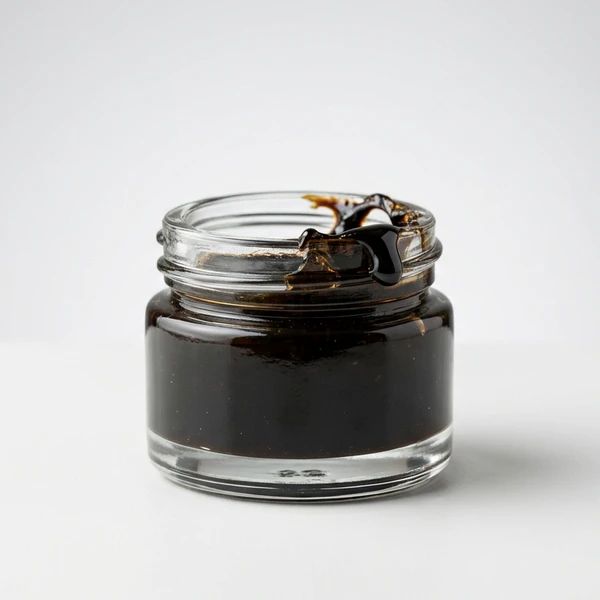
Key Takeaways
- Shilajit safety depends heavily on purity, testing, source quality and dose control.
- Heavy metal contamination is the main risk with raw or poorly tested shilajit.
- Digestive upset, dizziness, rash and allergic reactions can happen in sensitive people.
- Drug interaction data are thin, so medication users need extra care.
- Pregnant women, breastfeeding mothers and children should avoid casual shilajit use.
Main Safety Risks
Heavy Metal Risk
Shilajit is a mineral rich resin found in mountain rock layers. Its natural origin does not make it clean or safe by default.
A 2024 review warned that shilajit use without clear metal testing can pose serious health problems because products may contain unsafe levels of lead, arsenic, mercury, cadmium or other metals (1).
Heavy metals can damage the brain, kidneys, liver, nerves and blood system over time. The risk grows when a product is raw, poorly purified, fake or sold without batch testing.
Health Canada requires shilajit products to undergo purification and meet finished product heavy metal specifications before they can be treated as compliant natural health products (2).
The wider Ayurvedic product market has a long record of contamination problems.
A JAMA study found that about one fifth of Ayurvedic medicines bought online contained detectable lead, mercury or arsenic (3).
FDA testing has also found high lead and mercury levels in certain unapproved Ayurvedic products, along with arsenic and other dangerous compounds (4).
Product Quality Problems
Shilajit quality varies because it is sold as resin, powder, capsules, gummies and blends. A dark sticky texture does not prove purity.
A certificate of analysis should match the exact batch, list heavy metals and come from a credible independent lab.
Cheap shilajit often carries the highest risk. Some products may be diluted, contaminated or made from dark colored resin that has little connection to true shilajit.
Product labels can say purified while giving no proof of testing, extraction method or contaminant limits. Online supplement markets reward bold claims, low prices and fast sales.
Shilajit is often sold for energy, testosterone, libido and detox, while safety details stay vague. The strongest warning sign is a brand that talks loudly about benefits and gives weak proof of purity.
Common Side Effects
Digestive & Skin Reactions
Some people report nausea, loose stool, stomach discomfort, headache, dizziness or a warm flushed feeling after using shilajit.
These reactions may come from the resin itself, the dose, added ingredients or contamination.
The Operation Supplement Safety program lists allergic reactions, increased blood pressure, disorientation and dizziness as possible side effects linked with shilajit use (5).
Skin reactions can also occur. Rashes, itching, redness or swelling should be treated as warning signs, especially when they start soon after a new product.
Trouble breathing, throat tightness or facial swelling needs urgent care because severe allergic reactions can move fast.
Many shilajit products contain extra herbs, flavorings or sweeteners. Those added ingredients can cause side effects that users blame on shilajit.
Read the full label, because blends make reactions harder to track and harder to explain to a clinician.
Blood Sugar Changes
Shilajit may affect glucose handling, based on early human and lab research.
A small clinical report using shilajit with other Ayurvedic care in people with type 2 diabetes reported changes in fasting blood sugar and HbA1c, but the design makes it hard to separate the effect of shilajit from the rest of the treatment (6).
People using blood sugar medication need caution because additive effects could cause low blood sugar.
The interaction evidence is thin, so the safest view is simple. Track glucose closely and involve a trained clinician before mixing shilajit with anything that lowers blood sugar.
Low blood sugar can feel like sweating, shaking, weakness, hunger, confusion or a fast heartbeat. Those symptoms deserve attention because they can become dangerous.
A supplement marketed for energy should never be treated as harmless when it touches blood sugar control.
Hormone Effects
One randomized controlled trial in healthy men aged 45 to 55 used 250 mg twice daily for 90 days and reported higher total testosterone, free testosterone and DHEAS compared with placebo (7).
That finding does not mean every shilajit product raises testosterone safely. The study used a purified extract under controlled conditions.
Store bought resin, gummies and blends may differ in dose, purity, metals and active compounds.
People with hormone sensitive conditions should be careful. Men using hormone therapy or fertility treatment should not add shilajit casually.
Women with hormone linked conditions should also be cautious because good safety data in women are limited.
Trace Minerals Need Balance
Minerals can push each other out of balance when dosing is random.
Drug Interaction Concerns
Blood Pressure Drugs
Shilajit may affect blood pressure in some users. Human evidence remains limited, but reports of dizziness and blood pressure changes make caution sensible.
People who use blood pressure medication should treat shilajit as a possible add on effect, especially if they already feel lightheaded when standing.
Low blood pressure can cause faintness, blurred vision, weakness and falls. High blood pressure can also worsen silently in some people.
Track readings at home if you use shilajit, especially during the first week or after dose changes.
Do not mix shilajit with several new supplements at the same time. A single change makes it easier to find the cause of a reaction. Multiple changes turn side effects into guesswork.
Diabetes Drugs
Shilajit may interact with glucose lowering drugs because it may affect blood sugar. This concern applies to insulin and oral diabetes drugs.
It also applies to people using several supplements that lower glucose at the same time.
A low carb diet, fasting, hard exercise and shilajit may all pull glucose in the same direction. People who monitor glucose can see changes sooner than people relying only on symptoms.
Thyroid & Hormone Drugs
Some safety guides warn about possible thyroid and hormone drug interactions, but the human data remain poor. That uncertainty should make users more careful, not more relaxed.
Hormone systems use feedback loops, so a supplement that changes energy, sex hormones or minerals can create effects that are hard to predict.
People using thyroid medication need steady timing and stable intake. Adding shilajit may confuse symptom tracking if energy, heart rate, sleep or heat tolerance change.
Keep clinicians informed because dose decisions become harder when supplement use stays hidden.
Check vs Skip
| Check | Skip |
|---|---|
| Magnesium | Iron supplements |
| Copper | Zinc supplements |
| Selenium | Large mixed doses |
| Iodine from food | Anything Fortified |
Higher Risk Groups
Pregnancy & Breastfeeding
Heavy metals are the main concern because lead, mercury and arsenic can harm the developing brain and nervous system.
Infants are more vulnerable because their bodies are small and their organs are still developing.
Shilajit is often promoted online as postpartum mineral support. That claim is risky when the product lacks clear batch testing.
Pregnancy and breastfeeding call for cleaner food, clean water, mineral balance and medical care when needed, not mystery resin from an uncertain supply chain.
Children & Kidney Issues
Children should not use shilajit casually. Their risk from heavy metals is higher because small exposures can carry larger effects per body weight.
Brain development, kidney function and blood formation all make contamination more serious in children.
People with kidney disease also need caution. The kidneys help clear many toxins and waste products.
A contaminated shilajit product can add a burden that the kidneys may handle poorly, especially when exposure continues for weeks or months.
Iron Overload Concerns
People with iron overload conditions should avoid casual use unless a qualified clinician reviews the product and labs. Extra metal exposure can make an already stressed system harder to manage.
Iron handling is more complex than a single blood marker. Ferritin can rise with inflammation, and serum iron can shift with stress and infection.
Adding a mineral rich resin without clear need can cloud the picture instead of helping it.
Mineral Check
Safer Use Checks
Batch Testing Proof
A safer shilajit product should show batch testing for lead, mercury, arsenic and cadmium. The report should match the exact lot number on the product.
Testing should also include microbes and adulterants when possible. Resin can be exposed to soil, water, animals, storage containers and poor handling.
Clean sourcing and careful purification matter because the raw material starts in a harsh outdoor environment.
Third party testing does not make shilajit necessary. It only lowers one part of the risk. You still need to think about dose, medication use, health status and the reason you want it.
Stop Use Signals
Stop using shilajit if you develop
- rash,
- itching,
- swelling,
- chest tightness,
- severe stomach pain,
- fainting,
- confusion,
- unusual weakness or
- dark urine.
Long term metal exposure can be quiet at first. Fatigue, numbness, stomach pain, mood changes, poor memory and tremor can appear slowly. Anyone with these symptoms after using shilajit should tell a clinician exactly what product they used and bring the container or lab report.
For any health concerns or questions about a medical condition, get guidance from a physician or another appropriately trained clinician. Before changing your diet, supplements or health routine, talk with a licensed healthcare professional.
Suggested Posts
Evidence Limits
Research
Hussain, A. and Saeed, A., 2024. Hazardous or Advantageous: Uncovering the Roles of Heavy Metals and Humic Substances in Shilajit (Phyto-mineral) with Emphasis on Heavy Metals Toxicity and Their Detoxification Mechanisms. Biological Trace Element Research. DOI 10.1007/s12011-024-04109-4. PMID 38393486
Health Canada, 2026. Chemical Substance Shilajit. Natural Health Products Ingredients Database. Available at hc-sc.gc.ca
Saper, R.B. et al., 2008. Lead, mercury, and arsenic in US and Indian manufactured Ayurvedic medicines sold via the Internet. JAMA. DOI 10.1001/jama.300.8.915. PMID 18728265
U.S. Food and Drug Administration, 2025. FDA warns about heavy metal poisoning associated with certain unapproved Ayurvedic drug products. Available at fda.gov
Operation Supplement Safety, 2024. Shilajit as a Dietary Supplement Ingredient. Available at opss.org
Singh, R. et al., 2025. The synergy between Shilajatu (Asphaltum punjabinum) and Ayurvedic care in type 2 diabetes. Journal article available through PubMed Central. Available at nih.gov
Pandit, S. et al., 2016. Clinical evaluation of purified Shilajit on testosterone levels in healthy volunteers. Andrologia. DOI 10.1111/and.12482. PMID 26395129
Saper, R.B. et al., 2004. Heavy metal content of Ayurvedic herbal medicine products. JAMA. DOI 10.1001/jama.292.23.2868. PMID 15598918
Ernst, E., 2002. Heavy metals in traditional Indian remedies. European Journal of Clinical Pharmacology. PMID 11936709
Stohs, S.J., 2014. Safety and efficacy of shilajit (mumie, moomiyo). Phytotherapy Research. DOI 10.1002/ptr.5018. PMID 23733436
Biswas, T.K. et al., 2010. Clinical evaluation of spermatogenic activity of processed Shilajit in oligospermia. Andrologia. DOI 10.1111/j.1439-0272.2009.00956.x. PMID 20078516
Agarwal, S.P. et al., 2007. Shilajit: a review. Phytotherapy Research. DOI 10.1002/ptr.2100. PMID 17295385
Carrasco Gallardo, C., Guzmán, L. and Maccioni, R.B., 2012. Shilajit: a natural phytocomplex with potential procognitive activity. International Journal of Alzheimer’s Disease. DOI 10.1155/2012/674142. PMID 22988485
Keller, J.L. et al., 2019. The effects of Shilajit supplementation on fatigue induced decreases in muscular strength and serum hydroxyproline levels. Journal of the International Society of Sports Nutrition. DOI 10.1186/s12970-019-0270-2. PMID 30697282
Velmurugan, C. et al., 2012. Evaluation of safety profile of black shilajit after 91 days repeated administration in rats. Asian Pacific Journal of Tropical Biomedicine. DOI 10.1016/S2221-1691(13)60016-5. PMID 23569899