
Key Takeaways
- Eggs give complete protein, natural fat, choline, vitamins and useful minerals.
- Whole eggs give more nutrition than egg whites because the yolk carries key nutrients.
- Shell color mostly comes from the hen breed, not better egg quality.
- Fresh eggs, cold storage and clean cooking habits help lower safety risk.
- Pasture raised eggs are often the best choice when quality and budget allow.
Egg Nutrition
Protein & Fat
Eggs are one of the easiest whole foods to use every day. They give complete protein, natural fat and important nutrients in a small package. Complete protein means the egg gives all essential amino acids your body must get from food.
Protein helps repair muscle, skin, organs, hair and daily wear. Egg fat helps the meal feel complete and keeps hunger calmer. A breakfast with whole eggs often lasts longer than cereal, toast or juice because the body gets real building blocks instead of quick sugar.
Eggs also work at any meal. You can cook them in butter for breakfast, add them to leftover beef at lunch or use them with seafood at dinner. Reviews describe eggs as a useful food in healthy diets because they give several nutrients in a simple form (1).
Choline & Eyes
Egg yolks are rich in choline. Choline helps cell membranes, liver function, brain health and methylation. Many people do not get much choline because they avoid egg yolks and liver. Whole eggs are one of the easiest ways to raise intake without using fortified foods.
Egg yolks also contain lutein and zeaxanthin. These nutrients support the eyes and brain across life. A review on eggs, choline and lutein describes their link with cognition and neural health (2). These nutrients sit mostly in the yolk, so egg whites alone miss much of the value.
Budget Value
Eggs are useful because they are nutrient dense and easy to cook. They also tend to be cheaper than many other high quality protein foods. This makes them helpful when a household wants better nutrition without complicated meals.
A cost analysis found that eggs deliver several shortfall nutrients at a low cost in children and adults (3). That does not mean every egg is equal. It means eggs can be a strong staple when the source is good and the eggs are stored well.
Egg Quality
Shell Color
Brown eggs are not automatically better than white eggs. Shell color comes mostly from the breed of the hen. Some hens lay brown eggs, some lay white eggs and some lay blue or green eggs. The shell does not tell you much about nutrition by itself.
Yolk color tells you more about feed than full nutrition. A darker orange yolk often means the hen ate more pigment rich feed. It can look richer and may taste better to some people. Still, color alone does not prove the egg has more of every nutrient.
Pasture Raised
Pasture raised eggs are often the best choice when you can get them fresh. Hens with outdoor access can eat a more varied diet. The final egg still depends on the farm, feed, season and storage. Labels help, but they do not replace common sense.
Cage free only means the hens are not kept in small cages. It does not mean they roam outdoors. Organic refers to the feed rules and production standards. Studies comparing egg types find differences in some nutrients, but results vary across farms and regions (4, 5).

Local Eggs
Local eggs can be a good choice when they are fresh and handled well. Ask how the eggs were collected, cleaned and stored. Bring them home quickly and keep them cold if they have been washed or refrigerated before sale.
Fresh eggs are useful for frying and poaching because the whites hold together better. Older eggs can peel more easily after boiling. Buy what you can use within a few weeks. Rotate cartons so the oldest eggs get used first.
Storage & Safety
Cold Storage
Store eggs in the main part of the fridge. Do not keep them in the door because the temperature changes too much. Keep them in the carton so they lose less moisture and absorb fewer smells from other foods.
In many places, eggs are washed before sale. Washing can remove the natural coating on the shell. Once eggs are washed and sold cold, they should stay cold. Temperature swings can lower quality and raise safety risk.
Freshness Checks
Dates on the carton help, but they are only one clue. A fresh egg has a firm yolk and a white that stays tighter when cracked. Older eggs spread more in the pan. A bad egg usually smells wrong as soon as you crack it.
The float test can show age because the air pocket inside the egg grows over time. A floating egg is older, but age alone does not prove spoilage. Crack eggs into a small bowl before adding them to food. If the smell is bad, throw the egg away.
Clean Handling
Wash your hands after touching raw eggs. Keep raw egg away from cooked food, clean plates and ready to eat meals. Clean the bowl, fork and counter after use. These simple steps lower the chance of spreading bacteria around the kitchen.
Cook eggs until the whites are set when serving young children, older adults, pregnant women or people with weak immune systems. Use pasteurized eggs for homemade mayonnaise or soft desserts if safety is a concern. Careful handling matters more than fear.
Cooking Eggs
Gentle Heat
Eggs cook best with gentle heat. High heat makes the proteins tighten too fast. This turns soft eggs into rubbery eggs. Use butter, ghee or tallow in the pan and keep the heat low to medium.
For soft scrambled eggs, stir slowly and pull the pan off before they look fully done. The heat left in the eggs will finish the cooking. Salt can be added early for softer texture. Extra butter can make the eggs richer and more satisfying.
Boiled Eggs
Boiled eggs are easy to store and carry. For a soft yolk, cook the eggs for about six to seven minutes after the water is hot. For firm yolks, cook closer to nine to eleven minutes. Cool them fast in cold water.
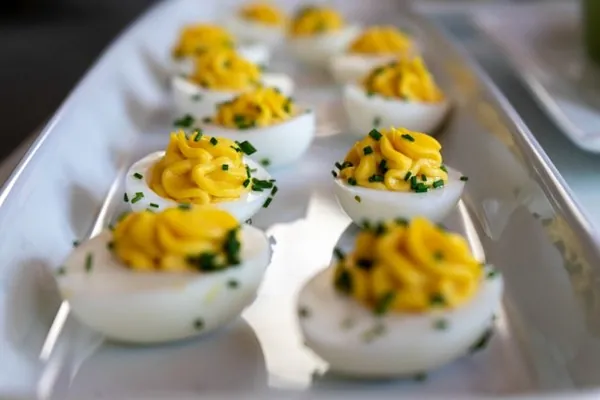
Steaming can make peeling easier. Very fresh eggs often cling to the shell more. Older eggs usually peel better because the egg white changes with time. For egg salad or deviled eggs, use fully cooked yolks and chill the eggs before peeling.
Fried Eggs
Fried eggs need enough fat and steady heat. Warm the pan, add butter or ghee and crack the egg when the fat is ready. Cover the pan for a short time if you want the white set without overcooking the yolk.
For over easy eggs, flip once and cook only a little longer. For crisp edges, use a little more fat and slightly higher heat. Keep the yolk soft if you like it that way, but cook longer when safety is the main concern.
Health Context
Cholesterol
Eggs contain cholesterol because cholesterol is part of animal life. Cholesterol helps make hormones, bile acids and cell membranes. The body also makes cholesterol because it needs it. Food cholesterol is not the same as a disease process.
Large reviews on egg intake and heart disease have not shown a simple harmful story for most people (6, 7, 8). The rest of the diet matters. Eggs inside a low carb meal with animal fat are very different from eggs served with toast, seed oil fried potatoes and sweet drinks.
Blood Sugar
Eggs can fit well in a low carb diet. They give protein and fat with very little carbohydrate. This helps keep meals steady and lowers the need for snacks. Many people feel less hungry when eggs replace a sweet or grain based breakfast.
Trials in people with diabetes or metabolic syndrome have reported useful findings with higher egg intake in certain diet settings. One trial found that a high egg diet did not worsen heart risk markers in people with type 2 diabetes (9). Another study found that egg intake improved lipoprotein markers and insulin sensitivity more than a choline supplement in metabolic syndrome (10).
Allergies
Some people react to eggs. Reactions can involve the skin, stomach, breathing or other symptoms. Egg allergy is more common in children, though some adults react too. People with known allergy need personal guidance.
Sensitivity can also depend on the part of the egg. Some people react more to egg white proteins. Others do better with yolks. Do not force eggs if they clearly cause symptoms. Use another animal protein and get proper help if reactions are strong.
Best Ways To Use Eggs
Simple Meals
Eggs work best as part of real meals. Cook them in butter, ghee or tallow. Pair them with beef, lamb, sardines or cheese when you need a stronger meal. This gives more protein, more fat and better staying power.
Avoid turning eggs into a vehicle for flour, sugar or seed oils. Pancakes, sweet baked foods and fried fast food weaken the value of the egg. A plain omelet with butter and cheese is much better than a sugary breakfast built around refined flour.
Daily Amount
The right number of eggs depends on appetite, size, goals and tolerance. Many people do well with two to four eggs as part of a meal. Bigger or more active people may eat more. Smaller people may need less.
Look at how you feel after eating them. Good signs include steady energy, easy digestion and fewer cravings. If eggs leave you hungry, add more meat or animal fat. If they bother your stomach, try a different cooking method or take a break.
Buying Tips
Choose the best eggs you can afford and use them while fresh. Pasture raised eggs are a strong first choice. Local eggs can be excellent when handling is good. Conventional eggs can still be useful when budget is tight.
Check the carton before buying. Avoid cracked shells, leaking eggs or cartons that feel warm when they should be cold. Store them properly at home. Good sourcing helps, but storage and cooking still matter every day.
For any health concerns or questions about a medical condition, get guidance from a physician or another appropriately trained clinician. Before changing your diet, supplements or health routine, talk with a licensed healthcare professional.
FAQs
Are Brown Eggs Better Than White Eggs?
No. Shell color mostly comes from the hen breed. Brown eggs and white eggs can both be good. Freshness, feed, storage and cooking quality matter more.
Are Egg Yolks Healthy?
Yes, yolks carry much of the nutrition in the egg. They contain choline, fat soluble nutrients, lutein and zeaxanthin. Egg whites alone miss many of these nutrients.
How Long Do Eggs Last In The Fridge?
Many eggs keep well for about three to five weeks when stored cold in the carton. Quality slowly drops with time. Crack each egg into a small bowl if you are unsure.
Can You Freeze Eggs?
Yes, but do not freeze eggs in the shell. Crack them, beat them lightly and freeze them in small containers. Thaw them in the fridge and use them in cooked dishes.
What Does A Dark Orange Yolk Mean?
A dark orange yolk usually reflects the hen feed. It may look richer and taste better. It does not prove the egg is better in every nutrient.
Research
Fernandez, M.L. 2022. The role of eggs in healthy diets. The Journal of Family Practice. DOI: 10.12788/jfp.0408. PMID: 35960945.
Wallace, T.C. 2018. A comprehensive review of eggs, choline and lutein on cognition across the life span. Journal of the American College of Nutrition. DOI: 10.1080/07315724.2017.1423248. PMID: 29451849.
Papanikolaou, Y. and Fulgoni, V.L. 2020. Eggs are cost efficient in delivering several shortfall nutrients in the American diet. A cost analysis in children and adults. Nutrients. DOI: 10.3390/nu12082406. PMID: 32796704.
Xia, F. et al. 2022. Discriminant analysis of the nutritional components between organic eggs and conventional eggs. Molecules. DOI: 10.3390/molecules27093008. PMID: 35566355.
Banaszewska, D. et al. 2020. Comparison of the quality of cage and organic eggs available in retail and their content of selected macroelements. Acta Scientiarum Polonorum Technologia Alimentaria. DOI: 10.17306/J.AFS.0797. PMID: 32600012.
Rong, Y. et al. 2013. Egg consumption and risk of coronary heart disease and stroke. Dose response meta analysis of prospective cohort studies. BMJ. DOI: 10.1136/bmj.e8539.
Berger, S. et al. 2015. Dietary cholesterol and cardiovascular disease. A systematic review and meta analysis. The American Journal of Clinical Nutrition. DOI: 10.3945/ajcn.115.122317.
Drouin Chartier, J.P. et al. 2020. Egg consumption and risk of cardiovascular disease. Three large prospective US cohort studies, systematic review and updated meta analysis. BMJ. DOI: 10.1136/bmj.m513.
Fuller, N.R. et al. 2015. The effect of a high egg diet on cardiovascular risk factors in people with type 2 diabetes. The DIABEGG randomized controlled trial. The American Journal of Clinical Nutrition. DOI: 10.3945/ajcn.114.096925.
Blesso, C.N. et al. 2013. Egg consumption improves lipoprotein profiles and insulin sensitivity to a greater extent than a choline supplement in metabolic syndrome. Metabolism. DOI: 10.1016/j.metabol.2012.11.002.
Mutungi, G. et al. 2008. Dietary cholesterol from eggs increases plasma HDL cholesterol in overweight men consuming a carbohydrate restricted diet. Journal of Nutrition. DOI: 10.1093/jn/138.2.272.
Miranda, J.M. et al. 2015. Egg and egg derived foods. Effects on human health and use as functional foods. Nutrients. DOI: 10.3390/nu7010706.
Ruxton, C.H.S. et al. 2010. The health benefits of eggs. Nutrition Research Reviews. DOI: 10.1017/S0954422410000120.
Pourafshar, S. et al. 2018. Egg consumption may improve factors associated with glycemic control and insulin sensitivity in adults with pre and type II diabetes. Food & Function. DOI: 10.1039/c8fo00194d. PMID: 30073224.
Hu, F.B. et al. 1999. A prospective study of egg consumption and risk of cardiovascular disease in men and women. JAMA. DOI: 10.1001/jama.281.15.1387.
Alexander, D.D. et al. 2016. Meta analysis of egg consumption and risk of coronary heart disease and stroke. The American Journal of Clinical Nutrition. DOI: 10.3945/ajcn.115.122317.
Shin, J.Y. et al. 2013. Egg consumption in relation to risk of cardiovascular disease and diabetes. A systematic review and meta analysis. The American Journal of Clinical Nutrition. DOI: 10.3945/ajcn.112.051318.
Zeisel, S.H. 2000. Choline. An essential nutrient for humans. Nutrition. DOI: 10.1016/S0899-9007(00)00349-X.
Sanders, L.M. and Zeisel, S.H. 2007. Choline. Dietary requirements and role in brain development. Nutrition Today. DOI: 10.1097/01.NT.0000286155.55343.fa.
Mehri, F. et al. 2025. Investigating the concentration of potentially toxic elements in bird eggs. A comprehensive systematic review, meta analysis and probabilistic risk assessment. Biological Trace Element Research. DOI: 10.1007/s12011-025-04593-2. PMID: 40140168.