Key Takeaways
- Your gut and brain speak through nerves, immune signals and microbial compounds.
- Gut irritation can raise inflammation, which can affect mood and stress response.
- Gut bacteria can help make compounds linked with calm, focus and sleep.
- Poor sleep, stress, sugar and processed food can strain the gut brain link.
- Better food, strength work and steady routines support both digestion and mood.
Gut Brain Basics
Gut Signals
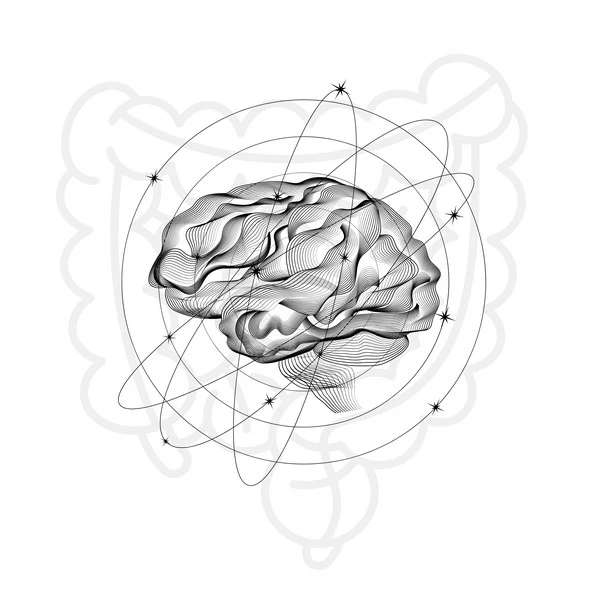
Your gut and brain talk all day. The vagus nerve carries signals between the gut and brain. Immune cells also send messages when the gut lining is irritated. Gut bacteria make compounds that can affect inflammation, stress response and brain chemistry. Human research links gut microbiome changes with mood disorders, anxiety and depression, though cause and effect are still being studied (1).
Microbes & Mood
Gut bacteria help break down food and make small compounds from it. Some of these compounds reach the blood. Others act inside the gut and change immune signals. The brain can feel the effect because the immune system and nervous system are closely linked. Poor gut balance can keep the body in a more irritated state.
Mood is not only a brain chemistry problem. Digestion, sleep, blood sugar and immune stress can all change how a person feels. A gut problem can make the stress system more reactive. A person may feel wired, flat or anxious even when nothing obvious changed that day.
Research on psychiatric conditions has found gut microbiome differences in people with depression, anxiety and other mental health conditions. These findings do not prove the gut is the only cause. They do show a real body link that deserves attention instead of being dismissed as vague wellness talk (2).
Stress Loop
Stress changes the gut. It can slow or speed digestion, change stomach acid and alter gut movement. It can also change the gut lining and gut bacteria. The gut then sends stress signals back to the brain. A person can get stuck in a loop where stress harms digestion and poor digestion worsens stress (3).
Inflammation & Mood
Gut Barrier
The gut lining works like a selective gate. It should let digested nutrients through and keep unwanted material out. When the gut barrier becomes irritated, immune cells can stay more active. That can raise inflammatory signals that affect mood, focus and fatigue.
Inflammation can change how the brain handles stress. It can affect sleep, motivation and pain sensitivity. People often describe this as low mood or low drive, but the body may be dealing with immune strain. Gut irritation is one common source of that strain.
Immune Signals
The immune system does not sit separate from the brain. Immune chemicals can affect brain cells and stress hormones. Research links inflammation with depression symptoms in some people. Gut problems can feed that process when the lining stays irritated or the microbiome shifts in a worse direction (4).
A gut based plan should lower irritation first. Sugary foods, seed oils, fortified grains and ultra processed foods can all work against that goal. They can strain blood sugar and feed poor digestion. Removing those foods often gives a clearer signal than adding several gut products.
Short Chain Fats
Some gut bacteria make short chain fats when they break down certain food compounds. Butyrate is one of the best known. It can support the gut lining and influence immune balance. Reviews also link short chain fats with brain inflammation, blood brain barrier function and stress biology (5).
Fiber is often treated as the only route to these compounds. That view is too narrow. The body also makes important gut and energy compounds from protein and fat metabolism. Some people feel worse with high fiber plans because they already have bloating, gas or gut irritation. Food tolerance matters more than forcing large plant loads.
Fermented dairy can be a better fit for some people. Plain kefir and aged cheese can bring microbial compounds without the sugar found in many gut health products. People with histamine trouble may still react. Bloating, flushing, itching or headaches after fermented food should be taken seriously.
Blood Sugar
Blood sugar swings can feel like anxiety. A high carbohydrate meal can bring a short lift and a later crash. The crash can bring shakiness, irritability and low focus. Many people blame mood alone when unstable fuel is part of the problem.
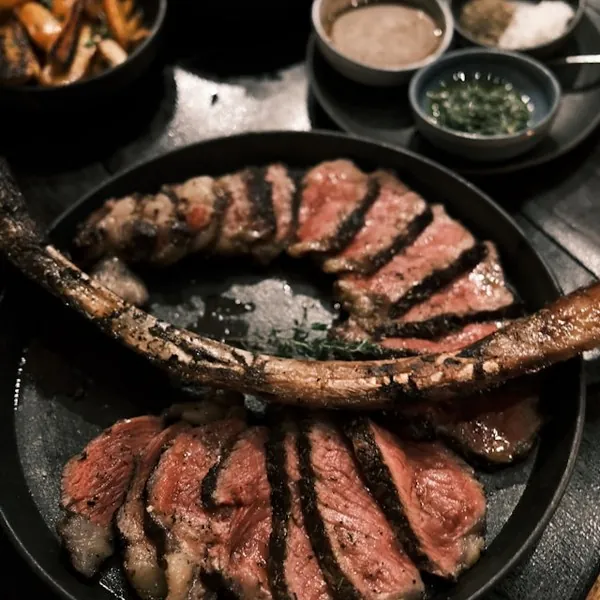
A steadier diet often calms the system. Grass fed ruminant meat, organs, pasture raised eggs and stable animal fats give long lasting fuel. Butter, ghee and tallow are better choices than seed oils. Lower carbohydrate meals can reduce energy swings and make mood easier to read.
Food & Daily Habits
Better Food Base
The gut lining needs real repair material. Complete protein gives amino acids for tissue renewal and immune work. Grass fed ruminant meat, organs and pasture raised eggs give dense nutrition in a form the body can use. Wild seafood can also help when tolerated.
Animal fats support steady food intake. Low fat eating can leave people hungry and underfed. A weak food base makes stress harder to handle because the body lacks raw material. Gut health plans often fail when they add powders while meals stay poor.
Avoid fortified grains, seed oils and ultra processed foods. These foods can irritate digestion and make energy less stable. Many gut health snacks still carry sugar, gums and processed starch. A healthy label does not make a processed food good for the gut.
Fermented Foods
Fermented foods can help some people. Plain kefir, aged cheese and small amounts of sauerkraut may support digestion when tolerated. Start low because fermented foods can cause reactions in sensitive people. More is not better when the gut is already irritated.
Sleep & Rhythm
Sleep changes the gut microbiome and the stress system. Poor sleep can raise cravings, worsen blood sugar and make digestion more reactive. The next day often feels like anxiety or low mood. The body is trying to function with poor recovery.
Morning sunlight helps set the body clock. Regular meal timing also gives the gut a rhythm. Eating late at night can disturb sleep and digestion in some people. A steady rhythm gives the gut and brain fewer mixed signals.
Strength training also helps the gut brain link. Muscle work improves blood sugar handling and sends repair signals through the body. Walking after meals can help digestion and blood sugar. Hard training needs enough food and sleep or it can become another stress.
Supplements & Caution
Probiotics
Some trials suggest probiotics and related gut products can help mood symptoms in certain people. Systematic reviews often find mixed results because strains, doses and study groups differ. A product with one strain cannot borrow all evidence from another strain. Human data support careful use, not broad claims for every bottle (6).
A probiotic should have a clear strain, dose and reason. People with bloating may react badly to some products. Gas, loose stool and worse sleep mean the product may be wrong. A better plan changes one thing at a time.
Prebiotics
Prebiotics feed certain gut bacteria. They can help some people, but they can also worsen bloating and gas. People with sensitive digestion should avoid large doses at the start. A slow test works better than forcing a large scoop every day.
Food tolerance should guide the plan. Some people do better with fermented dairy than with high fiber powders. Others need a short period of simpler meals before adding anything. Digestive comfort gives useful feedback.
Medication Context
People using psychiatric drugs, immune drugs or several medications need extra caution with gut supplements. Natural products can still change digestion, absorption and side effects. A gut plan should not create extra confusion around medication response. Keep changes simple and tracked.
For any health concerns or questions about a medical condition, get guidance from a physician or another appropriately trained clinician. Before changing your diet, supplements or health routine, talk with a licensed healthcare professional.
FAQs
Can Gut Health Affect Mental Health?
Yes. The gut can affect mood through nerves, immune signals, microbial compounds and stress hormones. The link is real, but it is not the only cause of mental health problems.
Can Poor Gut Health Cause Anxiety?
Poor gut health may add to anxiety in some people. Gut irritation can raise stress signals and blood sugar swings can feel like anxiety. Other causes still need attention.
Do Probiotics Help Mood?
Some probiotic trials show mood benefits, but results are mixed. Strain, dose and person matter. A product should match human research as closely as possible.
Which Foods Support The Gut Brain Link?
Grass fed ruminant meat, organs, pasture raised eggs, wild seafood and fermented dairy are strong options. Avoid seed oils, fortified grains and sugary gut health products.
Can Stress Damage Gut Health?
Yes. Stress can change gut movement, stomach acid, barrier function and gut bacteria. Poor gut function can then send more stress signals back to the brain.
Research
Morais, L.H. et al. 2021. The gut microbiota brain axis in behaviour and brain disorders. Nature Reviews Microbiology. DOI: 10.1038/s41579-020-00460-0. PMID: 33093662.
Nikolova, V.L. et al. 2021. Perturbations in gut microbiota composition in psychiatric disorders. JAMA Psychiatry. DOI: 10.1001/jamapsychiatry.2021.2573. PMID: 34546313.
Tan, H.E. et al. 2023. The microbiota gut brain axis in stress and depression. Frontiers in Neuroscience. DOI: 10.3389/fnins.2023.1151478. PMID: 36937923.
Miller, A.H. et al. 2009. Inflammation and its discontents. The role of cytokines in the pathophysiology of major depression. Biological Psychiatry. DOI: 10.1016/j.biopsych.2008.11.029. PMID: 19150053.
Dalile, B. et al. 2019. The role of short chain fatty acids in microbiota gut brain communication. Nature Reviews Gastroenterology & Hepatology. DOI: 10.1038/s41575-019-0157-3. PMID: 31123355.
Mosquera, F.E.C. et al. 2024. Effectiveness of psychobiotics in the treatment of psychiatric and cognitive disorders. A systematic review of randomized clinical trials. Nutrients. DOI: 10.3390/nu16091359. PMID: 38681926.
Cryan, J.F. et al. 2019. The microbiota gut brain axis. Physiological Reviews. DOI: 10.1152/physrev.00018.2018. PMID: 31460832.
Clapp, M. et al. 2017. Gut microbiota’s effect on mental health. The gut brain axis. Clinics and Practice. DOI: 10.4081/cp.2017.987. PMID: 29071061.
Loh, J.S. et al. 2024. Microbiota gut brain axis and its therapeutic applications in neurodegenerative diseases. Signal Transduction and Targeted Therapy. DOI: 10.1038/s41392-024-01743-1. PMID: 38486088.
Cao, Y.Y. et al. 2025. Gut microbiota variations in depression and anxiety. Translational Psychiatry. DOI: 10.1038/s41398-025-03341-9. PMID: 40267116.
Mehta, I. et al. 2025. Gut Microbiota and Mental Health. A Comprehensive Review of Gut Brain Interactions in Mood Disorders. Cureus. DOI: 10.7759/cureus.81257.
Ataei, P. et al. 2026. The gut brain connection. Microbes influence on mental health and behavior. Frontiers in Microbiomes. DOI: 10.3389/frmbi.2025.1701608.
Eskandar, K. et al. 2025. The gut brain axis in depression, anxiety, and schizophrenia. Middle East Current Psychiatry. DOI: 10.1186/s43045-025-00585-z.
Delanote, J. et al. 2024. Systematic identification of the role of gut microbiota in mental health. Scientific Reports. DOI: 10.1038/s41598-024-53929-w.
Lian, J. et al. 2026. Pre pro and synbiotics on anxiety and depression symptoms. A systematic review and meta analysis. Annals of General Psychiatry. DOI: 10.1186/s12991-026-00661-6.