Key Takeaways
- Postbiotics are inactive microbes, cell parts or compounds made during fermentation.
- Prebiotics feed bacteria, while postbiotics send signals to the gut and immune system.
- Some human trials show better inflammation markers after postbiotic use.
- Evidence is still uneven because products, strains and doses vary a lot.
- Fermented dairy, aged cheese and kefir are better than sugary gut health products.
Postbiotics Basics
Gut Signals
Postbiotics are made from microbes after they are no longer alive. They can include inactive bacteria, cell wall parts, proteins, enzymes and compounds made during fermentation. The current scientific definition describes a postbiotic as a preparation of inactive microbes or their parts that gives a health benefit to the person taking it (1).
Bacteria Food
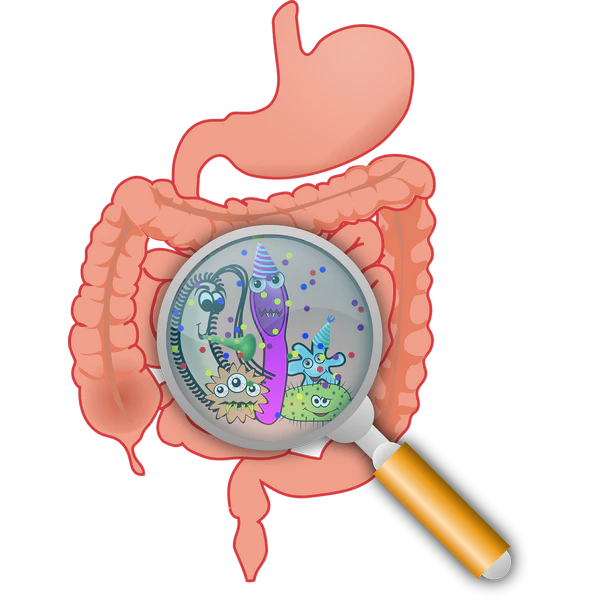
Prebiotics feed gut bacteria. Postbiotics work differently. They give the gut microbial material that can speak to the gut lining, immune cells and local repair systems. Some postbiotics may help shift the gut environment in a better direction, but they are not mainly bacterial food in the usual sense.
Postbiotics also avoid one problem with probiotics. Live probiotics must survive storage, stomach acid and bile. Inactive microbes do not need to stay alive to have an effect. That can make postbiotic products more stable and easier to standardize, although the product still needs real human evidence.
Inflammation Link
The gut lining sits close to immune tissue. When the gut barrier is weak, immune cells can stay on high alert. Some postbiotics appear to help the barrier and change inflammatory signals. Reviews describe effects on epithelial barrier support, immune regulation and inflammatory pathways (2).
Human Evidence
Stronger Evidence
A 2024 clinical trial tested postbiotic supplementation in patients with cerebrovascular accident. The study reported better inflammatory markers and oxidative stress markers. Pneumonia risk also went down in the postbiotic group. Other outcomes did not clearly change, including some clinical severity scores and gut microbiota profile (3).
A 2025 review on inflammation described postbiotics as promising in inflammatory conditions. The same review still called for larger clinical trials and better dose work. That is important because postbiotics are not one thing. A heat killed Lactobacillus product may act differently from another strain or a fermented food extract (4).
Gut Barrier
The gut barrier controls what passes from the gut into the body. A stronger barrier can lower immune irritation from unwanted gut contents. Some postbiotics can raise mucus support, tight junction activity and local immune balance in lab and animal work. Human evidence exists, but it is still less complete than the marketing suggests.
Postbiotics may calm inflammation partly by helping the gut lining behave better. They may also change how immune cells react to microbial material. The effect depends on the exact strain and preparation. A label that says postbiotic does not prove the product has the same effect as the study someone quotes.
Human evidence is strongest when a finished product was tested in people. General claims from cell studies should be treated with caution. Gut supplement companies often borrow evidence from one strain and apply it to a different product. Strain names and dose should match the research as closely as possible.
Postbiotics may also work without changing the whole gut microbiome. The 2024 trial found better inflammatory and oxidative stress markers, but no clear change in gut microbiota profile. That means the benefit may come through immune or barrier signaling rather than feeding good bacteria directly (3).
Metabolic Health
Postbiotics are also being studied in obesity and metabolic health. A 2025 systematic review found possible benefits for body weight and metabolic markers, but the evidence was still limited by differences between studies. Product type, dose and study length all changed the result (5).
Metabolic inflammation often starts before a person feels sick. Poor blood sugar control, poor sleep and processed food can keep the immune system irritated. Postbiotics may help some markers, but they cannot cancel a daily routine that keeps the gut and metabolism under stress.
Foods & Daily Base
Fermented Dairy
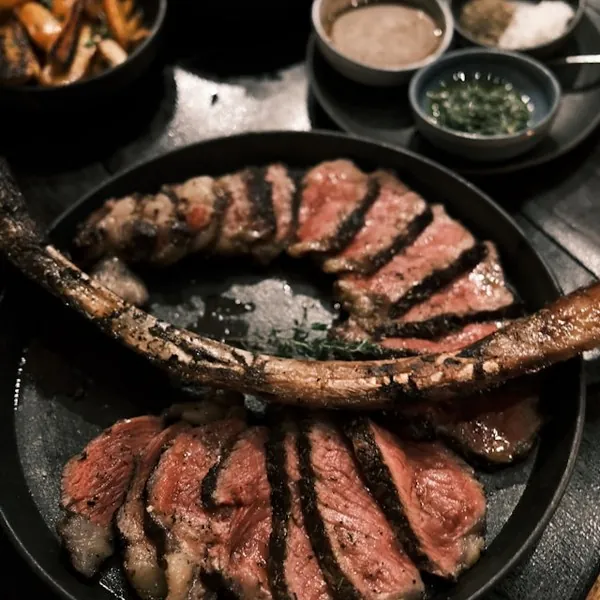
Kefir and aged cheese are better examples than sweetened gut health snacks. They bring fermentation compounds in a real food package. Kefir can provide live microbes and postbiotic compounds. Aged cheese can contain bacterial byproducts from fermentation. Plain versions make more sense than sugary products with added gums and flavorings.
Protein & Fat
Gut repair needs enough protein. The gut lining renews quickly, and the immune system also needs amino acids. Grass fed ruminant meat, organs and pasture raised eggs provide complete protein and useful minerals. Wild seafood can also fit well. These foods give the body material for repair without relying on fortified products.
Stable animal fats also help keep food intake steady. Butter, ghee and tallow are better choices than seed oils. Seed oils can add excess fragile fats to the diet. A gut plan should remove the main irritants before adding another supplement. Low quality food can keep the gut inflamed.
Carbohydrates should stay low enough to avoid blood sugar swings. Frequent sugar and starch can feed cravings and make energy unstable. Many gut health products are still sweet processed foods with a healthy label. The label may say probiotic or postbiotic, but the sugar still works against the goal.
Fermented Foods
Fermented foods can help some people, but they do not suit everyone. People with histamine trouble may react poorly. Bloating, flushing, itching or headaches after fermented foods should be taken seriously.
Fermented plant foods also need a careful eye. Soy based fermented foods are not ideal for many people. Grain based options are poor choices for anyone avoiding gluten, lectins or high phytate foods.
Risks & Smarter Use
Product Quality
Postbiotic labels can be loose. A good product should name the strain, dose and finished form. Human research on that exact product gives better confidence than broad claims about postbiotics. A vague blend with no strain data is much harder to judge.
Some products also add sweeteners, fibers, gums and flavoring agents. Those extras can bother the gut more than the postbiotic helps. A person may blame the postbiotic when the added ingredients caused gas or loose stool. Clean labels make reactions easier to understand.
Immune Caution
Postbiotics are inactive, but they still talk to the immune system. That is part of their value. People with complex immune disease or serious illness should be careful. More immune signaling is not automatically better for every body.
Tracking Response
Track digestion first. Stool quality, bloating, reflux and cramping give fast feedback. Track skin and sleep too because gut irritation can show up outside the gut. A good response should feel steady, not dramatic. A bad response usually shows up as gas, loose stool or poor sleep.
Use one product at a time. Start with a small amount and keep food stable. Changing five things at once hides the cause of any reaction. The simplest test is steady meals, one postbiotic source and two to four weeks of tracking.
Postbiotics make the most sense after the main diet problems are removed. Cut sugary foods, seed oils, fortified grains and constant snacking first. Add enough protein and stable fat. Then a postbiotic has a better chance to show whether it helps the gut feel calmer.
For any health concerns or questions about a medical condition, get guidance from a physician or another appropriately trained clinician. Before changing your diet, supplements or health routine, talk with a licensed healthcare professional.
FAQs
Do Postbiotics Feed Good Bacteria?
Prebiotics feed bacteria more directly. Postbiotics give inactive microbes, microbial parts or fermentation compounds that can affect the gut lining and immune system.
Can Postbiotics Lower Inflammation?
Some human studies show better inflammatory markers after postbiotic use. The effect depends on the strain, dose, product and person using it.
Are Postbiotics Better Than Probiotics?
Postbiotics are more stable because the microbes do not need to stay alive. Probiotics may still help some people. The best choice depends on the exact product and goal.
Which Foods Contain Postbiotics?
Fermented foods can contain postbiotic compounds. Plain kefir and aged cheese are better choices than sweetened gut health products.
Can Postbiotics Cause Side Effects?
Yes. Some people get gas, loose stool, cramping or poor sleep. Reactions are more likely when products contain sweeteners, fibers or gums.
Research
Salminen, S. et al. 2021. The International Scientific Association of Probiotics and Prebiotics consensus statement on the definition and scope of postbiotics. Nature Reviews Gastroenterology & Hepatology. DOI: 10.1038/s41575-021-00440-6. PMID: 33948025.
Ma, L. et al. 2023. Postbiotics in Human Health: A Narrative Review. Nutrients. DOI: 10.3390/nu15020291. PMID: 36678189.
Rahimi, A. et al. 2024. Clinical trial of the effects of postbiotic supplementation on oxidative stress and inflammation in patients with cerebrovascular accident. Scientific Reports. DOI: 10.1038/s41598-024-76153-y. PMID: 39402150.
Zdybel, K. et al. 2025. Postbiotics Formulation and Therapeutic Effect in Inflammation. International Journal of Molecular Sciences. PMID: 40647290.
Li, S. et al. 2025. The effect of postbiotics supplementation on obesity and metabolic health: a systematic review and meta-analysis. Nutrition & Metabolism.
Mosca, A. et al. 2022. The clinical evidence for postbiotics as microbial therapeutics. Gut Microbes. DOI: 10.1080/19490976.2022.2117508.
Vinderola, G. et al. 2024. Frequently asked questions about the ISAPP postbiotic definition. Frontiers in Microbiology. DOI: 10.3389/fmicb.2023.1324565.
Maftei, N.M. et al. 2026. From Probiotics to Postbiotics: An Update on Their Mechanisms, Production and Applications in Human Health. Nutrients.
Asefa, Z. et al. 2025. Postbiotics and their biotherapeutic potential for chronic diseases. Frontiers in Microbiology.
Yilmaz, Y. et al. 2024. Postbiotics as antiinflammatory and immune modulating agents in metabolic dysfunction associated steatotic liver disease. Nutrients. PMID: 39499063.
Amobonye, A. et al. 2025. Postbiotics: an insightful review of the latest category in the functional food landscape. Foods.
Marco, M.L. et al. 2026. The International Scientific Association for Probiotics and Prebiotics consensus statement on the definition and scope of gut health. Nature Reviews Gastroenterology & Hepatology. DOI: 10.1038/s41575-026-01176-x.
Smolinska, S. et al. 2025. A Review of the Influence of Prebiotics, Probiotics, Synbiotics and Postbiotics in Inflammatory Bowel Disease. Journal of Clinical Medicine.
Zółkiewicz, J. et al. 2020. Postbiotics A Step Beyond Pre and Probiotics. Nutrients. DOI: 10.3390/nu12082189.
Żółkiewicz, J. et al. 2020. Postbiotics as the new frontier in food and pharmaceutical research. Nutrients.