Key Takeaways
- Copper supports energy production iron use nerve health and strong connective tissue each day.
- Healthy copper status helps enzymes blood cells skin vessels and tissue repair stay steady.
- Beef liver and oysters are among the richest whole food sources of copper.
- Copper helps the body use iron through ceruloplasmin and related enzyme systems.
- Low copper can show up with fatigue anemia weakness numbness and poor balance.
Copper In Daily Health
Energy
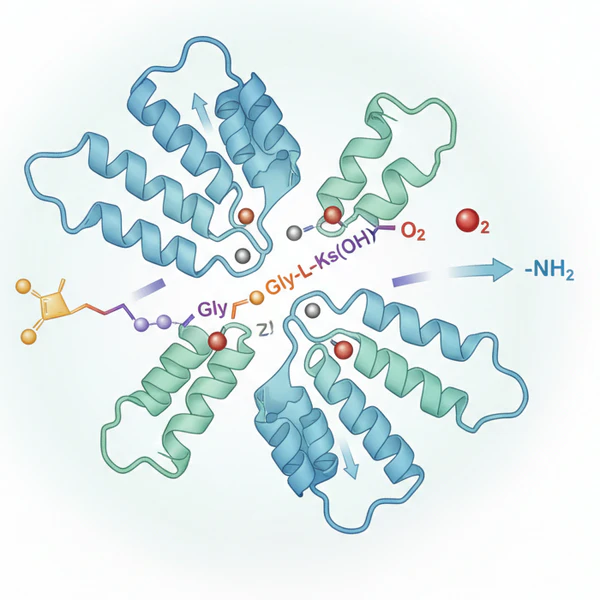
Copper helps the body make usable energy from food at the cell level. That link reaches into ordinary daily life because every tissue depends on steady fuel for movement repair warmth and clear thinking. Copper supports enzymes inside mitochondria, the small parts of cells that turn food into energy.
When copper status is sound these systems have better support and the body is better equipped to keep normal energy output going across the day (1, 2, 3).
Copper is often treated like a minor nutrient because the body needs only a small amount. The body uses it in core systems that help manage oxygen use oxidative stress and basic metabolism in many tissues. That gives copper a broad place in everyday wellness rather than a narrow place in rare deficiency discussions alone (4, 5).
Iron Balance
Copper also helps the body handle iron in a useful way. Ceruloplasmin is a copper carrying protein in blood that helps convert iron into a form that can be loaded onto transferrin for transport. That step helps explain why copper supports blood building and oxygen delivery instead of sitting off to the side as an unrelated trace mineral. When people only focus on iron intake they can miss part of the system that helps iron move and get used well (4, 5, 6).
This iron link gives copper real everyday value. Better iron use supports steadier blood formation and more reliable oxygen movement through the body. That can affect stamina recovery and the way a person feels through normal activity. Copper belongs in that wider mineral picture along with retinol and other nutrients that help the body move and use iron well rather than letting it accumulate in the wrong places.
Nerves Function
The nervous system also depends on copper for steady function because nerves need both energy and healthy tissue structure. Clinical reviews of copper deficiency describe numbness tingling weak gait poor balance and reduced sense of position in the feet. Those are deficiency findings rather than normal life findings, yet they still show that copper supports systems the nerves rely on every day (7, 8).
People often think first about magnesium when nerve health comes up and trace minerals get less attention. Copper deserves more space in the conversation because it helps maintain processes tied to nerve energy enzyme activity and tissue integrity over time.
Blood & Tissue Support
Blood Cell Support
Copper supports blood health through more than one route. Reviews on copper deficiency repeatedly describe anemia and low white blood cells, which shows that copper is involved in normal blood cell formation and immune cell balance. That does not mean every blood issue points back to copper, yet it does confirm that copper belongs in the physiology of blood building and maintenance (9, 8, 10).
A person does not need to think in lab terms to understand the value of this. Better blood support can mean steadier energy better exercise tolerance and fewer signs of strain from poor oxygen delivery. Copper helps underwrite those systems quietly in the background through normal daily physiology.
Connective Tissue Support
Copper also supports the parts of the body that depend on strong connective tissue, including blood vessels skin joints and structural proteins. Copper dependent enzymes help cross link collagen and elastin, which helps tissues keep strength and shape over time. This is one reason good copper status supports resilience in ways that people may notice through recovery skin quality and general tissue strength (4, 5).
That wider tissue support gives copper everyday value even when a person never thinks much about minerals at all. The body uses copper in the background to maintain structure as well as function and that helps explain why steady intake is worth attention.
Enzyme Defense
Copper also supports antioxidant enzymes that help manage the stress created during normal metabolism. One of the best known is superoxide dismutase, which helps control unstable oxygen byproducts before they build up and create more strain. A body making energy all day needs that kind of enzyme support and copper helps provide it (10, 5).
This gives copper another layer of daily usefulness. It supports energy output blood health and some of the cleanup work that helps cells cope with normal wear from being alive and active.
Copper Rich Foods
Animal Sources
Copper is easiest to get from nutrient dense animal foods that provide more usable nutrition per bite. Beef liver stands out as one of the richest whole food copper sources and oysters are another strong option. Other shellfish and organ meats can also help support intake without relying on fortified foods or heavily processed products that dilute nutrient density (10, 11).
A small serving of liver once or twice each week can provide a meaningful amount of copper. Oysters can do the same for people who enjoy seafood. This keeps the diet centered on foods that also bring protein retinol selenium and other useful nutrients in the same meal rather than isolating one nutrient from the rest of the diet.
Simple Meal Use
Copper rich foods do not need a complex plan. Pan seared liver with eggs works well for many people and grilled oysters with butter are another simple option. Ground beef mixed with a smaller amount of liver can also work well for people who do not want a full serving of liver by itself. These meals fit well into a nutrient dense animal based style of eating without adding extra steps or processed products.
Regular intake tends to work better than rare large servings. One or two copper rich meals each week can support steady intake and make the overall diet more robust without turning food into a project.
Better Diet Context
Copper works well inside a diet built around nutrient dense animal foods rather than a low fat processed eating style. This wider diet context supports copper while also helping intake of retinol iron selenium and other nutrients that work together in blood health tissue upkeep and steady energy. A meal structure of one to three solid meals each day can also make liver oysters eggs and meat easier to fit into normal life.
That kind of eating tends to work better than constant snacking and packaged convenience foods that add bulk without much nutritional depth. Copper fits best inside real food meals that carry a broader range of useful nutrients together.
Deficiency Signs
Common Signs
Low copper can show up with fatigue anemia low white blood cells numbness tingling weakness and poor balance. Some people also notice reduced exercise tolerance or a drained feeling that does not line up with effort alone. When several of these signs show up together copper deserves attention, especially if blood changes and nerve symptoms overlap (7, 9, 8).
These signs can build slowly and that makes them easy to brush aside at first. A slow shift in stamina balance or blood markers is still a real shift and copper status can be part of that picture in the right setting.
Higher Risk Groups
Some people face a higher chance of low copper than others. Risk rises with bariatric surgery long term gut disease poor absorption prolonged tube feeding and chronic high zinc exposure. Reviews on copper deficiency list these factors again and again and they are common enough to keep on the radar when symptoms start to stack up (8, 10).
Copper deficiency can appear after poor food intake, heavy zinc use, gut surgery, long term digestive trouble or long periods of unbalanced eating. Clinical reviews also describe deficiency in hospital and tube feeding settings, where low copper intake may go unnoticed for too long (Altarelli et al., 2019).
This is one reason simple nutrition advice often falls short. Two people can eat similar food and still have very different copper status if one absorbs poorly has a surgery history or has long term mineral imbalance. Because symptoms can affect blood, nerves, and vision at the same time, copper deserves attention when a person has more than one unexplained issue. A full history helps more than guessing from one lab result alone.
Everyday Value
Copper also has links to lipid biology and broader metabolic function. Some human work and reviews suggest low copper can accompany less favorable lipid findings while other data stay mixed. The firmer point for this article is that copper supports core systems tied to energy blood health nerve function and tissue integrity and that alone gives copper clear everyday value (12, 13).
Supplement Care
Copper glycinate is a well absorbed form when food intake falls short (DiSilvestro et al., 2012). It binds copper to glycine, which helps gentle absorption and reduces stomach upset.
This form supports ceruloplasmin production and proper iron handling. It also supports energy, nerve signaling, and immune balance.
Most people do well with two milligrams daily when labs or symptoms point to need. Food remains the foundation, with supplementation used as steady support when needed (NIH ODS, 2022).

Credit – Amazon.com
Before changing your diet, supplements, or health routine, talk with a licensed healthcare professional. For any health concerns or questions about a medical condition, get guidance from a physician or another appropriately trained clinician.
FAQs
What does copper do for everyday health?
Copper helps the body make energy move iron support nerves and maintain strong connective tissue. It also supports enzymes used throughout the body.
Which foods give the most copper?
Beef liver and oysters are among the richest sources. Other shellfish and organ meats can also help support intake.
Can copper support energy levels?
Copper helps energy production inside cells and steady copper status supports the systems that help maintain normal daily energy.
Who is more likely to run low in copper?
People with bariatric surgery gut disease poor absorption or long term high zinc exposure are more likely to develop low copper.
What are common signs of copper deficiency?
Common signs include anemia low white blood cells fatigue numbness tingling weakness and poor balance.
Research
Turnlund, J.R. (1998) Human whole body copper metabolism. The American Journal of Clinical Nutrition, 67(5 Suppl), pp. 960S to 964S. DOI: 10.1093/ajcn/67.5.960S. PMID: 9587136.
Cobine, P.A., Moore, S.A. and Leary, S.C. (2021) Getting out what you put in: Copper in mitochondria and its impacts on human disease. Biochimica et Biophysica Acta Molecular Cell Research, 1868(1), 118867. DOI: 10.1016/j.bbamcr.2020.118867. PMID: 32979421.
Garza, N.M., Swaminathan, A.B., Maremanda, K.P., Zulkifli, M. and Gohil, V.M. (2023) Mitochondrial copper in human genetic disorders. Trends in Endocrinology and Metabolism, 34(2), pp. 88 to 101. DOI: 10.1016/j.tem.2022.11.001. PMID: 36435678.
Uauy, R., Olivares, M. and Gonzalez, M. (1998) Essentiality of copper in humans. The American Journal of Clinical Nutrition, 67(5 Suppl), pp. 952S to 959S. DOI: 10.1093/ajcn/67.5.952S. PMID: 9587135.
Prohaska, J.R. (2014) Impact of copper deficiency in humans. Annals of the New York Academy of Sciences, 1314(1), pp. 1 to 5. PMID: 24517364.
Takahashi, A. (2022) Role of Zinc and Copper in Erythropoiesis in Patients on Hemodialysis. Journal of Renal Nutrition. DOI: 10.1053/j.jrn.2022.02.007. PMID: 35248722.
Kumar, N. (2006) Copper deficiency myelopathy human swayback. Mayo Clinic Proceedings, 81(10), pp. 1371 to 1384. PMID: 17036563.
Myint, Z.W., Oo, T.H., Thein, K.Z., Tun, A.M. and Saeed, H. (2018) Copper deficiency anemia review article. Annals of Hematology. DOI: 10.1007/s00277-018-3407-5. PMID: 29959467.
National Institutes of Health, Office of Dietary Supplements (2022) Copper, Health Professional Fact Sheet.
Klevay, L.M. (2011) Is the Western diet adequate in copper? Journal of Trace Elements in Medicine and Biology, 25(4), pp. 204 to 212. DOI: 10.1016/j.jtemb.2011.08.146.
Altarelli, M., Ben Hamouda, N., Schneider, A. and Berger, M.M. (2019) Copper deficiency: causes, manifestations, and treatment. Nutrition in Clinical Practice, 34(4), pp. 504 to 513. PMID: 31209935.
DiNicolantonio, J.J., Mangan, D. and O’Keefe, J.H. (2018) Copper deficiency may be a leading cause of ischaemic heart disease. Open Heart, 5(2), e000784.
Blades, B., Ayton, S., Hung, Y.H., Bush, A.I. and La Fontaine, S. (2021) Copper and lipid metabolism: A reciprocal relationship. Biochimica et Biophysica Acta General Subjects, 1865(11), 129979. DOI: 10.1016/j.bbagen.2021.129979. PMID: 34364973.
Klevay, L.M. (2025) Poor Vision from Copper Deficiency. Current Nutrition Reports. DOI: 10.1007/s13668-025-00712-6. PMID: 41269469.
Linder, M.C. (2016) Ceruloplasmin and other copper binding components of blood plasma and their functions: an update. Metallomics, 8(9), pp. 887 to 905.
Petrak, J. and Vyoral, D. (2005) Hephaestin a ferroxidase of cellular iron export. The International Journal of Biochemistry and Cell Biology, 37(6), pp. 1173 to 1178.