Key Takeaways
- Creatine helps muscles make quick energy for short, hard work.
- Creatine is not a steroid and does not act like one.
- Healthy adults usually tolerate creatine monohydrate very well in research.
- A small rise on the scale often means more water in muscle.
- Simple daily use works well, even without a loading phase.
Creatine In Plain Terms
What Creatine Means
Creatine is a natural compound found in muscle tissue. The body also makes some creatine from amino acids, and animal foods like beef and fish add more.
Inside muscle, creatine helps refill ATP, which is the main fuel used for short bursts of hard effort such as lifting, sprinting, or jumping (Persky and Brazeau, 2001).
Early human work showed that oral creatine can raise muscle creatine stores in healthy adults (Harris et al., 1992).
A later trial found better repeated high effort output after supplementation (Greenhaff et al., 1993).
Why Myths Spread
Creatine sits in a strange place. It is sold as a supplement, used by athletes, and often linked with gym culture. Some myths grew from confusion with steroids.
Others came from short term water gain, which some people took as a bad sign.
A few fears came from blood lab mix ups, because creatine and creatinine sound alike but mean different things in practice.
Common Mix Ups
Steroid Confusion
One common myth says creatine is a steroid. That claim is false. Creatine is a natural compound stored in muscle and found in foods.
Anabolic steroids are hormone drugs. They work in a very different way.
Creatine helps the body recycle quick energy during hard effort. Steroids act on hormone pathways and can change tissue growth through a different route.
These are not the same class of substance, and they should not be treated as the same thing (Kreider et al., 2017).
Only For Bodybuilders
Another myth says creatine is only for large men who lift weights. Research does not support that narrow view. Creatine has been studied in resistance training, repeated sprint work, and aging.
In older adults, meta-analyses found that creatine used with resistance training can improve lean tissue gains and strength more than training alone (Devries and Phillips, 2014; Chilibeck et al., 2017).
Creatine use goes well beyond bodybuilding. Women, older adults, and team sport athletes may all choose it for practical reasons such as strength, work output, or training support.
Research in younger and older adults also shows the response can vary from person to person (Rawson and Volek, 2003; Rawson and Venezia, 2011).
Creatine Is For Training Output
Creatine is for training output, not fat burning.
Safety Fears
Kidney Damage Claim
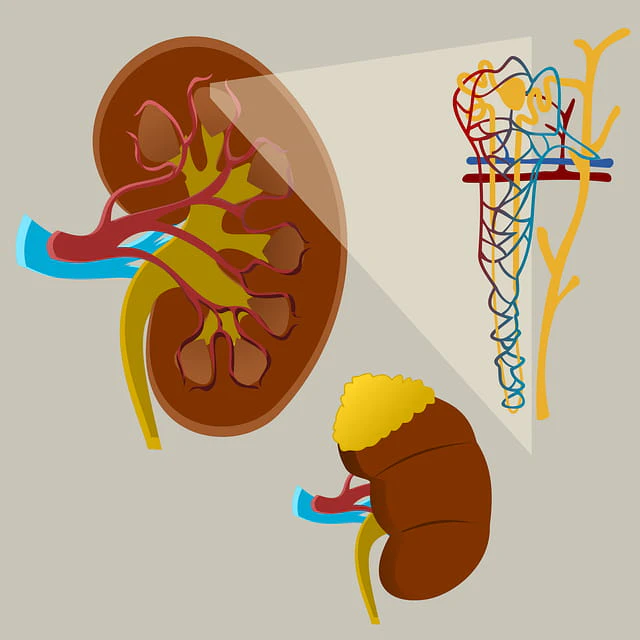
The most common fear is kidney harm. In healthy people, this claim has not been supported by the large body of creatine research.
The International Society of Sports Nutrition position stand reviewed the literature and stated that creatine monohydrate is safe and effective for healthy people when used within studied ranges (Kreider et al., 2017).
People with kidney disease, a history of kidney problems, or complex medical needs should speak with a licensed clinician before use.
A second source of confusion comes from lab testing. Creatinine is a waste product used in kidney testing.
Because the names sound alike, some people assume creatine itself damages the kidneys. That leap goes too far. A lab number always needs context, health history, and proper review.
Cramps & Dehydration
Another old myth says creatine causes cramps, pulls water away from the rest of the body, or raises injury risk. The often cited fear does not line up well with published data.
In football players, creatine use did not raise the rate of cramps or injuries in the research record cited by sports nutrition reviews (Kreider et al., 1998; Kreider et al., 2017).
Good hydration still matters, of course. Hard training, heat, and long sessions all raise fluid needs. Yet blaming creatine for every cramp or hot day problem does not match the evidence.
Use vs Skip
| Use | Skip |
|---|---|
| Daily 3 to 5 grams | Expecting fat loss |
| Strength training | Random loading |
| Enough water | Skipping training |
| Enough protein | Ignoring stomach upset |
Scale Weight
Water Gain Panic
Some people stop creatine as soon as the scale goes up. That reaction misses what often happens first. Creatine can draw more water into muscle cells.
This may show up as a small and early rise in body weight. In many cases, that change reflects water held in muscle, not fat gain (Branch, 2003).
A pound or two in the first days or weeks can happen. The gain does not mean body fat suddenly increased.
Puffy Look Fear
A related myth says creatine always causes a bloated, soft look. Some people do notice stomach upset or a heavy feeling when they take too much at once.
Research on resistance training has also shown gains in fat free mass and strength with creatine use, which does not fit the idea of a soft or washed-out effect (Volek et al., 1999; Becque et al., 2000).
Creatine Use Check
Simple Use
Loading Required
Many lifters hear that a loading phase is a must. Loading can raise muscle stores faster, but it is not required for creatine to work. A steady daily dose can also raise muscle creatine over time.
The early storage studies help explain why both paths can work, though the time course differs (Harris et al., 1992).
For most healthy adults, creatine monohydrate is the best studied form.
Fancy blends and newer forms often cost more without showing a clear advantage over plain monohydrate in the main research base (Kreider et al., 2017).
Food vs Supplements
Food does supply creatine. Beef, lamb, and fish are common examples.
Even so, a supplement can offer a simple way to reach the dose used in studies without needing very large daily portions of meat or fish.
One early paper noted that a single 5 gram dose is roughly equal to the creatine in a large amount of fresh steak, which helps show why food alone may not match study doses for every person (Harris et al., 1992).
Creapure
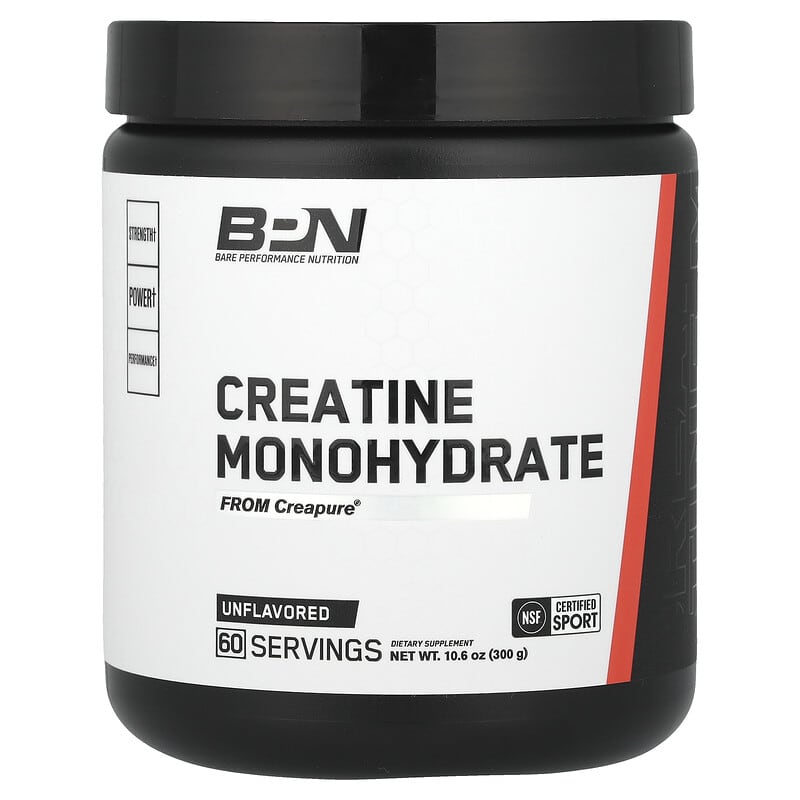
If you want added peace of mind on product quality, Creapure can be worth a look.
Creapure is a branded form of creatine monohydrate made in Germany and known for strict manufacturing standards and purity testing.
It is still creatine monohydrate, so the main performance benefits should be the same as other well made monohydrate products.
The difference is quality control, sourcing, and batch consistency rather than a unique effect in the gym.
For people who value trusted supply chains, Creapure can be a smart pick, even if it often costs more than standard monohydrate.
Whole foods still come first. Protein rich animal foods also provide iron, zinc, B12, and other key nutrients. A creatine supplement works best as an add on to a solid food base, not as a fix for poor eating or poor training.
For questions about a medical condition or symptoms, seek advice from a qualified clinician who can assess your situation. Consult a licensed healthcare professional before starting, stopping, or changing any diet, supplement, medication, or wellness practice.
Suggested Posts

Evidence Limits
Research
Kreider, R.B. et al., 2017 International Society of Sports Nutrition position stand: safety and efficacy of creatine supplementation in exercise, sport, and medicine. Journal of the International Society of Sports Nutrition, 14, 18.
Persky, A.M. and Brazeau, G.A., 2001 Clinical pharmacology of the dietary supplement creatine monohydrate. Pharmacological Reviews, 53(2), pp.161-176.
Harris, R.C., Söderlund, K. and Hultman, E., 1992 Elevation of creatine in resting and exercised muscle of normal subjects by creatine supplementation. Clinical Science, 83(3), pp.367-374.
Greenhaff, P.L. et al., 1993 Influence of oral creatine supplementation on muscle torque during repeated bouts of maximal voluntary exercise in man. Clinical Science, 84(5), pp.565-571.
Branch, J.D., 2003 Effect of creatine supplementation on body composition and performance: a meta-analysis. International Journal of Sport Nutrition and Exercise Metabolism, 13(2), pp.198-226.
Volek, J.S. et al., 1999 Performance and muscle fiber adaptations to creatine supplementation and heavy resistance training. Medicine and Science in Sports and Exercise, 31(8), pp.1147-1156.
Becque, M.D., Lochmann, J.D. and Melrose, D.R., 2000 Effects of creatine supplementation during resistance training on muscular strength and body composition. Journal of Strength and Conditioning Research, 14(2), pp.207-212.
Rawson, E.S. and Volek, J.S., 2003 Effects of creatine supplementation and resistance training on muscle strength and weightlifting performance. Journal of Strength and Conditioning Research, 17(4), pp.822-831.
Devries, M.C. and Phillips, S.M., 2014 Creatine supplementation during resistance training in older adults: a meta-analysis. Medicine and Science in Sports and Exercise, 46(6), pp.1194-1203.
Chilibeck, P.D. et al., 2017 Effect of creatine supplementation during resistance training on lean tissue mass and muscular strength in older adults: a meta-analysis. Open Access Journal of Sports Medicine, 8, pp.213-226.
Lanhers, C. et al. 2017. Creatine supplementation and lower limb strength performance: a systematic review and meta-analyses. Sports Medicine.
Kreider, R.B. et al. 1998. Creatine supplementation during football training does not increase the incidence of cramping or injury. Molecular and Cellular Biochemistry.
Earnest, C.P. et al. 1995. The effect of creatine monohydrate ingestion on anaerobic power indices, muscular strength and body composition. Acta Physiologica Scandinavica.
Balsom, P.D. et al. 1995. Creatine supplementation and dynamic high-intensity intermittent exercise. Scandinavian Journal of Medicine and Science in Sports.
Rawson, E.S., Clarkson, P.M. and Price, T.B. 2002. Differential response of muscle phosphocreatine to creatine supplementation in young and old subjects. Acta Physiologica Scandinavica.
Rawson, E.S. and Venezia, A.C. 2011. Use of creatine in the elderly and evidence for effects on cognitive function and muscle mass. Amino Acids.