Key Takeaways
- Oil pulling may help reduce bad breath, plaque and gum irritation.
- The research is promising, but most trials are small and limited.
- Coconut oil and sesame oil are the most studied options.
- Oil pulling should support brushing, flossing, saliva and real food.
- Do not swallow used oil because it contains mouth debris and bacteria.
Oil Pulling Basics
What It Is
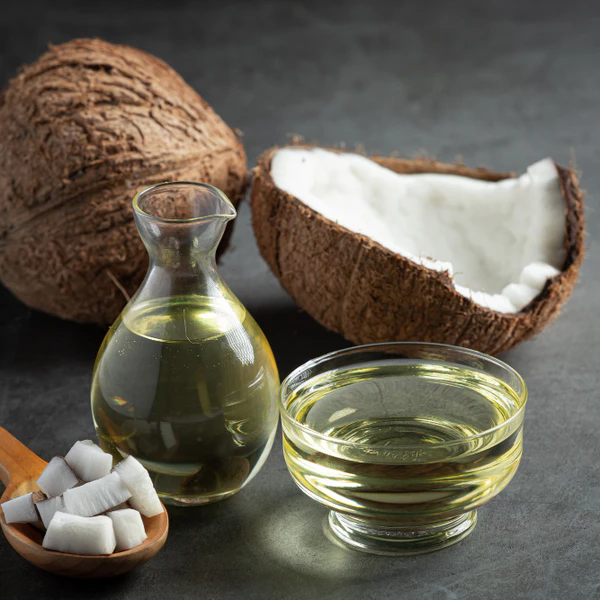
Oil pulling means swishing edible oil around the mouth, then spitting it out. Coconut oil and sesame oil are the most common choices.
The oil moves between the teeth, across the gums and over the tongue. It can loosen debris, mix with saliva and help lift some oily material from the mouth.
Modern research is smaller than the online claims, but the topic has been studied in trials and reviews.
A 2022 meta analysis found that oil pulling may reduce salivary bacterial counts, while effects on plaque and gum scores were less clear compared with controls (1).
How It May Help
Oil pulling may help by lowering some bacteria, reducing debris and changing the mouth feel.
It may also help some people pay more attention to oral care because the habit takes time. The oil itself still cannot scrape hardened tartar or fix gum disease.
A burning or harsh feeling is not required. If the jaw gets tired, the session is too long or too forceful.
Gentle movement is enough. The oil should be spat into trash, not the sink, because oil can clog drains.
Breath Support
Bad Breath
Bad breath can come from tongue coating, gum disease, dry mouth, tooth decay, reflux, tonsil stones or food trapped between teeth.
Oil pulling may help when odor comes from mouth bacteria and loose debris.
A randomized pilot trial found that sesame oil pulling reduced halitosis and related microorganisms, with chlorhexidine also effective (2).
Bad breath that keeps returning needs the cause found. Oil can make the mouth feel cleaner, but it does not treat a cavity, infected gum pocket or reflux.
Daily bad breath with bleeding gums should be checked. Masking odor while plaque stays under the gumline can let a real problem grow.
Tongue Coating
The tongue can hold bacteria, dead cells and food debris. That coating can create sulfur smells.
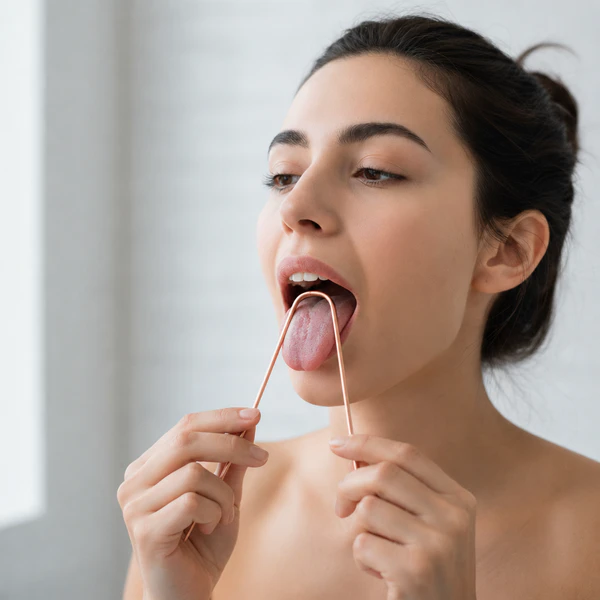
Oil pulling moves across the tongue surface, but it does not replace gentle tongue cleaning. A tongue scraper or soft brush can remove coating more directly.
Oil pulling may work best before brushing because it loosens material first. Spit the oil out, rinse with water, then brush and clean between the teeth.
That order keeps the oil from leaving a film after cleaning. It also makes brushing feel cleaner for some people.
Dry Mouth Raises Dental Risk
Dry mouth raises dental risk.
Gum Health
Plaque & Gingivitis
Plaque is sticky bacterial film. When plaque sits near the gumline, the gums can become red, swollen and easy to bleed.
Oil pulling may lower plaque and gum irritation in some trials. A 2015 study reported that coconut oil pulling reduced plaque and gingival scores in people with plaque related gingivitis (3).
A 2025 randomized trial found that sesame oil pulling reduced plaque more than distilled water after eight weeks (4).
The effect was stronger on some tooth surfaces than others. This supports oil pulling as a possible add on, not as the main cleaning tool.
A 2023 systematic review comparing oil pulling with chlorhexidine and other mouthwashes found probable benefit for gum health, while chlorhexidine was still stronger for plaque reduction (5).
Chlorhexidine has side effects like staining, taste change and more calculus, so stronger is not always better for casual long term use.
Bleeding Gums
Bleeding gums often mean plaque irritation or gum disease. Oil pulling may reduce surface bacteria, but it cannot clean deep pockets or remove tartar.
Tartar is hardened plaque, and a dentist or hygienist needs tools to remove it. If gums bleed often, oil pulling should never be the only plan.
The base of gum health is still mechanical cleaning. Brush the gumline gently with a soft brush.
Clean between the teeth with floss or small interdental brushes. Clean the tongue. Use oil pulling only as support if it helps your mouth feel cleaner.
Best Oils
Coconut Oil
Coconut oil is popular because it tastes mild and contains lauric acid. Lauric acid can form monolaurin, a compound studied for antimicrobial action.
A systematic review on coconut oil pulling found limited evidence that it may help oral health and dental hygiene, but the review also stressed the need for stronger trials (6).
Coconut oil can feel thick at cooler temperatures. It melts quickly in the mouth. Start with a small amount if the texture bothers you. Use plain coconut oil with no sweeteners or flavors.
Sesame Oil
Sesame oil has the longest traditional use and has been studied in several oral health trials. The 2025 sesame oil trial found better plaque reduction than water over eight weeks (4).
Sesame oil may feel thinner than coconut oil and may be easier to swish for some people.
People with sesame allergy should avoid sesame oil. The same applies to coconut allergy.
A natural oil is still a biologically active food substance. Stop if your mouth burns, swells, itches or feels irritated.
Oils To Avoid
Avoid seed oil habits in food, and do not turn oil pulling into a reason to swallow seed oils.
The oil used for pulling is spat out, so the main issue is local tolerance in the mouth. Choose a plain oil, use a small amount and spit it out fully.
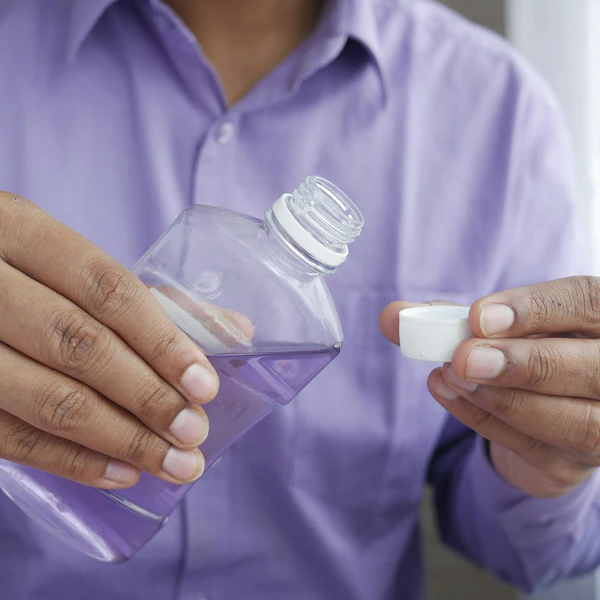
Avoid essential oils in home mixes unless a trained clinician gives a clear reason. Essential oils can irritate the mouth lining when used incorrectly.
Strong does not mean better. The mouth needs gentle support, not chemical burn.
Use vs Avoid
| Use | Avoid |
|---|---|
| Good saliva flow | Frequent sugar |
| Nasal breathing | Dry mouth |
| Gentle brushing | Harsh mouthwash |
| Mineral rich food | Mouth breathing |
How To Use It
Simple Routine
Use a small spoon of coconut oil or sesame oil.
- Swish gently for five to ten minutes at first.
- Spit it into trash.
- Rinse with water,
- then brush and clean between the teeth.
Longer sessions are not always better because jaw strain and gagging can make the habit harder to keep.
Many online routines suggest twenty minutes. That may be too long for many people.
A shorter routine done well is more useful than a long routine you hate. Keep the movement relaxed. Do not gargle, swallow or force the oil through the teeth aggressively.
Oil pulling works best in the morning or before brushing. It can also be used before bed if that fits your routine better.
The timing matters less than consistency and gentle use. If it makes your mouth feel worse, stop.
Safety
Do not swallow used oil. It contains saliva, debris and oral bacteria. Swallowing a tiny accidental amount is usually not a crisis, but swallowing it as a habit makes no sense. Spit it out.
Children should not oil pull unless they are old enough to swish safely and spit reliably. Anyone with swallowing problems should avoid it because aspiration is a risk.
Aspiration means liquid goes into the airway. Rare case reports have described lipid pneumonia after oil pulling when oil entered the lungs (7).
Mouth Risk Check
Oral Health Foundation
Brushing & Flossing
Oil pulling does not replace brushing. A toothbrush removes plaque by contact. Floss or interdental brushes clean between teeth where a brush cannot reach.
Oil can move around the mouth, but it cannot scrape sticky plaque off the gumline as well as physical cleaning.
Use gentle pressure. Hard brushing can wear gums and expose dentin, which can make teeth sensitive.
A soft brush and careful gumline cleaning work better than force. Clean between teeth daily if your gums can tolerate it.
Saliva & Food
Saliva protects the mouth. It buffers acid, washes debris and carries minerals toward tooth surfaces.
Dry mouth raises the risk of bad breath, cavities and gum irritation. Nose breathing, sleep, enough salt and water and real meals support saliva better than harsh mouthwash.
Food changes the mouth all day. Sugar, bread, crackers, cereal, sweets and sweet drinks feed acid producing bacteria and leave sticky residue.
Meat, eggs, seafood and animal fats give you protein, fat and minerals without a large sugar load. Fewer sugar hits give saliva more time to protect the teeth.
Better Breath Plan
A better breath plan starts with the cause. Clean the tongue. Clean between the teeth. Check for gum bleeding.
Avoid constant snacks and sweet drinks. Support saliva. If breath stays bad, check for reflux, tonsil stones, cavities or gum disease.
Oil pulling can be one useful add on when done gently. It may help breath and gum comfort for some people. The best results come when it sits inside a strong routine. Brushing, flossing, saliva, real food and dental care still carry the main weight.
For any health concerns or questions about a medical condition, get guidance from a physician or another appropriately trained clinician. Before changing your diet, supplements or health routine, talk with a licensed healthcare professional.
Suggested Posts

Evidence Limits
Research
Peng, T.R. et al. 2022. Effectiveness of oil pulling for improving oral health. Healthcare, 10(10), 1991. Available at: https://pmc.ncbi.nlm.nih.gov/articles/PMC9602184/
Asokan, S. et al. 2011. Effect of oil pulling on halitosis and microorganisms causing halitosis. A randomized controlled pilot trial. Journal of Indian Society of Pedodontics and Preventive Dentistry, 29(2), pp. 90 to 94. Available at: https://pubmed.ncbi.nlm.nih.gov/21911944/
Peedikayil, F.C. et al. 2015. Effect of coconut oil in plaque related gingivitis. A preliminary report. Nigerian Medical Journal, 56(2), pp. 143 to 147. Available at: https://pmc.ncbi.nlm.nih.gov/articles/PMC4382606/
Zürcher, C. et al. 2025. The plaque reducing efficacy of oil pulling with sesame oil. Clinical Oral Investigations, 29, 15. Available at: https://pmc.ncbi.nlm.nih.gov/articles/PMC11717832/
Ren, Y.F. et al. 2023. The effect of oil pulling in comparison with chlorhexidine and other mouthwashes in the treatment of gingivitis. A systematic review and meta analysis. International Journal of Dental Hygiene. Available at: https://onlinelibrary.wiley.com/doi/10.1111/idh.12725
Woolley, J. et al. 2020. The effect of oil pulling with coconut oil to improve dental hygiene and oral health. A systematic review. Heliyon, 6(8), e04789. Available at: https://pmc.ncbi.nlm.nih.gov/articles/PMC7475120/
Kim, J.Y. et al. 2014. Exogenous lipoid pneumonia after oil pulling. Yonsei Medical Journal, 55(4), pp. 1106 to 1109. Available at: https://pubmed.ncbi.nlm.nih.gov/24287874/
Sood, P. et al. 2014. Comparative efficacy of oil pulling and chlorhexidine on oral malodor. A randomized controlled trial. Journal of Clinical and Diagnostic Research, 8(11), ZC18 to ZC21. Available at: https://pmc.ncbi.nlm.nih.gov/articles/PMC4290321/
Raja, B.K. et al. 2021. Oral health effects of oil pulling. A systematic review of randomized controlled trials. Annals of Public Health and Dentistry, 2(2), pp. 1 to 8. Available at: https://journals.lww.com/aphd/fulltext/2021/19030/oral_health_effects_of_oil_pulling__a_systematic.5.aspx
Naseem, M. et al. 2017. Oil pulling and importance of traditional medicine in oral health maintenance. International Journal of Health Sciences, 11(4), pp. 65 to 70. Available at: https://pmc.ncbi.nlm.nih.gov/articles/PMC5654187/
Sezgin, Y. et al. 2023. Comparison of the plaque regrowth inhibition effects of oil pulling therapy with sesame oil or coconut oil using 4 day plaque regrowth study model. International Journal of Dental Hygiene. Available at: https://onlinelibrary.wiley.com/doi/abs/10.1111/idh.12532
Yaung, J. et al. 2025. A cross sectional analysis of oil pulling on YouTube Shorts. Dentistry Journal, 13(7), 330. Available at: https://www.mdpi.com/2304-6767/13/7/330
Asokan, S. et al. 2009. Effect of oil pulling on Streptococcus mutans count in plaque and saliva using Dentocult SM Strip mutans test. A randomized controlled triple blind study. Journal of Indian Society of Pedodontics and Preventive Dentistry, 27(1), pp. 12 to 17. Available at: https://pubmed.ncbi.nlm.nih.gov/19336860/
Asokan, S. et al. 2009. Mechanism of oil pulling therapy. In vitro study. Indian Journal of Dental Research, 20(1), pp. 47 to 51. Available at: https://pubmed.ncbi.nlm.nih.gov/19336860/
Shanbhag, V.K.L. 2017. Oil pulling for maintaining oral hygiene. A review. Journal of Traditional and Complementary Medicine, 7(1), pp. 106 to 109. Available at: https://pmc.ncbi.nlm.nih.gov/articles/PMC5198813/