Key Takeaways
- Beta glucans work differently depending on whether they come from yeast, mushrooms, oats or barley.
- Yeast beta glucans have the best human studies for cold and flu type symptoms.
- Oat and barley beta glucans are studied more for blood lipids than immune defense.
- Mushroom beta glucans may help, but products can differ a lot from brand to brand.
- A good beta glucan label should name the source, type, dose and testing.
Beta Glucan Basics
Different Sources
Beta glucans are found in yeast, mushrooms, oats and barley. These sources do not work the same way in the body. Yeast beta glucans are the main type studied for immune support. Oat and barley beta glucans are studied more for blood lipid changes.
A label that only says beta glucan does not tell you enough. You need to know where it comes from. You also need to know the type and amount. A yeast extract is very different from oat fiber powder or mushroom powder.
Yeast beta glucans are often listed as beta 1,3 1,6 glucans. These are the types with the clearest human data for upper respiratory symptoms. A 2021 review found that yeast beta glucans may lower the risk of upper respiratory infections in healthy people and may shorten symptom time in some people (1).
Yeast Forms
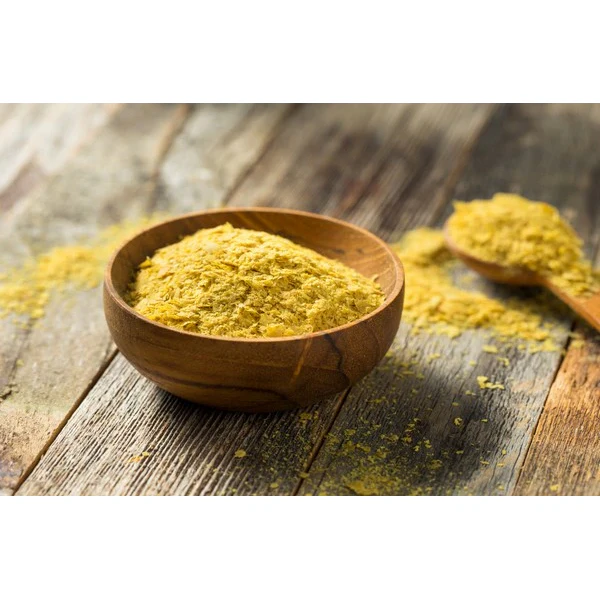
Yeast beta glucans have the strongest immune research among the common types. Most of the better studies use measured extracts from baker’s yeast. These products give a known amount. That makes them easier to study than a powder with an unclear dose.
One trial in stressed women found fewer upper respiratory symptoms after baker’s yeast beta glucan use. The same trial also found better mood scores. Stress can make normal immune defense weaker, so this kind of study gives useful information for real life use (2).
Athlete studies also give useful data. Hard training can put stress on the body for a short time. One marathon study found fewer upper respiratory symptoms with beta 1,3 1,6 glucan. Another study found higher salivary IgA and fewer cold or flu symptom days after hard exercise (3, 4).
Mushroom Forms
Mushrooms can contain beta glucans, and some people use them for immune support. Mushroom products can be very different from one another. A whole mushroom powder, a hot water extract and a mixed mushroom blend may not give the same amount.
A review of fungal beta glucans found human trials across different health areas. Results were not the same across all products. A good mushroom product should name the species, the extract type, the beta glucan amount and quality testing (5).
Immune Effects
Immune Response
Beta glucans may help your immune system respond more clearly. They do not force your immune system to work harder. Your body still needs sleep, enough food, sunlight, minerals and recovery to make good immune cells.
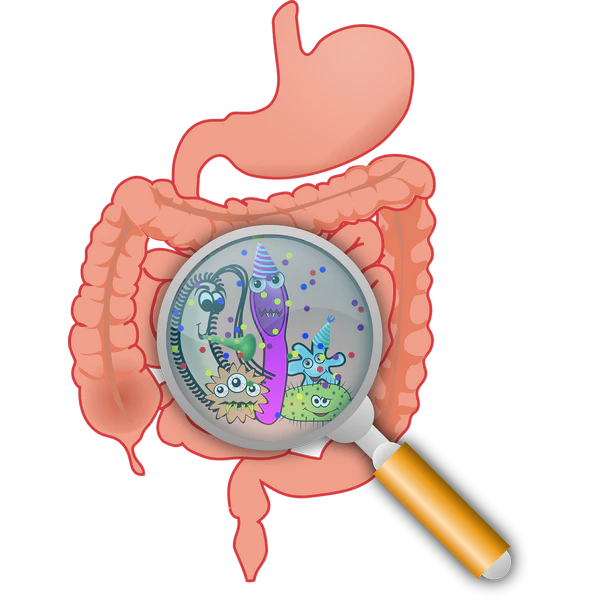
Your gut has many immune cells near the lining. Some beta glucans can also affect gut bacteria. Reviews describe possible effects on gut bacteria, immune signals and inflammation markers, but many details still need better human proof (6, 7).
Beta glucans may add one small helpful signal. They cannot make up for poor sleep, heavy stress or poor food quality. Your daily habits still do most of the work.
Cold Symptoms
The best immune evidence is for yeast beta glucans and upper respiratory symptoms. These symptoms include runny nose, sore throat and cough. The data is strongest when the product is a measured yeast extract.
Most studies look at healthy adults, stressed adults, athletes or older adults. One study in older adults tested yeast derived beta 1,3 1,6 glucan and looked at upper respiratory infection and innate immunity (8).
Yeast beta glucans may reduce symptom days or symptom risk in some people. They do not guarantee that you avoid colds. They also do not prove that every beta glucan product works the same way.
Stress Load
Stress can change immune defense. Poor sleep, long work pressure and hard training can leave some people feeling run down. Several yeast beta glucan studies used stressed people or athletes because these groups often show clearer changes.
Mood results appear in some studies, but they need caution. Mood can change for many reasons. Cold symptom data is easier to judge. A symptom day is clearer than a mood score.
Label Quality
Clear Labels
A useful label should name the source. Yeast, oat, barley and mushroom products should be judged separately. The label should also name the beta glucan type. For immune use, yeast beta 1,3 1,6 glucan is the clearest form to look for.
The label should list the amount per serving. A large mushroom powder serving does not prove a large beta glucan dose. A clean label gives the beta glucan amount instead of only listing total powder weight.
Testing is also important. Mushroom and fungal products can vary in quality. Heavy metal testing and identity testing help protect buyers. A vague label is a weak sign.
Grain Forms
Oat and barley beta glucans are mainly known for blood lipid research. They are not the best match when the goal is immune support. The studies often focus on LDL C, non HDL C and apoB, which belong to the standard lipid model (9, 10).
Oats and barley bring starch and plant compounds that may not suit people who avoid grains. A person keeping carbohydrates low will usually have little reason to add grain fibers for immune claims.
Cholesterol should not be treated as a disease by itself. A lower lab number does not prove stronger immunity. A lipid study does not answer the same question as a cold symptom study.
Dose & Use
Human studies use specific products and specific amounts. One product cannot copy another product just because both say beta glucan. A tested yeast extract is not the same as a mushroom blend with no clear beta glucan amount.
Most studies use daily intake for several weeks. The evidence says little about taking one large amount after symptoms start. Product quality, clear labeling and steady use are more useful than a random high dose.
Safety & Limits
Tolerance
Beta glucans are usually tolerated well in studies. Some people may notice gas, bloating or stool changes. These problems are more likely with large fiber doses or powders that contain more than beta glucans.
People with immune disorders, organ transplants or serious medical care should be more careful. Immune active products can be harder to judge in these settings. Pregnancy and serious illness also call for more caution.
A beta glucan product should have a clear label and clean testing. You should know what you are taking. A vague blend with no source, no amount and no testing is not a smart choice.
Best Use
The clearest use is a well labeled yeast beta glucan product during cold season, stress or hard training. The label should say yeast beta 1,3 1,6 glucan. It should also give a clear amount per serving.
Mushroom products need more checking. A better product lists the mushroom species, beta glucan amount and testing. Whole mushroom powder can be useful for some people, but it should not be treated like a tested yeast extract.
Grain based beta glucans make less sense for immune support. Oat and barley forms belong more to lipid research. People avoiding grains or keeping carbs low will usually have better reasons to choose a different source.
For any health concerns or questions about a medical condition, get guidance from a physician or another appropriately trained clinician. Before changing your diet, supplements or health routine, talk with a licensed healthcare professional.
FAQs
Are Beta Glucans Good For The Immune System?
Yeast beta glucans have the clearest human evidence for immune support. The strongest area is upper respiratory symptoms in healthy adults, stressed adults, athletes and older adults.
Which Beta Glucan Is Best For Immune Support?
Yeast beta 1,3 1,6 glucan has the strongest support for cold symptom studies. A good label should name the yeast source, the glucan type and the dose.
Are Mushroom Beta Glucans The Same As Yeast Beta Glucans?
Mushroom beta glucans and yeast beta glucans are different. Source, extract method, amount and product testing all change what you are really getting.
Do Oat Beta Glucans Help Immunity?
Oat beta glucans are studied more for blood lipid changes than immune support. They also come from grains, so they may not suit people who avoid grains.
Can You Take Beta Glucans Every Day?
Many studies use daily intake for several weeks. Daily use depends on the product, your health status and your tolerance.
Research
Zhong, K. et al., 2021. Effects of yeast β glucans for the prevention and treatment of upper respiratory tract infection in healthy subjects, a systematic review and meta analysis. European Journal of Nutrition. PMID 33900466.
Talbott, S.M. and Talbott, J.A., 2012. Baker’s yeast beta glucan supplement reduces upper respiratory symptoms and improves mood state in stressed women. Journal of the American College of Nutrition, 31(4), pp.295 to 300. DOI 10.1080/07315724.2012.10720441. PMID 23378458.
Talbott, S.M. and Talbott, J.A., 2009. Effect of beta 1,3 1,6 glucan on upper respiratory tract infection symptoms and mood state in marathon athletes. Journal of Sports Science & Medicine, 8(4), pp.509 to 515. PMID 24149590.
McFarlin, B.K. et al., 2013. Baker’s yeast beta glucan supplementation increases salivary IgA and decreases cold flu symptomatic days after intense exercise. Journal of Dietary Supplements, 10(3). DOI 10.3109/19390211.2013.820248. PMID 23927572.
Vlassopoulou, M. et al., 2021. Effects of fungal beta glucans on health, a systematic review of randomized controlled trials. Food & Function, 12(8), pp.3366 to 3380. DOI 10.1039/d1fo00122a. PMID 33876798.
Jayachandran, M. et al., 2018. A critical review on the impacts of β glucans on gut microbiota and human health. The Journal of Nutritional Biochemistry, 61, pp.101 to 110. PMID 30196242.
Karimi, R. et al., 2024. Interaction between β glucans and gut microbiota, a comprehensive review. Critical Reviews in Food Science and Nutrition. DOI 10.1080/10408398.2023.2192281. PMID 36975759.
Fuller, R. et al., 2017. Yeast derived β 1,3 1,6 glucan, upper respiratory tract infection and innate immunity in older adults. Nutrition, 39 to 40, pp.30 to 35. PMID 28606567.
Ho, H.V.T. et al., 2016. A systematic review and meta analysis of randomized controlled trials of the effect of barley β glucan on LDL C, non HDL C and apoB for cardiovascular disease risk reduction. European Journal of Clinical Nutrition. DOI 10.1038/ejcn.2016.129. PMID 27273067.
Llanaj, E. et al., 2022. Effect of oat supplementation interventions on cardiovascular disease risk markers, a systematic review and meta analysis of randomized controlled trials. European Journal of Nutrition, 61(4), pp.1749 to 1778. DOI 10.1007/s00394-021-02763-1. PMID 34977959.
Dharsono, T. et al., 2019. Effects of Yeast 1,3 1,6 Beta Glucan on Severity of Upper Respiratory Tract Infection Symptoms and Mood States in Healthy Marathon Athletes. Journal of the American College of Nutrition. DOI 10.1080/07315724.2018.1478339. PMID 30198828.
Singla, A. et al., 2024. Beta Glucan as a Soluble Dietary Fiber Source, Origins, Biosynthesis, Extraction, Purification, Structural Characteristics, Bioavailability, Biofunctional Attributes, Industrial Utilization, and Global Trade. Nutrients, 16(6), p.900. DOI 10.3390/nu16060900. PMID 38542811.