
Key Takeaways
- Anxiety can affect thoughts, sleep, mood, muscles, gut, and daily habits.
- Stress, poor sleep, sugar swings, and low minerals can raise symptoms.
- Common signs include dread, restlessness, fast heart rate, and tense muscles.
- Simple daily routines can help calm the body and ease fear.
- Iron, copper, and magnesium status deserve attention when signs fit.
Anxiety & The Body
The Alarm Response
Anxiety is a body alarm that helps a person react to threat. That alarm can be useful for a short time. It can sharpen focus before a test, a hard talk, or a real risk. Trouble starts when the alarm stays on for too long, gets set off too fast, or shows up with no clear threat at all (NIMH, 2024).
People with anxiety may feel tense before the day even starts. The mind may race from one fear to the next. The body may feel tight, shaky, hot, or sick. Sleep may get worse, and small tasks may start to feel huge. Over time, that stress can wear a person down.
When Anxiety Turns Chronic
Long term anxiety often affects both mind and body. A person may worry through the day, replay talks at night, and expect bad news even during calm times. The body may answer with fast pulse, poor sleep, chest flutter, jaw clench, loose stool, or stomach pain (NIMH, 2024a).
This loop can feed itself. Fear can tighten the body. A tight body can feel unsafe. That unsafe feeling can drive more fear. Daily relief often starts when that loop is seen clearly and handled from both sides.
Common Causes
Stress & Life Strain
Many things can set off anxiety symptoms. Work strain, money stress, grief, family conflict, trauma, illness, pain, and poor sleep can all push the nervous system into a watchful state. Some people also have a family history of anxiety, which may raise risk (Hettema et al., 2001).
Past fear can shape future fear. A bad panic spell, a crash, a hard breakup, or a shame filled event can teach the brain to link normal places or body feelings with danger. After that, a store, a crowd, or even a fast heartbeat may feel hard to bear.
Carbohydrates
Sugar, sweet drinks, white flour foods, and snacks can push blood sugar up and down through the day. That swing may bring shakiness, sweat, irritability, poor focus, and a sense of doom. Those feelings can look a lot like anxiety.
Research in this area is mixed, though some findings point toward harm from high intakes of refined carbohydrate foods. A large French cohort study found links between some carbohydrate intake patterns and worse anxiety status over time (Kose et al., 2022). A food pattern built on full meals, protein and animal fat may help reduce those swings for some people.
Iron, Copper & Magnesium
Low iron can overlap with anxiety in a very real way. Fatigue, pale skin, cold hands, weak exercise tolerance, short breath, poor focus, restless legs, and hair loss can show up beside fear and low mood. A large database study found higher rates of anxiety and other psychiatric disorders in people with iron deficiency anemia. Iron treatment within that group tracked with lower risk over time (Lee et al., 2020).
Copper helps with iron use, energy production, and nerve health. Human data are still limited. One study in Japanese workers found lower copper intake linked with more anxiety symptoms, while a later review noted that anxiety may also show up with copper overload (Nakamura et al., 2019; Totten et al., 2023). The key point is balance.
Magnesium helps nerves fire in a calm way, helps muscles relax, and supports the stress response. A systematic review found suggestive evidence that magnesium may ease subjective anxiety in some groups, though trial quality was uneven (Boyle et al., 2017).
Common Signs
Mood Signs
Anxiety often starts with worry that feels hard to shut off. A person may expect the worst, overthink simple choices, or feel dread before normal tasks. Poor focus, irritability, and a sense of inner pressure are also common signs. Some people say their mind feels loud all day and then even louder at night (NIMH, 2024a).
Fear can also change behavior. A person may seek lots of reassurance, delay tasks, cancel plans, or avoid places that feel too open, too crowded, or too far from home. Some people look highly capable on the outside while feeling strained all day inside.
Body Signs
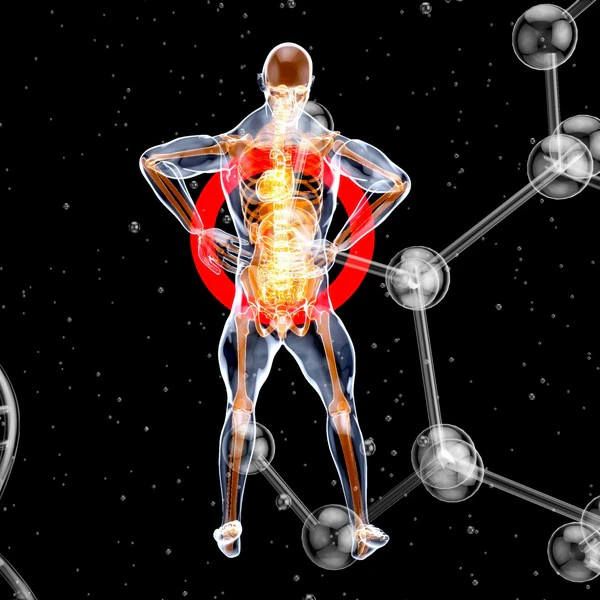
The body can carry anxiety in many ways. Common signs include muscle tension, jaw pain, fast heart rate, chest flutter, shallow breathing, sweating, nausea, bloating, loose stool, and dizziness. Sleep may become light and broken. Some people wake too early with a surge of dread before the day begins (NIMH, 2024).
These signs can feel scary. They also overlap with low iron, poor sleep, high caffeine intake, thyroid issues, and other health problems. That overlap is one reason a full health review can help when symptoms are strong or new.
Daily Changes
Daily life often gives the clearest clues. A person may start to:
- skip meals, graze through the day, or reach for sugar after stress
- avoid calls, errands, travel, or social plans
- check symptoms online over and over for short relief
- use more caffeine to push through poor sleep and fatigue
These habits can build a cycle that keeps fear in place. Poor sleep raises stress. More caffeine can worsen shakiness. Sugar swings can raise irritability. Avoidance can make the feared thing feel even bigger next time.
Daily Relief
Rest
Daily relief often starts with rhythm. Full meals eaten at set times can help reduce blood sugar swings and the stress of all day snacking. For many people, one to three solid meals work better than constant grazing. Meals built around protein, animal fat, and mineral rich foods can help a person feel more steady through the day.
Sleep also needs care. A set bedtime, dim light at night, morning sun, and less late caffeine can help calm a wound up system. Relief may be slow at first. The body often needs time to trust a safer pattern.
Mineral Repletion
Food should come first whenever possible. Red meat can help with iron. Liver and shellfish can help with copper and other trace minerals. Mineral rich whole foods and well chosen magnesium forms may help when intake is low or stress is high.
Copper glycinate and hydrosol are fine at recommended dosage. Lab work can guide next steps when fatigue, hair loss, pale skin, short breath, weak stamina, or long term anxiety point toward a nutrient problem. Guesswork is a poor plan when balance is the goal.
Support
The body often calms when it gets the right kind of input. Walking, light strength work, time outdoors, slow nasal breathing, and gentle stretching can help lower stress tone. A systematic review found exercise can reduce anxiety symptoms (Stonerock et al., 2015). Mindfulness training has also shown benefit in trials for anxiety disorders (Hoge et al., 2023).
Talk therapy can help too. Cognitive behavioral therapy has good evidence for anxiety relief across several anxiety disorders (Carpenter et al., 2018). A skilled therapist can help a person spot fear loops, reduce avoidance, and respond to body sensations with less panic. Relief tends to build from repeated daily steps. A simple plan may include full meals, less sugar, less caffeine, morning light, a walk, a short breathing drill, and a check on iron or magnesium status when symptoms fit.
For any health concerns or questions about a medical condition, get guidance from a physician or another appropriately trained clinician. Before changing your diet, supplements, or health routine, talk with a licensed healthcare professional.
FAQs
What are the most common anxiety symptoms?
Common symptoms include constant worry, restlessness, poor sleep, tense muscles, fast heart rate, sweating, stomach upset, and trouble focusing. Some people also feel dread, chest flutter, or a strong need to avoid stress.
Can sugar and refined carbs make anxiety worse?
They can for some people. Rapid blood sugar swings may bring shakiness, irritability, and a sense of panic. Those feelings can feed anxiety, especially when meals are skipped or sleep is poor.
Can low iron cause anxiety signs?
Low iron can show up with fear, fatigue, weak stamina, pale skin, poor focus, short breath, and restless legs. Testing can help sort out whether iron status is part of the picture.
How does magnesium help with anxiety?
Magnesium helps support calm nerve signaling, muscle ease, and stress response. Some studies suggest it may help ease anxiety symptoms, especially when stress load is high.
When should someone seek help for anxiety?
Help is wise when anxiety affects sleep, work, food intake, close ties, or daily function. New chest pain, fainting, major weight loss, or strong fatigue also call for prompt medical review.
Research
National Institute of Mental Health (2024) Anxiety Disorders. Available at: https://www.nimh.nih.gov/health/topics/anxiety-disorders
National Institute of Mental Health (2024a) Generalized Anxiety Disorder: What You Need to Know. Available at: https://www.nimh.nih.gov/health/publications/generalized-anxiety-disorder-gad
Hettema, J.M., Neale, M.C. and Kendler, K.S. (2001) ‘A review and meta-analysis of the genetic epidemiology of anxiety disorders’, American Journal of Psychiatry, 158(10), pp. 1568 to 1578. Available at: https://pubmed.ncbi.nlm.nih.gov/11578982/
Kose, J. et al. (2022) ‘Associations of overall and specific carbohydrate intake with anxiety status evolution in the prospective NutriNet-Santé population-based cohort’, Nutritional Neuroscience. Available at: https://pmc.ncbi.nlm.nih.gov/articles/PMC9750050/
Lee, H.S. et al. (2020) ‘Psychiatric disorders risk in patients with iron deficiency anemia and association with iron supplementation medications: a nationwide database analysis’, BMC Psychiatry, 20, 216. Available at: https://pubmed.ncbi.nlm.nih.gov/32393355/
Nakamura, M. et al. (2019) ‘Low Zinc, Copper, and Manganese Intake is Associated with Depression and Anxiety Symptoms in the Japanese Working Population’, Nutrients, 11(4), 847. Available at: https://pubmed.ncbi.nlm.nih.gov/30991676/
Totten, M.S. et al. (2023) ‘Trace Minerals and Anxiety: A Review of Zinc, Copper, Iron, and Selenium’, NeuroSci, 2(1), pp. 68 to 88. Available at: https://www.mdpi.com/2674-0311/2/1/8
Boyle, N.B. et al. (2017) ‘The Effects of Magnesium Supplementation on Subjective Anxiety and Stress: A Systematic Review’, Nutrients, 9(5), 429. Available at: https://pmc.ncbi.nlm.nih.gov/articles/PMC5452159/
Stonerock, G.L. et al. (2015) ‘Exercise as Treatment for Anxiety: Systematic Review and Analysis’, Annals of Behavioral Medicine, 49(4), pp. 542 to 556. Available at: https://pubmed.ncbi.nlm.nih.gov/25697132/
Hoge, E.A. et al. (2023) ‘Mindfulness-Based Stress Reduction vs Escitalopram for the Treatment of Adults With Anxiety Disorders: A Randomized Clinical Trial’, JAMA Psychiatry, 80(1), pp. 13 to 21. Available at: https://pubmed.ncbi.nlm.nih.gov/36350591/
Carpenter, J.K. et al. (2018) ‘Cognitive behavioral therapy for anxiety and related disorders: A meta-analysis of randomized placebo-controlled trials’, Depression and Anxiety, 35(6), pp. 502 to 514. Available at: https://pubmed.ncbi.nlm.nih.gov/29451967
Hofmann, S.G. and Smits, J.A.J. (2008) ‘Cognitive-behavioral therapy for adult anxiety disorders: a meta-analysis of randomized placebo-controlled trials’, Journal of Clinical Psychiatry, 69(4), pp. 621–632. doi: 10.4088/JCP.v69n0415. PMID: 18363421.
Norton, P.J. and Price, E.C. (2007) ‘A meta-analytic review of adult cognitive-behavioral treatment outcome across the anxiety disorders’, Journal of Nervous and Mental Disease, 195(6), pp. 521–531. doi: 10.1097/01.nmd.0000253843.70149.9a. PMID: 17568301.
Moreno-Peral, P. et al. (2014) ‘Risk factors for the onset of panic and generalised anxiety disorders in the general adult population: a systematic review of cohort studies’, Journal of Affective Disorders, 168, pp. 337–348. doi: 10.1016/j.jad.2014.06.021. PMID: 25089514.
Goldin, P.R. et al. (2021) ‘Evaluation of Cognitive Behavioral Therapy vs Mindfulness Meditation in Brain Changes During Reappraisal and Acceptance Among Patients With Social Anxiety Disorder: A Randomized Clinical Trial’, JAMA Psychiatry, 78(10), pp. 1134–1142. doi: 10.1001/jamapsychiatry.2021.1862. PMID: 34287622.
Hoge, E.A. et al. (2013) ‘Randomized controlled trial of mindfulness meditation for generalized anxiety disorder: effects on anxiety and stress reactivity’, Journal of Clinical Psychiatry, 74(8), pp. 786–792. doi: 10.4088/JCP.12m08083. PMID: 23541163.
Newman, M.G. et al. (2011) ‘A randomized controlled trial of cognitive-behavioral therapy for generalized anxiety disorder with integrated techniques from emotion-focused and interpersonal therapies’, Journal of Consulting and Clinical Psychology, 79(2), pp. 171–181. doi: 10.1037/a0022489. PMID: 21443321.
Borkovec, T.D. and Costello, E. (1993) ‘Efficacy of applied relaxation and cognitive-behavioral therapy in the treatment of generalized anxiety disorder’, Journal of Consulting and Clinical Psychology, 61(4), pp. 611–619. doi: 10.1037//0022-006x.61.4.611. PMID: 8370856.
Mak, W.W.S. et al. (2024) ‘Efficacy of Internet-based rumination-focused cognitive behavioral therapy and mindfulness-based intervention with guided support in reducing risks of depression and anxiety: A randomized controlled trial’, Applied Psychology: Health and Well-Being, 16(2), pp. 696–722. doi: 10.1111/aphw.12512. PMID: 38073271.
Guimarães, G.O. et al. (2023) ‘Incidence and risk factors for anxiety disorders in young adults: A population-based prospective cohort study’, L’Encéphale, 49(6), pp. 453–459. doi: 10.1016/j.encep.2022.08.012. PMID: 36253174.
Welzel, F.D. et al. (2021) ‘Incidence of Anxiety in Latest Life and Risk Factors. Results of the AgeCoDe/AgeQualiDe Study’, International Journal of Environmental Research and Public Health, 18(23), article 12786. doi: 10.3390/ijerph182312786. PMID: 34886512.
Kessler, R.C. et al. (2005) ‘Lifetime prevalence and age-of-onset distributions of DSM-IV disorders in the National Comorbidity Survey Replication’, Archives of General Psychiatry, 62(6), pp. 593–602. doi: 10.1001/archpsyc.62.6.593. PMID: 15939837.
Scott, K.M. et al. (2007) ‘Depression-anxiety relationships with chronic physical conditions: results from the World Mental Health Surveys’, Journal of Affective Disorders, 103(1–3), pp. 113–120. doi: 10.1016/j.jad.2007.01.015. PMID: 17292480.
Sareen, J. et al. (2005) ‘The relationship between anxiety disorders and physical disorders in the U.S. National Comorbidity Survey’, Depression and Anxiety, 21(4), pp. 193–202. doi: 10.1002/da.20072. PMID: 16075453.
Kroenke, K. et al. (2007) ‘Anxiety disorders in primary care: prevalence, impairment, comorbidity, and detection’, Annals of Internal Medicine, 146(5), pp. 317–325. doi: 10.7326/0003-4819-146-5-200703060-00004. PMID: 17339617.
Wittchen, H.-U. et al. (1994) ‘DSM-III-R generalized anxiety disorder in the National Comorbidity Survey’, Archives of General Psychiatry, 51(5), pp. 355–364. doi: 10.1001/archpsyc.1994.03950050015002. PMID: 8179459.
Martin, P. (2003) ‘The epidemiology of anxiety disorders: a review’, Dialogues in Clinical Neuroscience, 5(3), pp. 281–298. doi: 10.31887/DCNS.2003.5.3/pmartin. PMID: 22034470.
Weisberg, R.B. (2009) ‘Overview of generalized anxiety disorder: epidemiology, presentation, and course’, Journal of Clinical Psychiatry, 70(Suppl 2), pp. 4–9. PMID: 19371500.