Key Takeaways
- Walking helps you burn more energy without making most people feel worn out.
- Better sleep helps lower cravings and makes food choices easier the next day.
- Sugar drinks and packaged snack foods make it easy to eat too much.
- Belly fat drops when your food, sleep, walking and lifting help your body burn fat.
- Protein rich meals help you stay full while your body loses stored body fat.
Belly Fat Basics
Waist Check
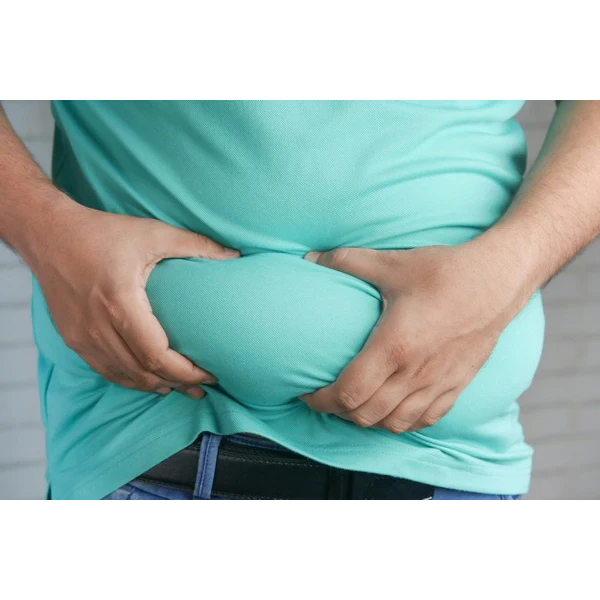
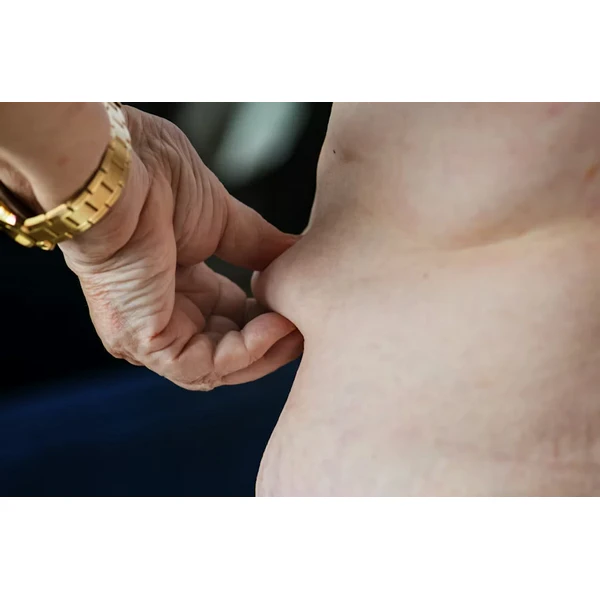
Belly fat means more than the soft fat you can pinch. Some fat sits deeper around your organs.
More deep belly fat links with worse blood sugar, fatty liver and higher blood pressure. Waist size often gives a better home check than daily body weight (1).
Measure your waist once a week in the morning. Use the same tape and the same place each time. Measure before breakfast.
Daily body weight can move up or down from water, salt or stool. Waist size gives you a clearer view over several weeks.
Sugar Drinks
Remove sugary drinks first. Soda, sweet tea and juice drinks add sugar without filling you up. Large reviews link sugar sweetened drinks with weight gain in adults and children (2).
Drink water, mineral water or black coffee instead. Keep it simple. Do not trade one sweet drink for another sweet drink. Many people feel less hungry after they stop drinking sugar every day.
Packaged Snack Food
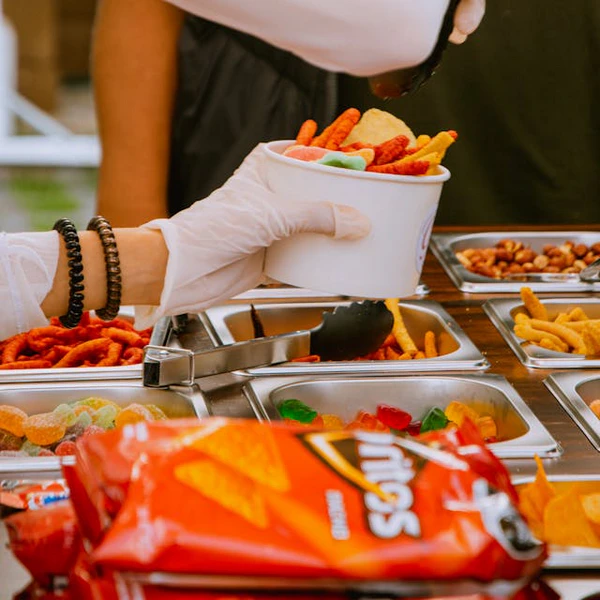
Packaged snack food makes overeating easy. Chips, cookies and cereal are easy to keep eating after you already had enough.
In a controlled trial, people ate more calories and gained weight on ultra processed food even when sugar, fat and sodium were matched (3).
Keep those foods out of your home. Keep eggs, beef or fish ready instead. Most people make better choices when real food is easy to reach. Snack food on the counter makes late eating more likely.
Food That Helps
Eat Enough Protein
Eat enough protein early in the day. Eggs, beef and fish give your body real protein without a sweet taste. Protein helps you feel full. Higher protein intake can help with weight control during fat loss (4).
Protein also helps protect muscle while body fat drops. Muscle helps your body look better as fat comes off.
Weight loss looks worse when you lose muscle with fat. Keep protein high and lift weights to protect lean mass (5).
Do not use sweet protein bars as daily food. Many bars are candy with a fitness label. Real protein food takes more chewing and gives more nutrition. It also helps you stop wanting sweet snacks every day.
Keep Carbs Lower
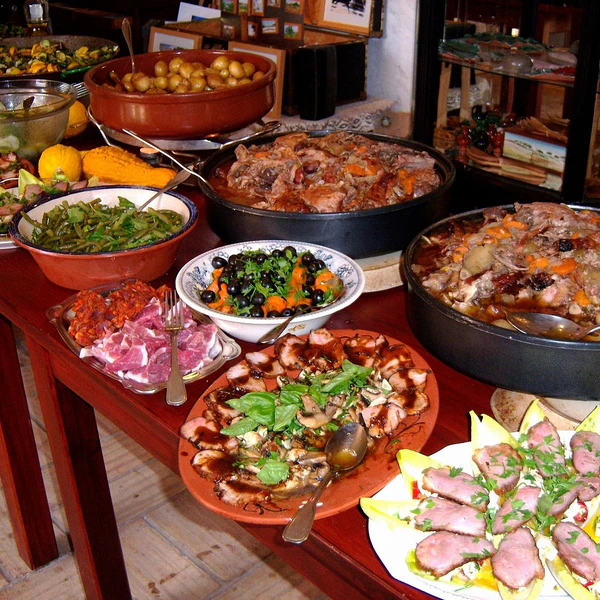
Eat meat, eggs and seafood as your main foods. Use butter, ghee or tallow for fat. Keep bread, pasta and cereal out of your normal day. These foods can make cravings harder for many people.
Lower carbs can make hunger easier. Bread, sweets and sweet drinks often pull people back toward more food.
Low carb diets often reduce body weight and improve several metabolic markers in adults with extra body fat (6).
Do not chase low fat eating. Low fat meals often leave you hungry soon after eating. Natural fat makes meals more filling. Fat from eggs, butter and fatty meat is different from seed oils in fried packaged food.
Stop Random Eating
Eat one to three meals each day. Stop snacking between meals. Random bites keep your mind on food all day. Clear meal times make hunger easier to read because you stop feeding every small craving.
Finish dinner and stop eating for the night. Late food often comes from boredom, screens or poor sleep.
Brush your teeth and leave the kitchen alone. One clear evening rule can remove a lot of extra food each week.
Time limited eating can help because it cuts snacks and late meals. Reviews show time restricted eating can reduce body weight and fat mass in adults with extra body weight (7).
Fat Loss Gets Harder With Poor Sleep
Poor sleep can raise hunger and make fat loss harder.
Movement That Works
Walk Daily
Walk every day if your body allows it. Walking burns energy without beating up your joints. It can also help sleep and stress.
Trials show aerobic exercise can reduce waist size, body weight and body fat when weekly movement rises (8).
Walk after meals when you can. Ten to twenty minutes is enough for many people. You do not need to make walking hard. Repeat it often enough that it becomes part of your normal day.
Lift Weights
Lift weights two to four times each week. Muscle gives your body shape and helps you stay strong while fat drops.
Resistance training can reduce body fat percentage, fat mass and deep belly fat in healthy adults (9).
Use basic lifts that train large muscles. Squats, rows and presses are enough for many people. Start lighter than you think you need. Add weight slowly. Pain and burnout do not help fat loss.
Keep lifting even when the scale moves slowly. The scale can hide progress when you lose fat and gain some muscle. Waist size and strength often tell you more than daily weight.
Add Short Effort
Add short hard work after walking and lifting feel steady. Hill walks, loaded carries and short sprints can raise effort without long workouts.
Use them once or twice each week. Rest fully before you do them again.
Do not punish yourself with hard exercise every day. Too much hard training can raise hunger and hurt sleep. Most people do better with easy walking, steady lifting and small amounts of harder work.
Better vs Worse
| Better | Worse |
|---|---|
| High protein | Late stimulants |
| Strength training | Low protein dieting |
| Walking | Low Fat |
| Sleep protected | Snacks |
Sleep & Stress
Sleep Enough
Poor sleep makes food control harder. Short sleep links with higher obesity risk and larger waist size in adults (10).
Many people crave sugar and snack food after a bad night because the body wants quick energy.
Protect the last hour before bed. Dim the lights and stop late food. Keep your phone away from the bed.
Move coffee earlier if sleep feels light or broken. Better sleep makes the next day easier before your first meal.
Lower Stress
Long stress can drive hunger and poor sleep. Stress can raise cortisol. Long cortisol problems link with belly fat in some adults (11).
Walk outside, lift weights and get morning light. Keep meals steady so stress does not turn into constant eating. Drinking alcohol increases the chances of belly fat and weaker sleep (12).
Fat Loss Check
Clear Steps
Food
- Measure your waist once a week in the morning.
- Remove soda, sweet tea and juice drinks.
- Keep packaged snack food out of your home.
- Eat enough protein at your first meal.
- Use eggs, meat or seafood as your main protein.
- Keep bread, pasta and cereal out of your normal day.
- Avoid fortified foods and grain based foods.
- Use butter, ghee or tallow instead of seed oils.
- Eat one to three full meals each day.
- Stop eating after dinner.
Movement
- Walk every day if your body allows it.
- Walk after meals when your schedule allows it.
- Lift weights two to four times each week.
- Add short hard work once or twice weekly after your base is steady.
Recovery
- Protect the last hour before sleep.
- Move coffee earlier if sleep suffers.
- Lower stress with outdoor walks, morning light and steady meals.
For any health concerns or questions about a medical condition, get guidance from a physician or another appropriately trained clinician. Before changing your diet, supplements or health routine, talk with a licensed healthcare professional.
Recommended Reading



Evidence Limits
Research
Shah, R.V. et al. 2014. Visceral adiposity and the risk of metabolic syndrome across body mass index. Journal of the American College of Cardiology.
Nguyen, M. et al. 2023. Sugar sweetened beverage consumption and weight gain in children and adults. American Journal of Clinical Nutrition.
Hall, K.D. et al. 2019. Ultra processed diets cause excess calorie intake and weight gain. Cell Metabolism. DOI 10.1016/j.cmet.2019.05.008. PMID 31105044.
Hansen, T.T. et al. 2021. Are dietary proteins the key to successful body weight management? Nutrients. DOI 10.3390/nu13093193.
Nunes, E.A. et al. 2022. Systematic review and meta analysis of protein intake to support muscle mass and function in healthy adults. Journal of Cachexia Sarcopenia and Muscle.
Lei, L. et al. 2022. Effects of low carbohydrate diets versus low fat diets on metabolic risk factors in overweight and obese adults. Frontiers in Nutrition. DOI 10.3389/fnut.2022.935234.
Xie, Y. et al. 2024. The effects of time restricted eating on fat loss in adults with overweight and obesity. Nutrients. DOI 10.3390/nu16193390.
Jayedi, A. et al. 2024. Aerobic exercise and weight loss in adults. JAMA Network Open.
Wewege, M.A. et al. 2022. The effect of resistance training in healthy adults on body fat percentage, fat mass and visceral fat. Sports Medicine. PMID 34536199.
Kohanmoo, A. et al. 2024. Short sleep duration is associated with higher risk of central obesity. Obesity Reviews.
van der Valk, E.S. et al. 2018. Stress and obesity. Obesity Reviews. DOI 10.1111/obr.12662. PMID 29708504.
Golzarand, M. et al. 2022. Association between alcohol intake and overweight, obesity and abdominal obesity. Obesity Reviews. PMID 33998940.
Moradi, S. et al. 2023. Ultra processed food consumption and adult obesity risk. Critical Reviews in Food Science and Nutrition. PMID 34190668.
Malik, V.S. et al. 2013. Sugar sweetened beverages and weight gain in children and adults. American Journal of Clinical Nutrition. PMID 23966427.
Foster, G.D. et al. 2003. A randomized trial of a low carbohydrate diet for obesity. New England Journal of Medicine. DOI 10.1056/NEJMoa022207.
Ismail, I. et al. 2012. A systematic review and meta analysis of the effect of aerobic versus resistance exercise training on visceral fat. Obesity Reviews.
Westerterp Plantenga, M.S. et al. 2012. Dietary protein, its role in satiety, energetics, weight loss and health. British Journal of Nutrition.
Tremblay, A. et al. 2015. Adaptive thermogenesis can make a difference in the ability of obese individuals to lose body weight. International Journal of Obesity.
Sperry, S.D. et al. 2015. Sleep duration and waist circumference in adults. Sleep.
Wu, Y. et al. 2014. Sleep duration and obesity among adults. Sleep Medicine.