
Key Takeaways
- Sensitive teeth often come from exposed dentin, gum recession or enamel wear.
- Sharp pain from cold, touch or sweet foods can point to dentin sensitivity.
- Acidic drinks, hard brushing, grinding and gum disease can make sensitivity worse.
- Many treatments try to block tiny dentin tubes or calm tooth nerves.
- Strong oral care starts with gentle cleaning, saliva, real food and fewer acid hits.
Sensitive Teeth Basics
Dentin Exposure
Sensitive teeth often start when dentin becomes exposed. Dentin is the layer under enamel and root covering. It has tiny tubes that connect toward the inside of the tooth.
Cold air, cold drinks, touch, sweet foods or sour foods can move fluid inside those tubes and trigger short sharp pain (1).
Enamel protects the crown of the tooth. Cementum helps cover the root. When enamel wears down or gums pull back, dentin can become exposed. The tooth then reacts more strongly because the open dentin tubes send signals toward the nerve.
Sensitivity should be short and sharp. Pain that lasts a long time, wakes you at night or throbs without a trigger can point to decay, cracked tooth, infection or nerve inflammation. A dentist should check those symptoms because dentin sensitivity is only one possible cause.
Common Triggers
Cold drinks are one of the most common triggers. Cold air, brushing, flossing, sweet foods, sour foods and tooth whitening can also trigger pain. Some people feel pain in one tooth. Others feel it across several teeth, especially near the gumline.
The pain can make people brush less because brushing hurts. That can let plaque build up near the gums, which can make the problem worse. A softer brush and better technique usually make more sense than avoiding cleaning.
Main Causes
Gum Recession
Gum recession exposes root dentin. Roots do not have the same hard enamel covering as the chewing surface. Once the gum pulls back, the root can feel sharp pain from cold or brushing. Reviews describe gum recession as one of the main pathways behind dentin hypersensitivity (2).
Recession can come from hard brushing, gum disease, thin gum tissue, tooth position, clenching, grinding or dental work. It can also grow slowly for years. The gumline may look longer, with notches or yellowish root surfaces near the base of teeth. Pain often appears where the brush hits the exposed area.
Enamel Wear
Enamel wear can come from acid, abrasion or grinding. Acid softens enamel. Hard brushing can remove softened enamel faster. Grinding can put heavy force on teeth and wear edges or crack weak areas. Several causes can work together.
Acid exposure is common. Soda, juice, sports drinks, wine, vinegar drinks, citrus drinks and frequent sour foods can lower mouth pH. Reflux can bathe teeth in stomach acid.
Frequent snacking keeps the mouth in a weaker state because saliva gets less time to repair the surface between food hits.
Brushing right after acid exposure can make enamel wear worse. The tooth surface may be softer for a short time after acid. Rinse with water first and give saliva time to buffer the mouth. Gentle brushing later is safer than aggressive scrubbing right after sour drinks.
Dental Problems
Sensitive teeth can also come from cavities, cracked teeth, leaking fillings, broken enamel, worn crowns or gum infection. These problems can mimic simple sensitivity. Pain in one tooth, pain when biting or pain that lingers after cold should be checked.
Tooth whitening can cause short term sensitivity for some people. The pain usually fades when whitening stops, but not always. Overuse of whitening strips or strong products can irritate teeth and gums. A whiter tooth is not always a healthier tooth.
Treatment Research
Tube Blocking
Many sensitivity treatments work by blocking the tiny dentin tubes. If fluid cannot move as easily inside the tubes, the nerve receives less pain signal.
Ingredients such as arginine with calcium carbonate, calcium sodium phosphosilicate and some mineral pastes aim to plug or seal these openings.
A network meta analysis found that several active treatments reduced dentin sensitivity, with some differences by follow up time (3). Office treatments can work faster because the dentist can apply stronger materials directly to the exposed area.
These can include bonding agents, varnishes, sealants or other surface blocking treatments. At home products may take longer because they build effect through repeated use. The best choice depends on severity, cause and whether the tooth has another problem.
Hydroxyapatite is the main mineral form in enamel and dentin. Some toothpastes use nano hydroxyapatite or related mineral forms to support surface repair and reduce sensitivity.
Research is still mixed by product and study design, but the idea is biologically sensible because it works with tooth mineral rather than using a harsh burn or strong antiseptic.
Nerve Calming
Potassium nitrate is a common sensitivity ingredient. It is meant to calm nerve response inside the tooth over time. It usually does not give instant relief. Reviews note that potassium nitrate may help some people, but results vary and the effect often takes weeks (4).
A nerve calming product may need steady use before pain improves. It also will not fix the root cause if acid drinks, hard brushing or gum recession keep exposing dentin. A toothpaste can reduce symptoms while the cause keeps moving forward.
Laser & Office Care
Laser treatments have been studied for dentin sensitivity. A Cochrane review found that laser therapy may reduce pain, but the certainty of the evidence was low or very low for many comparisons (5).
Professional care should start with diagnosis. A dentist needs to rule out decay, cracks, failed fillings, gum disease and bite stress. Treating sensitivity without checking those causes can waste time. A simple exposed root needs a different plan than a cracked tooth.
Daily Tooth Care
Gentle Brushing
Hard brushing is a common cause of sensitivity. A hard brush can wear the gumline and scrape exposed root surfaces. A soft brush and gentle pressure are safer. The brush should clean the gumline without scrubbing it raw.
Technique matters more than force. Small motions at the gumline remove plaque better than wide harsh strokes. If the bristles bend hard against the tooth, the pressure is too high. An electric toothbrush with pressure warning can help some people reduce force.
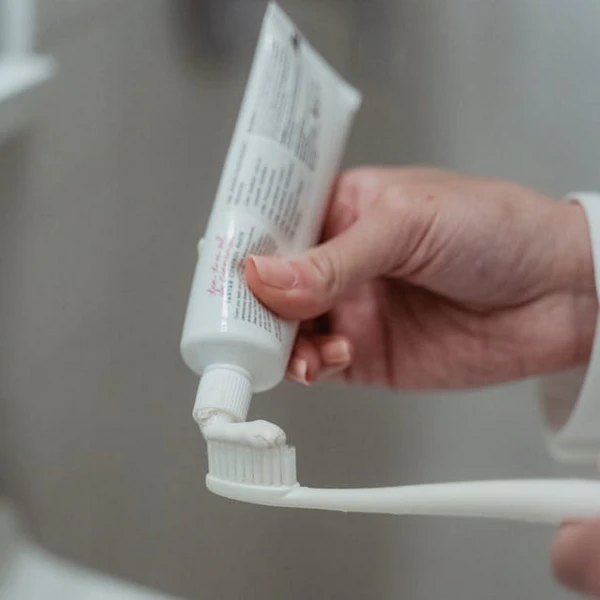
Toothpaste choice also matters. Very abrasive toothpaste can worsen wear over time. Some whitening toothpastes rely on more abrasion.
A low abrasive toothpaste with hydroxyapatite or another sensitivity support may be a better daily choice. Strong flavor and foam do not mean better cleaning.
Mouth Acid
Acid is one of the biggest sensitivity drivers. Sour drinks, soda, juice and vinegar drinks can soften enamel and irritate exposed dentin. Frequent small sips are worse than one exposure because the mouth stays acidic longer. Water after acidic foods or drinks can help dilute the acid.
Saliva Support
Saliva is a major tooth defense. It buffers acid, washes the mouth and carries minerals. Dry mouth can make sensitivity, cavities and bad breath worse. Mouth breathing, poor sleep, dehydration, stress, some drugs and alcohol based mouthwash can all dry the mouth.
Nose breathing helps keep the mouth moist, especially during sleep. Salt, water and mineral rich foods can support normal fluid balance. Chewing real food also stimulates saliva. A diet based on soft processed foods gives the mouth less work and often leaves more residue.
Food & Mouth Health
Stronger Teeth
Teeth need minerals, protein and fat soluble nutrients. Animal foods give dense support because they bring complete protein, minerals and useful fats without forcing a high sugar load. Meat, eggs, seafood, butter, ghee, tallow and small amounts of liver fit this job better than fortified cereal or plant drinks.
Calcium alone is a weak story. Teeth and bones need a full body system that includes protein, minerals, saliva, hormones, sunlight, sleep and chewing. Full fat dairy may help some people if tolerated. Goat milk, cheese and plain kefir can add minerals and protein without the same starch load as grain based snacks.
Foods To Limit
Frequent acidic and sugary foods are the biggest daily problem. Soda, juice, sweet coffee, candy, dried fruit, sports drinks, sour gummies, citrus drinks and vinegar drinks can all irritate sensitive teeth. Crackers, chips, cereal and bread also stick to teeth and feed acid producing bacteria.
Seed oil fried foods and ultra processed snacks add another poor signal. They displace better foods and often come with starch, sugar, additives and weak minerals. Fortified foods do not fix this problem. Added lab nutrients do not make a sticky starch food good for teeth.
Chewing & Strength
Chewing helps saliva flow and gives the jaw useful work. Soft processed foods lower that work. Tougher real foods such as meat and whole food meals make the mouth do more normal work. A mouth that chews real food, has enough saliva and avoids constant acid has a better chance to stay comfortable.
Sensitivity can make chewing harder, so start with the cause. If pain is sharp and specific, get the tooth checked. If the pain is broad near the gumline, improve brushing, reduce acid and use a low abrasive sensitivity toothpaste. Stronger daily habits and proper dental diagnosis work together.
When To Get Checked
Warning Signs
See a dentist when pain is severe, one sided, lingering or linked with biting. Pain that lasts after cold, wakes you at night or comes with swelling can point to a deeper problem. A cracked tooth or cavity can start like sensitivity and then worsen.
Gum bleeding, loose teeth, pus, bad taste or gum swelling also need dental care. These are not normal sensitivity signs. Gum disease can expose roots and damage support around teeth. Waiting too long can turn a small problem into a harder one.
Best Plan
The best plan starts with cause. Exposed dentin needs protection and gentler habits. Acid wear needs less acid and better saliva support. Grinding needs bite support and stress care. Decay, cracks and failed fillings need dental treatment.
Sensitive teeth research points to a clear daily path. Remove the cause where possible, use gentle cleaning, lower acid exposure, protect saliva and use targeted products when needed. A product can help pain, but the mouth still needs better food, better cleaning and less daily damage.
For any health concerns or questions about a medical condition, get guidance from a physician or another appropriately trained clinician. Before changing your diet, supplements or health routine, talk with a licensed healthcare professional.
Research
Davari, A.R., Ataei, E. and Assarzadeh, H. 2013. Dentin hypersensitivity. Etiology, diagnosis and treatment. A literature review. Journal of Dentistry, 14(3), pp. 136 to 145. Available at: https://pmc.ncbi.nlm.nih.gov/articles/PMC3927677/
Dionysopoulos, D. et al. 2023. Dentin hypersensitivity. Etiology, diagnosis and contemporary therapeutic approaches. A review in literature. Applied Sciences, 13(21), 11632. Available at: https://www.mdpi.com/2076-3417/13/21/11632
Marto, C.M. et al. 2019. Evaluation of the efficacy of dentin hypersensitivity treatments. A systematic review and follow up analysis. Journal of Oral Rehabilitation, 46(10), pp. 952 to 990. Available at: https://pubmed.ncbi.nlm.nih.gov/31216069/
Poulsen, S. et al. 2006. Potassium containing toothpastes for dentine hypersensitivity. Cochrane Database of Systematic Reviews, 3, CD001476. Available at: https://pubmed.ncbi.nlm.nih.gov/26901250/
Mahdian, M. et al. 2021. Laser therapy for dentinal hypersensitivity. Cochrane Database of Systematic Reviews, 7, CD009434. Available at: https://pubmed.ncbi.nlm.nih.gov/34125258/
West, N.X. et al. 2014. Dentine hypersensitivity. Pain mechanisms and aetiology of exposed cervical dentine. Clinical Oral Investigations, 17(Suppl 1), S9 to S19. Available at: https://pubmed.ncbi.nlm.nih.gov/23224026/
Canadian Advisory Board on Dentin Hypersensitivity. 2003. Consensus based recommendations for the diagnosis and management of dentin hypersensitivity. Journal of the Canadian Dental Association, 69(4), pp. 221 to 226. Available at: https://pubmed.ncbi.nlm.nih.gov/12662460/
Cartwright, R.B. 2014. Dentinal hypersensitivity. A narrative review. Community Dental Health, 31(1), pp. 15 to 20. Available at: https://pubmed.ncbi.nlm.nih.gov/24741891/
Sharif, M.O. et al. 2013. Effectiveness of arginine containing toothpastes in treating dentine hypersensitivity. A systematic review. Journal of Dentistry, 41(6), pp. 483 to 492. Available at: https://pubmed.ncbi.nlm.nih.gov/23376174/
Douglas de Oliveira, D.W. et al. 2018. Effect of dentin hypersensitivity treatment on oral health related quality of life. A systematic review and meta analysis. Journal of Dentistry, 71, pp. 1 to 8. Available at: https://pubmed.ncbi.nlm.nih.gov/29428212/
Splieth, C.H. and Tachou, A. 2013. Epidemiology of dentin hypersensitivity. Clinical Oral Investigations, 17(Suppl 1), S3 to S8. Available at: https://pubmed.ncbi.nlm.nih.gov/23224025/
Addy, M. 2002. Dentine hypersensitivity. New perspectives on an old problem. International Dental Journal, 52(S5P2), pp. 367 to 375. Available at: https://pubmed.ncbi.nlm.nih.gov/12437047/
West, N.X. et al. 2013. Dentine hypersensitivity. Diagnosis and management. Clinical Oral Investigations, 17(Suppl 1), S1 to S2. Available at: https://pubmed.ncbi.nlm.nih.gov/23224024/
Schmidlin, P.R. et al. 2013. The role of toothpastes in the treatment of dentin hypersensitivity. Monographs in Oral Science, 23, pp. 90 to 102. Available at: https://pubmed.ncbi.nlm.nih.gov/23817061/
Cekici, A. et al. 2025. Evidence based recommendations for diagnosing and managing dentine hypersensitivity. Frontiers in Oral Health. Available at: https://www.frontiersin.org/journals/oral-health/articles/10.3389/froh.2025.1663984/full