
Key Takeaways
- Alcohol changes how the brain and body work, and the effects show up fast.
- How much you drink and how quickly you drink it matters more than the type of drink.
- Teens, pregnant people, and women can face different risks from alcohol than adult men.
- Body signals and simple measurements can show short term and long term effects.
- Where alcohol comes from and how it is used in a community can add extra risks.
Alcohol can feel fun in the moment, but it has real effects on the brain, heart, liver, sleep, and mood.
What Alcohol Does in the Body
Fast Effects
Alcohol moves from your stomach and small intestine into your blood. It reaches your brain in minutes.
You may feel more relaxed, talkative, or silly. Your reaction time slows. Your balance and judgment fade.
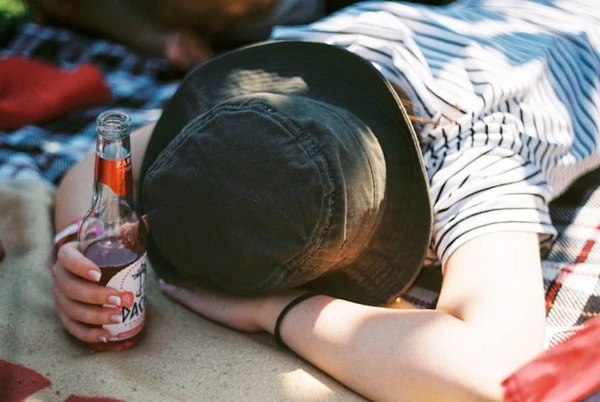
For example, two 12 ounce beers with 5 percent alcohol, taken in 60 minutes on an empty stomach, can make a 60 kg teen feel light headed and clumsy.
In lab tests, alcohol can change fats in the blood and raise signals of tissue stress after exposure, and the size of the change tends to go up with the dose [1].
Real world groups also show quick shifts. In one small hunter gatherer group, patterns of drinking were tied with changes in day to day health and mood, even when drinking was not daily [2].
Next Day Effects
The next day, you may have a headache, dry mouth, fast heart, and poor sleep. Some people get the shakes.
Your thinking and memory can feel slow. A simple at home check is to compare your usual morning push ups or a 1 mile walk time on a normal day versus the day after drinking.
If your time is worse and your heart pounds harder than normal, that is a signal.
Some reviews suggest that small amounts of beer can shift heart and metabolism markers in adults, but this depends on the person and pattern [3].
Longer Term Changes
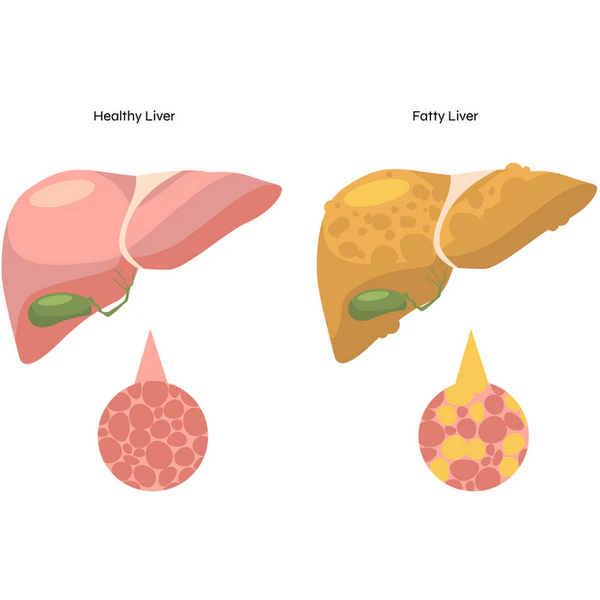
Heavy use over months or years can stress the liver and other organs. Blood tests may show higher liver enzymes or changes in fat levels [1].
In some adults with alcohol dependence, a medicine called naltrexone has been studied for lowering craving and use, which tells us that the brain can adapt to frequent drinking [4].
Very heavy and long term drinking raises the risk for liver problems. Some liver cancers are linked to past alcohol misuse, and this can affect treatment results [5].
How Amount & Pattern Matter
Binge Versus Small Amounts
Binge drinking means taking several drinks in a short time. A common cut point is about 4 drinks for women or 5 for men in about 2 hours.
In teens and young adults, beliefs about what alcohol will do, like thinking it will make you brave or cool, can drive binges and risky choices [6].
School surveys in Nigeria found that students knew some risks, but still used alcohol, which shows that facts alone may not change behavior [7].
Tracking Examples
Try a two week check. Week 1, 0 drinks. Week 2, pick one day with 1 to 2 drinks. Track three items:
- time to fall asleep,
- morning mood from 1 to 10, and
- a 10 minute easy jog pace.
Lab work in science settings shows dose linked changes in lipids and tissue damage markers after alcohol exposure [1].
Alcohol Can Break Sleep And Blood Sugar
Alcohol can worsen sleep, appetite, blood sugar and liver stress.
Special Situations
Teens & School
Brains are still wiring up during the teen years. Alcohol can get in the way of focus, memory, and judgment.
In a border region study of German and Polish teens, what they expected alcohol to do matched how much they drank and the problems they had [6].
School surveys in Nigeria also found that student awareness did not always stop use, which can lead to missed classes, poor grades, or fights .
Pregnancy & Babies
Alcohol can pass to the fetus during pregnancy. Reviews report that prenatal drinking can harm growth and brain development of the fetus and can affect the newborn after birth .
Older data from a city in Scotland also linked alcohol during first pregnancies with worse outcomes for some mothers and babies . These findings are about risks seen in real families, not just lab notes.
Women & Men
Women, on average, have less body water than men of the same weight. This can lead to higher blood alcohol levels after the same amount of drinking.
Past reviews focused on women show different patterns of harm and social effects compared to men .
In mixed groups like hunter gatherers, social setting and roles also shape who drinks and how that affects health .
Better vs Worse
| Better | Worse |
|---|---|
| No alcohol | Late drinking |
| Earlier cutoff | Sweet mixers |
| Protein meal first | Drinking for sleep |
| Hydration | Frequent use |
Safety & Culture

Drinking Environments
Risk rises when people drink in places where help is far away or rules are loose.
In public health work from past decades, the alcohol trade changed how much and where people drank, and that changed injury and illness patterns in towns and cities .
Hidden Alcohol
Not all alcohol is sold with clear labels. Some is unrecorded or homemade. It can be stronger than you think, and it may have other risky chemicals.
Reports from Nordic countries showed that unrecorded alcohol made it harder to control alcohol harm, since people could get strong drinks outside normal stores .
When to Pause
Certain signs mean your current pattern is not working. These include blackouts, fights, missing school or work, hiding use, or waking up shaky.
If you track your nights and see the number of drinks creeping up to feel the same buzz, that is tolerance.
Some adults with alcohol dependence in clinics have used medicines studied to reduce craving, which shows how strong this pull can become over time .
Alcohol Check
Measuring & Signals
Simple Checks
Track bedtime, wake time, morning mood, and one easy fitness test. Try a 1 mile walk at the same route and pace each morning.
Write down the time and how your legs feel. If the day after drinking is always your slowest, your body is telling you something real.
You can also use a cheap heart rate strap or a smartwatch to log your resting heart rate at the same time daily. If it climbs on drink nights, that is a pattern to note.
Lab Markers
Doctors may check liver enzymes or blood fats when someone drinks a lot. Research shows alcohol exposure can change lipid profiles and tissue damage biomarkers over time .
In some adults, small amounts of beer have been linked with mixed changes in heart and metabolic markers, and results depend on the person .
Heavy long term use can lead to liver disease, and some cases progress to cancer with different treatment outcomes. New methods can find alcohol exposure using spit samples.
One study used saliva microRNA patterns to spot past alcohol exposure in humans . This type of tool could help track use without a blood draw.
Consult a licensed healthcare professional before starting, stopping, or changing any diet, supplement, medication, or wellness practice. For questions about a medical condition or symptoms, seek advice from a qualified clinician who can assess your situation.
Suggested Posts
Evidence Limits
Research
Rabinerson, D. (2021). [ALCOHOL DRINKING DURING PREGNANCY AND ITS EFFECTS ON THE FETUS AND THE NEWBORN]. Harefuah. PMID: 34028224.
Mead, EA., Boulghassoul-Pietrzykowska, N., Wang, Y., Anees, O., Kinstlinger, NS., Lee, M. and et al. (2021). Non-Invasive microRNA Profiling in Saliva can Serve as a Biomarker of Alcohol Exposure and Its Effects in Humans. Frontiers in genetics. doi:10.3389/fgene.2021.804222. PMID: 35126468.
Kumar, R., Quraishi, R., Sarkar, S., Rao, R. and Ambekar, A. (2024). Naltrexone and its Effects on Craving and Alcohol Use among Patients with Alcohol Dependence Syndroms: A Report. Addiction & health. doi:10.34172/ahj.1494. PMID: 39439852.
Knight, JK., Salali, GD., Sikka, G., Derkx, I., Keestra, SM. and Chaudhary, N. (2021). Quantifying patterns of alcohol consumption and its effects on health and wellbeing among BaYaka hunter-gatherers: A mixed-methods cross-sectional study. PloS one. doi:10.1371/journal.pone.0258384. PMID: 34705859.
Malheiros, DF., Videira, MN., Carvalho, AA., Salomão, CB., Ferreira, IM., Canuto, KM. and et al. (2023). Efficacy of Carapa guianensis oil (Meliaceae) against monogeneans infestations: a potential antiparasitic for Colossoma macropomum and its effects in hematology and histopathology of gills. Revista brasileira de parasitologia veterinaria = Brazilian journal of veterinary parasitology : Orgao Oficial do Colegio Brasileiro de Parasitologia Veterinaria. doi:10.1590/S1984-29612023051. PMID: 37672470.
Akinloye, DI., Ugbaja, RN., Dosumu, OA., Rahman, SA., Ugwor, EI., James, AS. and et al. (2021). A time course study on dose-response relationship between alcohol exposure and its effects on lipid profile and biomarkers of tissue damage. Biochemistry and biophysics reports. doi:10.1016/j.bbrep.2021.100927. PMID: 33644419.
Marcos, A., Serra-Majem, L., Pérez-Jiménez, F., Pascual, V., Tinahones, FJ. and Estruch, R. (2021). Moderate Consumption of Beer and Its Effects on Cardiovascular and Metabolic Health: An Updated Review of Recent Scientific Evidence. Nutrients. doi:10.3390/nu13030879. PMID: 33803089.
Wenn, P., Meshoyrer, D., Barber, M., Ghaffar, A., Razka, M., Jose, S. and et al. (2022). Perceived Social Support and its Effects on Treatment Compliance and Quality of Life in Cardiac Patients. Journal of patient experience. doi:10.1177/23743735221074170. PMID: 35141401.
Reis, EM., Teixeira, IS., Maia, JM., Luciano, LAA., Brandião, LM., Silva, MLS. and et al. (2024). Maternal nutrition and its effects on fetal neurodevelopment. Nutrition (Burbank, Los Angeles County, Calif.). doi:10.1016/j.nut.2024.112483. PMID: 38823254.
Poikolainen, K. (1986). The alcohol trade and its effects on public health. International journal of epidemiology. doi:10.1093/ije/15.3.308. PMID: 3771064.
Ito, T. and Nguyen, MH. (2023). Perspectives on the Underlying Etiology of HCC and Its Effects on Treatment Outcomes. Journal of hepatocellular carcinoma. doi:10.2147/JHC.S347959. PMID: 36926055.
Nordlund, S. and Osterberg, E. (2000). Unrecorded alcohol consumption: its economics and its effects on alcohol control in the Nordic countries. Addiction (Abingdon, England). doi:10.1080/09652140020013773. PMID: 11218351.
Elahi, Z., Hassanzadeh, F. and Satarzadeh, M. (2024). Maternal Smoking during Pregnancy and its effects on Neural Tube Defects. Iranian journal of child neurology. doi:10.22037/ijcn.v18i3.41499. PMID: 38988851.
Al-Hinaai, H., Al-Busaidi, I., Al, FARSIB. and Al, SAIDIY. (2021). The Prevalence of Substance Misuse and its Effects among Omani College Students: A Cross-sectional Study. Oman medical journal. doi:10.5001/omj.2021.04. PMID: 33585045.
(2003). Alcohol and its effects on women. Mayo Clinic women’s healthsource. PMID: 13679781.
Kaye, S. (1971). Alcohol and its effects on man. Boletin de la Asociacion Medica de Puerto Rico. PMID: 5291020.
Zimmermann, J., Junge, C., Niemann, J., Wong, JW. and Preuss, UW. (2010). Alcohol consumption and expectations of its effects in the border region of Pomerania: comparison of German and Polish adolescents. European addiction research. doi:10.1159/000315128. PMID: 20516692.
Eze, NM., Njoku, HA., Eseadi, C., Akubue, BN., Ezeanwu, AB., Ugwu, UC. and et al. (2017). Alcohol consumption and awareness of its effects on health among secondary school students in Nigeria. Medicine. doi:10.1097/MD.0000000000008960. PMID: 29310396.
Gutjahr, E., Gmel, G. and Rehm, J., 2001. Relation between average alcohol consumption and disease: an overview. European Addiction Research, 7(3), pp.117-127.
Room, R., Babor, T. and Rehm, J., 2005. Alcohol and public health. Lancet, 365(9458), pp.519–530. https://doi.org/10.1016/s0140-6736(05)17870-2
Padovan, J. C., Dourado, T. M., Pimenta, G. F., & Tirapelli, C. R., 2023. Reactive Oxygen Species Are Central Mediators of Vascular Dysfunction and Hypertension Induced by Ethanol Consumption. Antioxidants, 12(10), 1813. https://doi.org/10.3390/antiox12101813
Pierson, S.R., Kolling, L.J., James, T.D., Pushpavathi, S.G., & Marcinkiewcz, C.A., 2024. Serotonergic dysfunction may mediate the relationship between alcohol consumption and Alzheimer’s disease. Pharmacological Research, 203, 107171. https://doi.org/10.1016/j.phrs.2024.107171
Thangameeran, S. I., Wang, P., Liew, H., & Pang, C., 2024. Influence of Alcohol on Intracerebral Hemorrhage: From Oxidative Stress to Glial Cell Activation. Life, 14(3), 311. https://doi.org/10.3390/life14030311
Fuchs, C.S., Stampfer, M.J., Colditz, G.A., Giovannucci, E.L., Manson, J.E., Kawachi, I., Hunter, D.J., Hankinson, S.E., Hennekens, C.H., Rosner, B. and Speizer, F.E., 1995. Alcohol consumption and mortality among women. New England Journal of Medicine, 332(19), pp.1245-1250.
Dawson, D.A., 2000. Alcohol consumption, alcohol dependence, and all‐cause mortality. Alcoholism: Clinical and Experimental Research, 24(1), pp.72-81.
Klatsky, A.L., Friedman, G.D., Siegelaub, A.B. and Gérard, M.J., 1977. Alcohol consumption and blood pressure: Kaiser-Permanente multiphasic health examination data. New England Journal of Medicine, 296(21), pp.1194-1200.
Clark, V.A., Chapman, J.M. and Coulson, A.H., 1967. Effects of various factors on systolic and diastolic blood pressure in the Los Angeles Heart Study. Journal of Chronic Diseases, 20(8), pp.571-581.
Gyntelberg, F. and Meyer, J., 1974. Relationship between blood pressure and physical fitness, smoking and alcohol consumption in Copenhagen males aged 40–59. Acta Medica Scandinavica, 195(1‐6), pp.375-380.
Dawson, D. A., Goldstein, R. B., Saha, T. D., & Grant, B. F., 2015. Changes in alcohol consumption: United States, 2001–2002 to 2012–2013. Drug and Alcohol Dependence, 148, 56-61. https://doi.org/10.1016/j.drugalcdep.2014.12.016
Brust, J.C., 2022. Stroke and Substance Abuse. Stroke (Seventh Edition), pp.563-572.e15. https://doi.org/10.1016/B978-0-323-69424-7.00039-9
Midanik, L.T. and Room, R., 1992. The epidemiology of alcohol consumption. Alcohol Health Res World, 16(3), pp.183-190.
Rehm, J., Room, R., Monteiro, M., Gmel, G., Graham, K., Rehn, N., Sempos, C.T., Frick, U., Jernigan, D., Ezzati, M. and Lopez, A.D., 2004. Alcohol use.
McGinnis, J.M. and Foege, W.H., 1993. Actual causes of death in the United States. JAMA, 270(18), pp.2207-2212.
Sherman, D. and Watson, R.R., 2002. Ethanol and the liver: mechanisms and management. CRC Press.
Ritchie, H. and Roser, M., 2023. Alcohol consumption. Our World in Data.