
Key Takeaways
- Methylation helps your body make DNA, repair cells and control gene activity.
- One carbon nutrients come from real foods, not just pills or fortified products.
- High homocysteine can signal strain in folate, B12, choline and betaine pathways.
- MTHFR variants can affect methylation, but genes do not decide your health alone.
- Whole foods give methylation support with fewer risks than isolated synthetic nutrients.
Methylation Basics
Cell Switches
Methylation is one of the ways your body controls cell work. It adds a small carbon group to certain molecules, including DNA, proteins and hormones.
This can help turn genes up or down without changing the gene code itself. DNA methylation helps normal cells stay stable, repair damage and follow their proper job in the body (1).
Your body does this work all day. It is not a rare detox trick or a special health hack. Methylation helps make DNA, process amino acids, manage homocysteine and support normal brain and nerve function.
The process depends on many nutrients working together, especially folate, B12, riboflavin, B6, choline, betaine and methionine (2).
One Carbon Flow
One carbon metabolism is the main system behind methylation. It moves small carbon units through connected pathways. These pathways help make methyl groups, recycle homocysteine and support the building blocks for DNA.
Folate and B12 get most of the attention, but choline and betaine also feed this system through a second route (3). This means the body has backup lanes. If one lane is under strain, another lane may help carry part of the load.
Homocysteine Signals
High Readings
Homocysteine is an amino acid made during normal methionine use. Your body should recycle it or move it into other pathways. A high reading can suggest strain in folate, B12, choline, betaine, riboflavin or B6 related metabolism. It should not be treated as a single nutrient story.
Research links homocysteine with many health outcomes, but the meaning is not always simple. A marker can rise because a system is stressed, but lowering the marker does not always prove that the root problem has been fixed.
Large reviews show that folate, B12 and homocysteine are linked with metabolic health markers, including metabolic syndrome, but the data are mixed across studies (4).
Choline
Choline and betaine deserve more attention than they usually get. Choline can turn into betaine, and betaine can help recycle homocysteine back into methionine. Human studies have found that higher choline and betaine intake can relate to lower homocysteine levels (5).
The body uses a wider nutrient network than folate alone. Eggs are a strong choline source, and liver gives several methylation related nutrients in one food. Ruminant meat and seafood also supply methionine, B12 and other cofactors in forms the body can use well.
Low fat eating can make this harder. Many key foods for methylation come with natural fat, including eggs, liver and seafood. Removing those foods can reduce the intake of fat soluble nutrients and other compounds that support normal cell work. A high fat, animal based diet with mineral balance gives this system a more complete base.
MTHFR
Gene Variants
MTHFR is an enzyme that helps convert folate into a form used for methylation. Some people carry common MTHFR variants, including C677T. These variants can raise homocysteine in some settings, especially when nutrient intake is poor. They do not prove disease by themselves.
A large meta analysis found that the MTHFR 677C to T variant is tied to homocysteine differences, but the wider disease meaning depends on context (6).
Many people get pulled into fear after seeing a gene report. This can lead to random stacks of synthetic B vitamins, high dose folic acid or methyl donor products. That approach can feel precise, but it often ignores the full pathway. Methylation needs balance, not force.
Food Before Pills
Whole foods provide nutrients in groups. Liver gives folate, B12, choline, copper, retinol and other cofactors. Eggs provide choline and B vitamins. Seafood gives B12, selenium and long chain omega fats. Meat gives methionine and other amino acids needed for normal repair.
Synthetic folic acid is not the same thing as natural food folate. Folic acid must be converted in the body, and unmetabolized folic acid can appear in blood after intake from fortified foods or supplements (7).
Fortification also creates a false sense of safety. A food can be fortified because it was stripped, refined or made poor in the first place. Grains bring extra problems through starch load, plant defense compounds and poor nutrient density compared with animal foods. Methylation support should not depend on fortified flour.
Aging & DNA Marks
Epigenetic Clocks
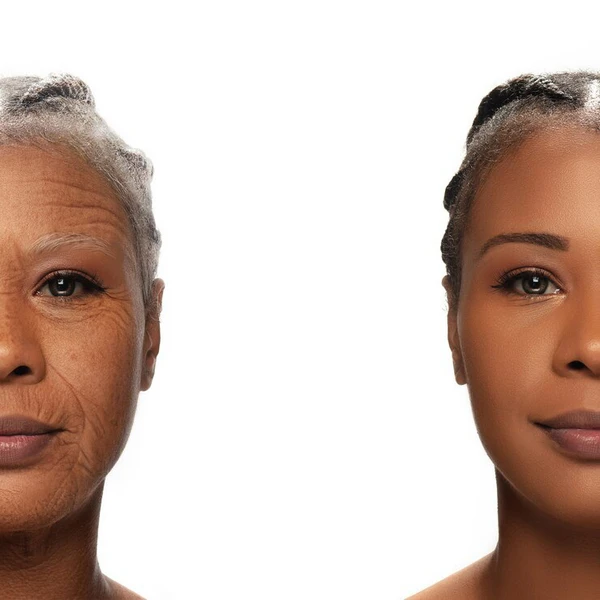
DNA methylation changes with age. Scientists use some of these changes to build epigenetic clocks, which estimate biological aging from methyl marks. These clocks can track age with surprising accuracy, but they are still research tools. They do not give a full health verdict for one person (8).
This area is useful, but it is easy to oversell. A clock can show a pattern in DNA marks, but it does not prove that one pill, diet plan or device has reversed aging. The body is more complex than a score. Methylation changes can reflect stress load, inflammation, body composition, nutrient state and tissue repair demands.
Daily Inputs
Your methylation system responds to daily inputs. Food quality, sleep, alcohol intake, stress, body fat, movement and toxin exposure can all affect the wider metabolic state. This does not mean every detail needs tracking. It means the basics still carry weight.
Start with food that gives dense nutrition without relying on synthetic fortification. Grass fed ruminant meat, liver, pasture raised eggs, wild seafood, butter, ghee and tallow build a strong base. These foods support protein needs, methyl donors, B12, choline, retinol, copper and other cofactors in a natural food matrix.
Keep carbohydrates low, especially refined sugar and grain based foods. Large starch and sugar loads can strain blood sugar control and liver metabolism, which can feed back into methylation and homocysteine patterns.
Avoid seed oils and ultra processed foods because they add oxidative stress and displace real nutrition.
Daily Support
Nutrient Balance
Methylation should be supported, not pushed. Strong support starts with enough protein, natural animal fat and mineral rich foods. Your body needs methionine from protein, choline from eggs and liver, B12 from animal foods and folate from nutrient dense whole foods.
These nutrients work together inside one system. Magnesium supports many enzymes tied to energy use and normal cell work. Food should come first, but some people use magnesium glycinate when needed. The goal is to give the body the raw materials it recognizes.
For any health concerns or questions about a medical condition, get guidance from a physician or another appropriately trained clinician. Before changing your diet, supplements or health routine, talk with a licensed healthcare professional.
Research
Crider, K.S. et al. 2012. Folate and DNA methylation. Molecular Nutrition & Food Research. DOI 10.1002/mnfr.201100568. PMID 22274414.
Lyon, P. et al. 2020. B vitamins and one carbon metabolism. Nutrients. DOI 10.3390/nu12092862. PMID 32967265.
Friso, S. et al. 2017. One carbon metabolism and epigenetics. Molecular Aspects of Medicine. DOI 10.1016/j.mam.2016.11.007. PMID 27876555.
Ulloque Badaracco, J.R. et al. 2023. Vitamin B12, folate, and homocysteine in metabolic syndrome. Nutrients. DOI 10.3390/nu15184061. PMID 37764817.
Chiuve, S.E. et al. 2007. The association between betaine and choline intakes and the plasma concentrations of homocysteine in women. The American Journal of Clinical Nutrition. DOI 10.1093/ajcn/86.4.1073. PMID 17921386.
Lewis, S.J. et al. 2005. Meta analysis of MTHFR 677C to T polymorphism and coronary heart disease. American Journal of Clinical Nutrition. DOI 10.1093/ajcn/82.4.865. PMID 16216822.
Kelly, P. et al. 1997. Unmetabolized folic acid in serum acute studies in subjects consuming fortified food and supplements. American Journal of Clinical Nutrition. DOI 10.1093/ajcn/65.6.1790. PMID 9174474.
Bell, C.G. et al. 2019. DNA methylation aging clocks challenges and recommendations. Genome Biology. DOI 10.1186/s13059-019-1824-y. PMID 31767039.
Horvath, S. and Raj, K. 2018. DNA methylation based biomarkers and the epigenetic clock theory of ageing. Nature Reviews Genetics. DOI 10.1038/s41576-018-0004-3. PMID 29643443.
Korsmo, H.W. et al. 2021. One carbon metabolism and early development. Nutrients. DOI 10.3390/nu13030822. PMID 33806409.
Lee, J.E. et al. 2010. Are dietary choline and betaine intakes determinants of total homocysteine concentration. American Journal of Clinical Nutrition. DOI 10.3945/ajcn.2009.28417. PMID 20219967.
Wallace, J.M.W. et al. 2012. Choline supplementation and measures of choline and homocysteine metabolism in postmenopausal women. European Journal of Clinical Nutrition. DOI 10.1038/ejcn.2011.209. PMID 22172554.
Choi, J.H. et al. 2014. Contemporary issues surrounding folic acid fortification initiatives. Preventive Nutrition and Food Science. DOI 10.3746/pnf.2014.19.4.247. PMID 25580388.
Ismail, S. et al. 2023. Intended and unintended benefits of folic acid fortification. Nutrients. DOI 10.3390/nu15081953. PMID 37107407.