
Key Takeaways
- Berberine has human research behind its effects on fasting glucose and insulin response.
- The strongest evidence is in people with poor glucose control or type 2 diabetes.
- Berberine works best when carbs, snacking and processed foods are already reduced.
- Digestive upset is the most common issue, especially when people start too high.
- Berberine can interact with drugs, so blood sugar drugs need medical oversight.
Blood Sugar Basics
Berberine & Glucose
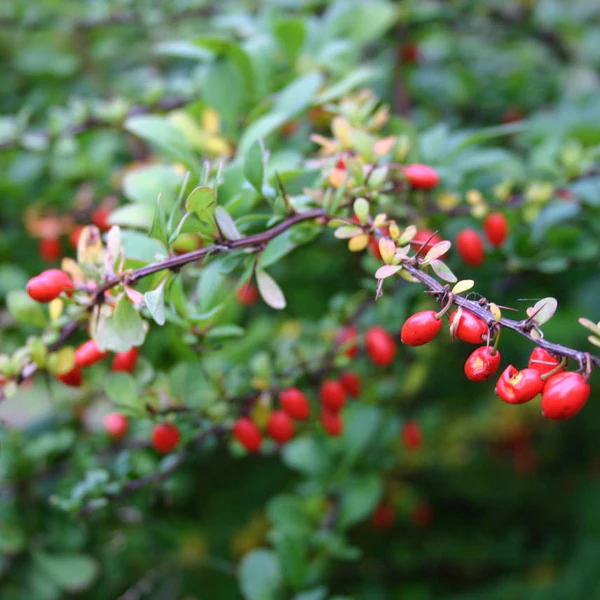
Berberine is a yellow plant compound found in herbs such as barberry, goldenseal and Oregon grape. People use it most often for blood sugar, insulin response, lipids and gut related concerns.
Human trials and meta analyses show that berberine can lower fasting glucose, HbA1c and after meal glucose in people with type 2 diabetes or poor glucose control (1, 2).
Berberine may help the body handle glucose better, especially when glucose control is already strained. If you keep eating sugar, grains, snacks and processed foods, you keep pushing the same problem from the other side.
A 2022 systematic review found that berberine lowered fasting glucose and HbA1c in people with type 2 diabetes, with the effect linked to starting blood sugar levels (3).
Insulin Response
Insulin helps move glucose out of the blood and into cells. When the body becomes insulin resistant, more insulin is needed to handle the same amount of carbohydrate. Blood sugar may look normal for a while because insulin is working harder in the background.
Berberine appears to support insulin response through several pathways. Research links it with changes in liver glucose output, gut microbes, bile acid metabolism and insulin signaling (4).
Carbohydrates raise glucose more directly than fat or protein. Cutting sugar, flour, grains, sweet drinks and frequent snacks removes the largest daily glucose load for most people. Berberine makes more sense as support after that base is already in place.
Research Snapshot
Berberine could regulate the structure and function of the human gut microbiota, and Bifidobacterium has the potential to enhance the hypoglycemic effect of berberine. These findings provide new insights into the hypoglycemic potential of berberine and Bifidobacterium.
Research by Ming, J., Yu, X., Xu, X. et al. 2021
Human Evidence
The strongest research on berberine and blood sugar comes from people with type 2 diabetes. A 2019 meta analysis found that berberine improved fasting blood glucose and HbA1c, though study quality varied and some trials were small (1).
A 2021 meta analysis of randomized trials also found improvements in glucose and lipid markers in people with type 2 diabetes (2).
A 2024 review of meta analyses reported that berberine may improve glycemic markers and some inflammatory markers in adults, but the authors also noted that findings across reviews were not fully consistent (5).
An older pilot study tested berberine in adults with newly diagnosed type 2 diabetes and reported improved glucose markers and lipid markers (4).
Metabolic Syndrome
Metabolic syndrome means several problems often show up together. These include high waist size, high blood pressure, high triglycerides, high fasting glucose and low HDL. Berberine has been studied in this wider metabolic setting because glucose control is often only one part of the problem.
A randomized trial in people with metabolic syndrome found that berberine improved several markers, including waist size, triglycerides and insulin secretion (6).
A 2025 systematic review also reported improvements in several metabolic syndrome markers, including fasting glucose, triglycerides and waist size (7).
PCOS & Glucose
PCOS often comes with insulin resistance, cravings, irregular cycles and difficulty losing body fat. Berberine has been studied in PCOS because insulin resistance can drive many of these problems. A systematic review on PCOS found that berberine may improve insulin resistance and some hormone related markers, though trial quality varied (8).
For PCOS, the food base still carries most of the weight. A high carb diet keeps insulin high in many women who are already insulin resistant. Reducing carbs, avoiding grains and removing processed foods give the body a clearer signal before any supplement enters the picture.
Real Use Limits
Food Comes First
Berberine can support healthy blood sugar, but food still sets the daily glucose load. If you eat cereal for breakfast, bread for lunch, pasta for dinner and snacks between meals, glucose keeps rising all day. A supplement cannot erase that repeated signal.
The right foods give you complete protein, healthy fat, minerals and fat soluble nutrients without the glucose load of grains and sweet foods. Organ meats can add copper and retinol, which support deeper metabolic systems tied to energy and iron handling.
Most people do better when they stop grazing. One to three real meals gives insulin more time to fall between meals. Constant snacking keeps the body in a fed state and makes glucose control harder. Berberine works better when the whole day supports the same goal.
Carb Load
Carbs are the main driver of glucose spikes. Sugar, flour, cereal, rice, pasta, fruit juice and sweet drinks break down into glucose quickly. Some foods look natural and still deliver a large glucose load. The body still has to handle that load.
Berberine may reduce glucose markers in studies, but the cleaner move is to lower the incoming glucose first. Fewer carbs means less glucose entering the blood. Less glucose means less need for insulin. That gives your body a better starting point.
You do not need a complicated plan. Remove grains, sugar and sweet drinks first. Keep meals based on animal protein and animal fat. Use low starch vegetables only if they work for you, such as lettuce, cucumber or cabbage.
Safety & Use
Common Issues
The most common berberine complaints are digestive. Some people get loose stool, nausea, cramps or constipation. These effects often show up when the dose is too high at the start or when the person already has a sensitive gut.
Many studies use divided doses with meals, but dose forms vary across trials. This makes direct comparison harder. Product quality also varies because supplements do not have the same testing standard across brands. A poor product can create noise that has nothing to do with berberine itself.
Berberine is biologically active. That is the reason people use it. The same fact means it deserves care, especially in pregnancy, breastfeeding, liver disease, kidney disease or complex medical cases.
Drug Combinations
Berberine can lower glucose, so combining it with glucose lowering drugs can push blood sugar too low in some people. It may also affect drug transport and enzyme systems involved in how the body handles some medicines (9). This is a combination issue, not proof that berberine is the only concern.
Pharmaceutical drugs are active substances too. They can carry their own risks and interaction issues. When two active substances affect the same pathway, the combination needs direct medical oversight. Blood sugar drugs, blood pressure drugs, anticoagulants and transplant related drugs deserve special caution.
You should also avoid using berberine as a way to ignore clear warning signs. Very high glucose, sudden weight loss, excessive thirst, frequent urination, vomiting or confusion needs prompt medical care. Supplements belong in the support lane, not the emergency lane.
For any health concerns or questions about a medical condition, get guidance from a physician or another appropriately trained clinician. Before changing your diet, supplements or health routine, talk with a licensed healthcare professional.
Research
Liang, Y., Xu, X., Yin, M., Zhang, Y., Huang, L., Chen, R. and Ni, J. 2019. Effects of berberine on blood glucose in patients with type 2 diabetes mellitus. Endocrine Journal. DOI 10.1507/endocrj.EJ18-0109. PMID 30393248.
Guo, J. et al. 2021. The Effect of Berberine on Metabolic Profiles in Type 2 Diabetic Patients. A Systematic Review and Meta Analysis of Randomized Controlled Trials. Oxidative Medicine and Cellular Longevity. DOI 10.1155/2021/2074610. PMID 34956436.
Xie, W. et al. 2022. Glucose lowering effect of berberine on type 2 diabetes. A systematic review and meta analysis. Frontiers in Pharmacology. PMID 36467075.
Yin, J., Xing, H. and Ye, J. 2008. Efficacy of berberine in patients with type 2 diabetes mellitus. Metabolism. DOI 10.1016/j.metabol.2008.01.013. PMID 18442638.
Nazari, A. et al. 2024. The Effect of Berberine Supplementation on Glycemic Parameters and Inflammatory Markers in Adults. An Umbrella Review of Meta Analyses. Clinical Therapeutics. PMID 38016844.
Pérez Rubio, K.G. et al. 2013. Effect of berberine administration on metabolic syndrome, insulin sensitivity and insulin secretion. Metabolic Syndrome and Related Disorders. PMID 23808999.
Liu, D. et al. 2025. Efficacy and safety of berberine on the components of metabolic syndrome. A systematic review and meta analysis. Frontiers in Pharmacology.
Li, M.F. et al. 2018. The Effect of Berberine on Polycystic Ovary Syndrome Patients with Insulin Resistance. A Meta Analysis and Systematic Review. Evidence Based Complementary and Alternative Medicine. PMID 29944540.
Memorial Sloan Kettering Cancer Center. 2023. Berberine. Integrative Medicine Herbs, Botanicals and Other Products.
Wang, J. et al. 2024. Effects of administering berberine alone or in combination on glycemic regulation in patients with type 2 diabetes mellitus. A systematic review and meta analysis. Frontiers in Pharmacology. PMID 39640489.
Ye, Y. et al. 2021. Efficacy and Safety of Berberine Alone for Several Metabolic Disorders. A Systematic Review and Meta Analysis of Randomized Clinical Trials. Frontiers in Pharmacology.
Cao, C. et al. 2019. Effects of berberine on glucose lipid metabolism, inflammatory factors and insulin resistance in patients with metabolic syndrome. Experimental and Therapeutic Medicine.
Zhang, H. et al. 2010. Berberine lowers blood glucose in type 2 diabetes mellitus patients through increasing insulin receptor expression. Metabolism. DOI 10.1016/j.metabol.2009.07.029. PMID 19800084.
Och, A. et al. 2022. Berberine, a Herbal Metabolite in the Metabolic Syndrome. Molecules. DOI 10.3390/molecules27041351. PMID 35209131.
Shi, L. et al. 2025. Berberine and health outcomes. An overview of systematic reviews and meta analyses. Frontiers in Pharmacology.
Lei, L. et al. 2026. Berberine and Adiposity in Diabetes Free Individuals With Obesity and Metabolic Dysfunction Associated Steatotic Liver Disease. JAMA Network Open.
Ji, L. et al. 2025. Berberine Ursodeoxycholate for the Treatment of Type 2 Diabetes. JAMA Network Open.
Ming J, . et al. Effectiveness and safety of Bifidobacterium and berberine in human hyperglycemia and their regulatory effect on the gut microbiota: a multi-center, double-blind, randomized, parallel-controlled study. Genome Med. 2021 Aug 9;13(1):125. doi: 10.1186/s13073-021-00942-7. PMID: 34365978; PMCID: PMC8351344.