
Key Takeaways
- Fewer carbs and fewer meals can help keep blood sugar steadier.
- Protein and animal fat can curb hunger and reduce snacking.
- Walking after meals helps muscles clear glucose from the blood.
- Deep sleep and calm daily rhythms support better insulin response.
- A few supplements may help, but food and habits come first.
Blood Sugar Basics
Glucose & Insulin
Blood sugar is the amount of glucose or sugar, moving through the blood. After a meal, insulin helps move that glucose into muscle, liver and other cells. When that system gets sluggish, blood sugar stays high for longer. Daily habits shape that rise and fall. Meal size, carb load, sleep, stress, body fat and movement all push the curve up or down. A body that gets large doses of starch and sugar all day has to keep making insulin all day.
Low carb diets often improve blood sugar control in adults with type 2 diabetes and some studies found short term remission in a meaningful share of people who stayed with the plan (Goldenberg et al., 2021). That does not prove one diet fits every person, but it does suggest less sugar and starch usually means less work for insulin.
Why Daily Swings Happen
Large blood sugar swings often follow three common habits.
- The first is eating frequent meals or snacks with bread, cereal, rice, juice, sweets, or sweet drinks.
- The second is sitting for long blocks after meals.
- The third is poor sleep.
A quick, easy guide starts with a short list. Keep carbs low. Keep meals simple. Keep snack urges down by eating enough protein and fat at the meal. Many people do well with two or three meals a day and no grazing between them.
Food Choices
Lower Carb Meals
The most direct food step is cutting foods that turn to glucose fast. That includes soda, juice, candy, pastries, bread, pasta, rice, cereal, chips, and most sweet snacks. Many people also do better when beans, large servings of fruit, and starchy sides are kept small or removed for a time.
Meals can stay full and satisfying without those foods;
- eggs cooked in butter,
- ground beef patties,
- lamb chops,
- sardines,
- salmon,
- greek yogurt,
- steak,
- roast chicken
- slow cooked beef
Those foods usually keep hunger down longer than toast, oats, or snack bars.
Meal Timing
Meal timing can help as much as meal content for some people. A longer break between meals gives insulin time to fall. That can help the body switch back to stored fuel between meals instead of staying in feed mode all day.
Time restricted eating means eating in a set window, such as eight to ten hours. Early versions, with the last meal earlier in the day, improved insulin sensitivity in one controlled trial in men with prediabetes (Sutton et al., 2018). A later review found this approach looked safe and promising, though the studies were still limited (Lin et al., 2022).
That does not mean a person needs a rigid fasting plan on day one. A good start is stopping late night eating, then spacing meals four to six hours apart.
Move More
Walk After Meals
Muscle can soak up glucose when it is used. That is one reason a short walk after eating works so well. The walk does not need to be hard. Ten to fifteen minutes at an easy pace can help flatten the post-meal rise.
Structured exercise improves blood sugar control in people with type 2 diabetes, with better results when the exercise is planned and done often (Umpierre et al., 2011). Walking after meals is one of the easiest ways to use that idea in daily life. Walk after one meal each day for the first week. Add a second meal walk next. Then build toward most days of the week.
Build More Muscle
Muscle acts like a storage site for glucose. More muscle gives the body more room to handle meals well. That does not require a gym membership. Squats to a chair, wall push-ups, step-ups, carries, and resistance bands can all help.
Two or three short strength sessions each week can be enough to start. A beginner session might include five chair squats, five wall push-ups, a short carry with grocery bags, then a brief rest. Two or three rounds can be plenty at first.
Sleep & Stress
Guard Sleep
Poor sleep can push blood sugar up even when food stays the same. One week of sleep restriction lowered insulin sensitivity in healthy men in a controlled study (Buxton et al., 2010). That gives one more reason to protect sleep like a core health habit, not a luxury.
A steady sleep plan helps more than a perfect plan that never lasts. Waking at the same time, dimming lights at night, keeping the room cool, and dropping screens late in the evening can help.
Late meals also tend to work against good sleep and good glucose control. Finishing dinner earlier can support both.
Calm The System
Stress hormones can raise blood sugar by telling the liver to release more fuel. That response can help in a real emergency, but it wears on the system when stress stays high for weeks. A calm routine can be plain and still work well. A slow walk outside, five minutes of nose breathing, quiet prayer, journaling or a few minutes in morning sun can lower the sense of rush that drives poor food choices later.
Extra Support
Mineral Support
Some people need more than diet and movement at the start, especially if blood sugar has been high for a long time. Magnesium is one of the better supported add ons. A meta-analysis found that magnesium improved some glucose and insulin markers in people with diabetes or high risk of diabetes (Veronese et al., 2021).
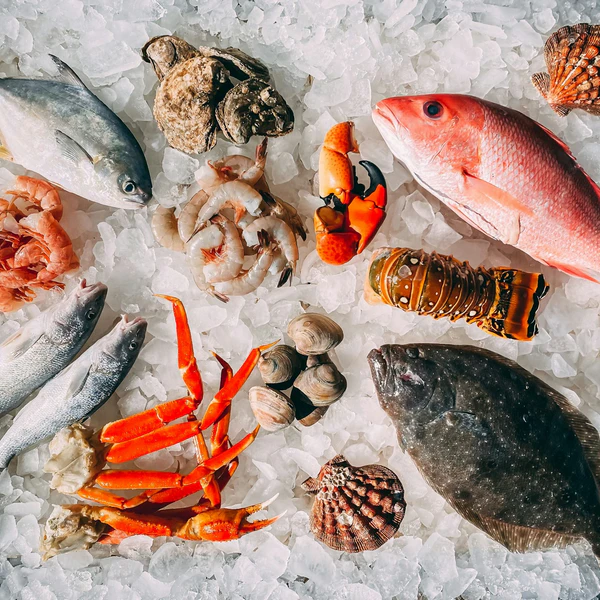
When magnesium is used, gentler forms such as glycinate, malate, taurate, threonate or chloride are usually easier to tolerate. It also helps to build meals around mineral rich whole foods such as meat, shellfish, dairy, eggs, and mineral water.
Selective Supplements
A few plant or mineral compounds have some human data, though the evidence is uneven.
Fenugreek has shown blood sugar benefits in trials, but the studies vary a lot in dose and quality (Neelakantan et al., 2014).
Berberine has also shown promise in small human trials, with glucose and lipid changes that drew attention early on (Zhang et al., 2008). Still, it can cause stomach upset and it does not replace better meals.
Some people also look into;
| Bitter melon | Compounds in bitter melon may help cells take up glucose more effectively and may reduce how much glucose the liver releases. |
| Chromium | Chromium supports insulin signaling, which may help the body move glucose out of the blood and into cells more efficiently. |
| Alpha lipoic acid | Alpha lipoic acid may improve insulin sensitivity and help muscles pull more glucose from the blood. |
| Gymnema sylvestre | Gymnema may reduce sugar absorption in the gut and may support insulin release and glucose handling. |
| Vanadyl sulfate | Vanadyl sulfate is thought to mimic some insulin-like effects and may help increase glucose uptake by cells. |
| Ceylon cinnamon | Ceylon cinnamon may modestly support insulin sensitivity and may slow carbohydrate breakdown and glucose entry into the blood. |
| Propolis | Propolis contains polyphenols that may help lower inflammation and oxidative stress, which can support better insulin function and glucose control. |
Human evidence for these options ranges from early to mixed and some have a narrow margin for safe use. Vanadyl sulfate, for example, showed improved insulin sensitivity in a small older trial, but that does not make it a casual daily supplement (Cohen et al., 1995). Cinnamon has shown modest fasting glucose effects in some studies, though not every marker improved and the data are mixed (Allen et al., 2013). Food and habits still do the heavy lifting. Supplements work best as a small add-on after the basics are in place.
Before changing your diet, supplements, or health routine, talk with a licensed healthcare professional. For any health concerns or questions about a medical condition, get guidance from a physician or another appropriately trained clinician.
FAQs
What is the easiest first step for steadier blood sugar?
Cut sweet drinks and snack foods first. Those foods can raise blood sugar fast and often lead to more cravings later.
How many meals each day work best?
Many people do well with two or three meals a day. Fewer eating times often means fewer insulin spikes.
Is walking really enough to help?
Yes, short walks after meals can help a lot. That habit is simple, cheap, and easy to repeat.
Which supplements look most promising?
Magnesium, berberine, fenugreek, and Ceylon cinnamon have some of the better human data. None should replace basic diet and lifestyle work.
What should a simple low-carb day look like?
A simple day could be eggs and beef in the morning, burger patties at lunch, and salmon or steak at dinner, with water between meals.
Research
Goldenberg, J.Z. et al. (2021) ‘Efficacy and safety of low and very low carbohydrate diets for type 2 diabetes remission: systematic review and meta-analysis of published and unpublished randomized trial data’, BMJ, 372, m4743. Available at: https://pubmed.ncbi.nlm.nih.gov/33441384/
Sutton, E.F. et al. (2018) ‘Early Time-Restricted Feeding Improves Insulin Sensitivity, Blood Pressure, and Oxidative Stress Even without Weight Loss in Men with Prediabetes’, Cell Metabolism, 27(6), pp. 1212–1221.e3. Available at: https://pubmed.ncbi.nlm.nih.gov/29754952/
Lin, X. et al. (2022) ‘Time-restricted eating for patients with diabetes and prediabetes: A systematic review’, Frontiers in Nutrition, 9, 1025919. Available at: https://pmc.ncbi.nlm.nih.gov/articles/PMC9671354/
Umpierre, D. et al. (2011) ‘Physical activity advice only or structured exercise training and association with HbA1c levels in type 2 diabetes: a systematic review and meta-analysis’, JAMA, 305(17), pp. 1790–1799. Available at: https://pubmed.ncbi.nlm.nih.gov/21540423/
Buxton, O.M. et al. (2010) ‘Sleep restriction for 1 week reduces insulin sensitivity in healthy men’, Diabetes, 59(9), pp. 2126–2133. Available at: https://pubmed.ncbi.nlm.nih.gov/20585000/
Veronese, N. et al. (2021) ‘Oral Magnesium Supplementation for Treating Glucose Metabolism Parameters in People with or at Risk of Diabetes: A Systematic Review and Meta-Analysis of Double-Blind Randomized Controlled Trials’, Nutrients, 13(11), 4074. Available at: https://pubmed.ncbi.nlm.nih.gov/34836329/
Neelakantan, N. et al. (2014) ‘Effect of fenugreek (Trigonella foenum-graecum L.) intake on glycemia: a meta-analysis of clinical trials’, Nutrition Journal, 13, 7. Available at: https://pubmed.ncbi.nlm.nih.gov/24438170/
Allen, R.W. et al. (2013) ‘Cinnamon use in type 2 diabetes: an updated systematic review and meta-analysis’, Annals of Family Medicine, 11(5), pp. 452–459. Available at: https://pubmed.ncbi.nlm.nih.gov/24019277/
Zhang, Y. et al. (2008) ‘Treatment of type 2 diabetes and dyslipidemia with the natural plant alkaloid berberine’, Journal of Clinical Endocrinology and Metabolism, 93(7), pp. 2559–2565. Available at: https://pubmed.ncbi.nlm.nih.gov/18397984/
Cohen, N. et al. (1995) ‘Oral vanadyl sulfate improves hepatic and peripheral insulin sensitivity in patients with non-insulin-dependent diabetes mellitus’, Journal of Clinical Investigation, 95(6), pp. 2501–2509. Available at: https://pubmed.ncbi.nlm.nih.gov/7769096/
Parry-Strong, A. et al. (2022) ‘Very low carbohydrate (ketogenic) diets in type 2 diabetes: A systematic review and meta-analysis of randomized controlled trials’, Diabetes, Obesity and Metabolism, 24(12), pp. 2431–2442. Available at: https://pubmed.ncbi.nlm.nih.gov/36064937/
Ajala, O., English, P. and Pinkney, J. (2013) ‘Systematic review and meta-analysis of different dietary approaches to the management of type 2 diabetes’, American Journal of Clinical Nutrition, 97(3), pp. 505–516. Available at: https://pubmed.ncbi.nlm.nih.gov/23364002/
Bird, S.R. and Hawley, J.A. (2017) ‘Update on the effects of physical activity on insulin sensitivity in humans’, BMJ Open Sport & Exercise Medicine, 2(1), e000143. Available at: https://pubmed.ncbi.nlm.nih.gov/28879026/
Yin, J. et al. (2008) ‘Efficacy of berberine in patients with type 2 diabetes mellitus’, Metabolism, 57(5), pp. 712–717. Available at: https://pubmed.ncbi.nlm.nih.gov/18442638/
Suksomboon, N., Poolsup, N. and Yuwanakorn, A. (2014) ‘Systematic review and meta-analysis of the efficacy and safety of chromium supplementation in diabetes’, Journal of Clinical Pharmacy and Therapeutics, 39(3), pp. 292–306. Available at: https://pubmed.ncbi.nlm.nih.gov/24635480/
Braakhuis, A. (2019) ‘Evidence on the Health Benefits of Supplemental Propolis’, Nutrients, 11(11), 2705. Available at: https://pubmed.ncbi.nlm.nih.gov/31731765/
Pandey, A. et al. (2011) ‘Alternative therapies useful in the management of diabetes: A systematic review’, Journal of Pharmacy and Bioallied Sciences, 3(4), pp. 504–512. Available at: https://pmc.ncbi.nlm.nih.gov/articles/PMC3249697/
Reynolds, A. et al. (2019) ‘Carbohydrate quality and human health: a series of systematic reviews and meta-analyses’, Lancet, 393(10170), pp. 434–445. Available at: https://pubmed.ncbi.nlm.nih.gov/30638909/
Reynolds, A.N. et al. (2020) ‘Dietary fibre and whole grains in diabetes management: Systematic review and meta-analyses’, PLoS Medicine, 17(3), e1003053. Available at: https://pubmed.ncbi.nlm.nih.gov/32142510/