Fitness Tracker Effects Backed By Real Evidence

Fitness Tracker

Key Takeaways Why People Use Them Self Tracking Appeal Fitness Trackers fit daily life with very little effort. A watch or band can count steps, log heart rate, mark workouts, and send reminders without much thought. That ease helps explain why so many people keep using them. The device turns vague ideas like move more … Read more

Allulose For Weight Loss Benefits Results & Real Limits

Key Takeaways Allulose Basics Sweetener Profile Allulose is a rare sugar that tastes sweet but provides very little usable energy. It is found in tiny amounts in a few foods and is now made for use in drinks, desserts and packaged foods. Research reviews describe it as a low energy sweetener with a smaller effect … Read more

Book Review: Daring Greatly by Brené Brown

Key Takeaways Summary Daring Greatly by Brené Brown is a thoughtful book about courage, shame and the risk of being seen as we really are. Brown writes about the pressure many people feel to appear strong, polished and in control. The book argues that real connection begins when people stop hiding every fear and flaw. … Read more

Resistance Training for Beginners: Safe Steps to Start

Key Takeaways Why Start Strength For Daily Life Resistance training means working muscles against a load. That load may come from dumbbells, barbells, machines, bands, or body weight. The goal is simple. Muscles, tendons, and the nervous system learn to handle more work over time. This kind of training is linked with better strength, better … Read more

How Taurine Improves Sleep, Focus & Workout Recovery

Key Takeaways Taurine Basics Taurine is an amino sulfonic acid found throughout the body. Taurine does not build muscle protein the way most amino acids do. Taurine stays in cells as a free compound, with high levels in the heart, skeletal muscle and retina. Reviews of taurine biology describe it as abundant in many tissues … Read more

How Your Cells Keep Their Shape Under Pressure

Key Takeaways Cell Shape Basics Cells live under constant pressure. Blood flow pushes on vessel cells, muscles stretch and relax, and immune cells squeeze through tight gaps. A cell stays intact because force gets shared across connected parts, not because one part is strong enough on its own. Mechanotransduction research describes how physical force at … Read more

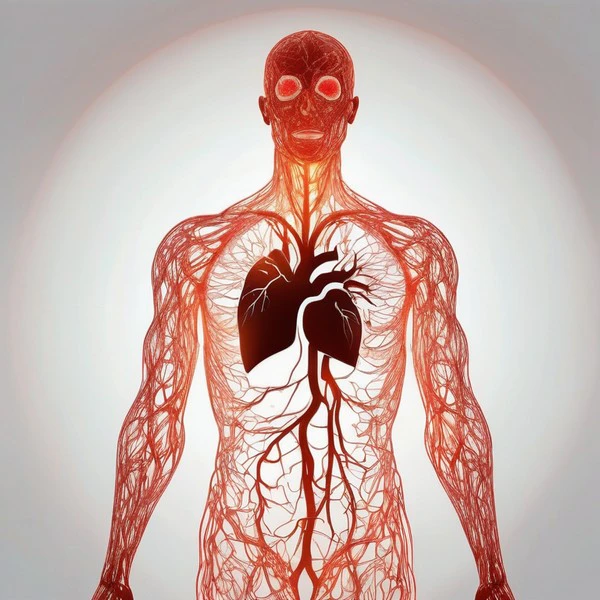
Humans Are Electrical Energy The Bioelectric Body Explained

Key Takeaways Bioelectric Basics Charge Across Membranes Cells separate charged minerals between the inside and outside of the membrane. This separation creates a voltage, often called the resting membrane potential, and it exists in almost every living cell. Voltage in biology describes a difference in electrical charge, not a store of usable power like a … Read more

How The Brain Works In Daily Life & Healthy Aging

Key Takeaways Brain Basics Core Jobs The brain runs movement, memory, emotion, attention and body control every minute of the day. It does this by passing tiny electrical and chemical signals across large networks of cells. Those signals let you speak, plan dinner, notice danger, remember a name and keep your balance while walking (1, … Read more

Ginger For Stomach Relief & Joint Comfort

Key Takeaways Stomach Relief Nausea Support Ginger has the strongest human research for nausea and vomiting. Reviews of randomized trials found benefit in several settings, including general nausea, digestive discomfort and nausea after surgery, though the size of the benefit changed from one study to another (1, 2, 3). Older clinical trials also pointed in … Read more

Antinutrients Guide To Foods Effects & Prep Tips

Key Takeaways What They Do Antinutrients are natural compounds in many plant foods that can reduce how much of a nutrient your body absorbs from a meal. The best known examples are phytate, oxalate, tannins and lectins. (1, 2, 3) Plants make these compounds for their own protection. That protective function helps explain why many … Read more

Book Review: Lies My Doctor Told Me by Dr Ken Berry

Key Takeaways “Lies My Doctor Told Me: Medical Myths That Can Harm Your Health” by Dr. Ken Berry takes a provocative look at the misconceptions and outdated advice often propagated in the healthcare system. Dr. Berry, a practicing family physician, challenges the conventional wisdom handed down by many medical professionals, arguing that some widely accepted … Read more

Is Tea Good for You or Just Overhyped?

tea

Key Takeaways What Tea Gives Nutrition Tea is a drink with a few useful effects, not a serious source of nourishment. A plain cup gives water, caffeine and plant compounds, yet it does not compare with eggs, meat, fish, shellfish or dairy for protein, minerals or vitamins. Large reviews of human studies suggest tea is … Read more

PAM Enzyme Effects On Hormones, Peptides & Health

Key Takeaways PAM Basics What PAM Does PAM gives many peptide hormones and neuropeptides their active final form. The full name is peptidylglycine alpha amidating monooxygenase. It adds a small chemical group called an amide to the tail end of certain peptides. That last step can decide whether a signal is strong enough to do … Read more

Ceruloplasmin Deficiency & Diabetes: How Low Copper Affects Insulin Sensitivity

Key Takeaways Copper & Blood Sugar Copper In Cells Copper helps several enzymes do basic work inside the body. Those enzymes help cells make energy, manage oxidative stress and handle iron in a safe way. Low copper can strain tissues that need steady energy every day, especially the liver, muscles and pancreas (1, 2). Insulin … Read more

How Humic & Fulvic Acids Affect Your Health

humic fulvic

Key Takeaways What Are They Humic and fulvic acids are carbon rich compounds formed when plants and microbes break down over long periods. They show up in soil, peat, lignite and shilajit, which is why labels often use those terms loosely. Product labels blur those categories far too often. Some formulas contain mostly fulvic acid, … Read more

Can Black Seed Oil Help Hair, Skin & Overall Wellness?

Key Takeaways Black Seed Oil Benefits Nigella Sativa Black seed oil comes from the seeds of Nigella sativa, a plant often called black cumin. Most discussion of black seed oil benefits centers on thymoquinone, a compound studied for anti inflammatory and antioxidant activity. Human research exists, but much of it is still early, condition specific … Read more

Ferroptosis, Seed Oils & Iron Overload

ferroptosis

Key Takeaways What Ferroptosis Means The Core Event Ferroptosis is a form of cell death driven by iron and oxidized fats in the cell membrane. The membrane is the soft outer layer that helps keep the cell whole and working. When too many membrane fats become oxidized, the membrane loses strength and the cell starts … Read more

CLA Sources & Fat Loss Facts

Key Takeaways CLA In Foods CLA Basics Conjugated linoleic acid is a group of fatty acids found mostly in the fat of ruminant animals such as cattle sheep and goats. The main natural form in food is called cis 9 trans 11 CLA. People usually eat it in beef lamb butter cheese and whole milk … Read more

Manage Blood Sugar Naturally With Simple Daily Habits

Key Takeaways Blood Sugar Basics Glucose & Insulin Blood sugar is the amount of glucose or sugar, moving through the blood. After a meal, insulin helps move that glucose into muscle, liver and other cells. When that system gets sluggish, blood sugar stays high for longer. Daily habits shape that rise and fall. Meal size, … Read more

Lose Belly Fat: 17 Effective Tips Backed By Science

belly fat

Key Takeaways Belly Fat Basics Waist Check Belly fat means more than the soft fat you can pinch. Some fat sits deeper around your organs. More deep belly fat links with worse blood sugar, fatty liver and higher blood pressure. Waist size often gives a better home check than daily body weight (1). Measure your … Read more

Plant Based Diet Downsides That Can Affect Health

Key Takeaways Nutrient Gaps Vitamin B12 Vitamin B12 is one of the hardest nutrients to cover on a fully plant based diet because dependable natural sources come from animal foods. Reviews comparing vegans with meat eaters keep finding the same problem. Vegans tend to have lower intake and poorer blood status, with the risk rising … Read more

Book Review: The Magnesium Factor By Dr. Mildred Seelig & Dr. Andrea Rosanoff

Key Takeaways “The Magnesium Factor” by Dr. Mildred Seelig and Dr. Andrea Rosanoff sheds light on the critical yet often underestimated role of magnesium in cardiovascular health. The book meticulously outlines how magnesium interacts with the body’s systems, particularly focusing on its relationship with the heart and blood vessels. Combining Dr. Seelig’s extensive research on … Read more

Meat & The Environment Beyond Simple Climate Claims

Key Takeaways Production Systems Matter Pasture & Feedlot Meat does not come from one uniform system. A cow finished in a feedlot with grain from large monocrops has a very different footprint from a cow raised mostly on pasture, and both differ again from mixed systems that use pasture for most of life and grain … Read more

Are Plant Sterols Safe?

plant sterols

Key Takeaways LDL Lowering Limits Short Trial Effects Plant sterols lower LDL in many short human trials by reducing part of cholesterol absorption in the gut. That finding is consistent across controlled studies and pooled reviews that used fortified foods or sterol enriched products (1, 2, 3). The usual drop is modest and often lands … Read more
Carnivore Diet Results: What People May Notice & Why

Key Takeaways Early Changes Hunger Drops Meat, eggs, seafood and animal fat give your body dense food without sugar. Many people notice fewer snack thoughts because protein and fat slow the rush back to hunger. A review of ketogenic diets found that hunger often stays lower during weight loss, even when weight loss usually makes … Read more

Tallow: Benefits, Uses & Nutrition

Key Takeaways Tallow is a stable cooking fat made from rendered beef or mutton fat. It gives energy, supports heat based cooking, and adds rich taste. Beef tallow has mostly saturated and monounsaturated fats, with very little water. Skin use may help dryness, though strong human studies are still limited. Quality, source, and how you … Read more

Vegetable Oil Health Risks: What Evidence Really Shows

vegetable oil

Key Takeaways What is Seed Oil The name vegetable oil deliberately creates the false impression of squeezing carrots and cabbages. The true source of so called vegetable oil usually means a liquid fat pressed and or chemically extracted from garbage seeds. Common types include soybean, rapeseed and safflower. Many of these oils have a high … Read more

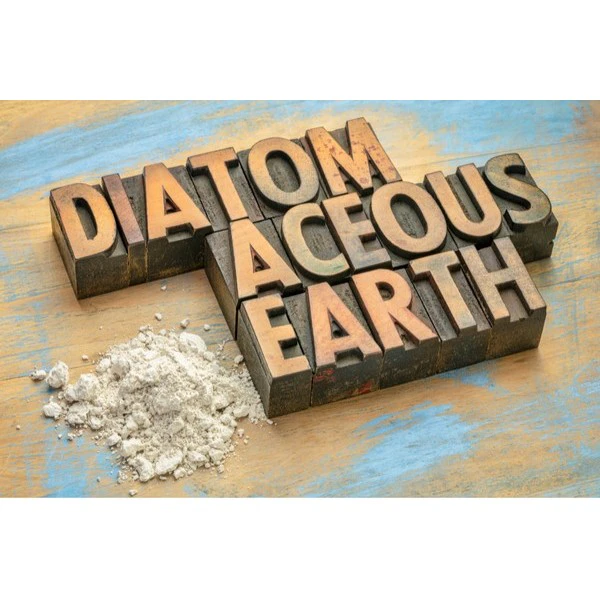
Diatomaceous Earth For Everyday Natural Use

Key Takeaways Diatomaceous Earth Basics What Is It Diatomaceous earth is a soft powder made from fossil algae called diatoms. Most products are mainly silica, often described as amorphous silica rather than crystalline silica. People use it in homes, gardens and some personal routines. Uses range from dry pest control to adding small amounts to … Read more

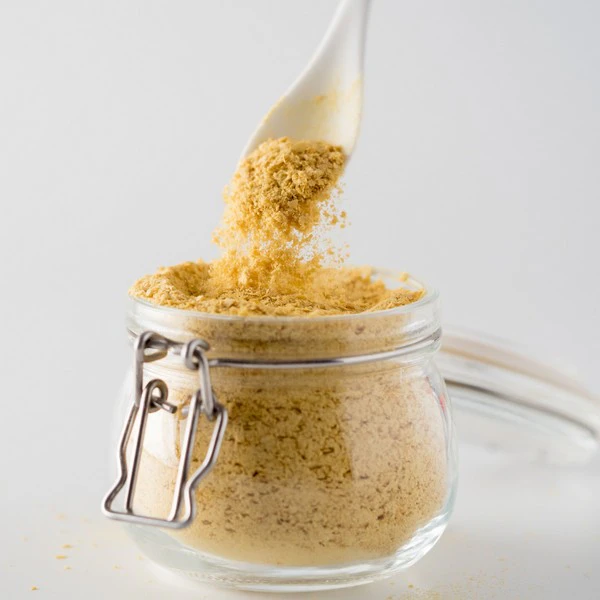
Nutritional Yeast for Health: What the Research Shows

nutritional yeast

Key Takeaways What is Nutritional Yeast Inactive Yeast Nutritional yeast is an inactive form of Saccharomyces cerevisiae sold as flakes or powder with a savory taste. Harvard Health describes it as a seasoning used for a cheese like flavor, not as a stand alone staple food (1). Most people use one to three tablespoons at … Read more

Synthetic B Vitamins Vs Natural & Health Risks

Key Takeaways Factory B Vitamins Chemical Production Synthetic B vitamins are made in chemical plants and industrial vats. They are not grown in real food. They are made through reactions, fermentation, conversion, purification, drying and powder handling. The label shows a vitamin name. The label does not show the chemical work used to make it. … Read more

Ultra-Processed Foods Health Effects Backed By Evidence

ultra processed food

Key Takeaways NOVA Basics Ultra-processed foods are not just foods that were cooked, canned or frozen. In the NOVA system, they are industrial formulations made with ingredients such as refined starches, sugars, oils, protein isolates, flavorings, colors, emulsifiers and sweeteners. These products are built to be ready to eat, highly tasty and easy to overuse … Read more
Protein Claims On Product Labels Vs Actual Ingredients

Key Takeaways Protein Claims Spread Wide Protein Halo Protein claims are no longer limited to tubs of powder. They now sit on candy like bars, breakfast cereal, yogurt cups, puddings, chips, cookies, frozen meals, and bottled drinks. That front label can pull the eye to one good sounding number while the rest of the product … Read more

Synthetic Zinc Supplements: Risks & Dangers

zinc

Key Takeaways Zinc Pills Synthetic Zinc Synthetic zinc is zinc put into pills, capsules, drops, lozenges and drink powders. Common forms include zinc gluconate, zinc sulfate and zinc acetate. These products give zinc by itself. Food does not work that way because food gives zinc with other minerals, fat and protein. Adults have an upper … Read more
Cod Liver Oil Benefits For Heart, Joint & Bone Health

Key Takeaways Natural Vitamin D & Omega 3 Real Vitamin D Cod liver oil gives natural vitamin D in a whole food form alongside marine fats and retinol. Many people do better with that kind of package than with isolated fortified products or stand alone synthetic pills. Vitamin D supports immune signaling, calcium handling and … Read more
Adrenal Fatigue Symptoms: Daily Habits To Prevent Them

adrenal fatigue

Key Takeaways What The Term Means Many people use the phrase adrenal fatigue to describe feeling worn out, wired, foggy, and drained after long stress. That symptom mix is common, but a large systematic review found no solid proof that adrenal fatigue is a real medical diagnosis or a proven cause of those complaints (Cadegiani … Read more

Supplements Explained: Benefits & Risks

Key Takeaways Supplements are products that add vitamins, minerals, herbs, amino acids or other substances to the diet. They can help in some cases, but they are not a stand-in for meals built from real food [NIH ODS, 2023]. Food has protein, fat, minerals and other compounds together in a form the body knows well. … Read more

Iodine & What the Highest Quality Evidence Shows

Key Takeaways What Iodine Does Thyroid Hormone Iodine is a trace mineral the body uses to make thyroid hormone. These hormones help control growth, brain development, body heat, and energy use. The need for iodine rises in pregnancy because the mother must support her own thyroid system and the developing baby’s brain at the same … Read more

Book Review: The Magnesium Miracle by Dr. Carolyn Dean

Key Takeaways In “The Magnesium Miracle,” Dr. Carolyn Dean explores the essential yet often overlooked role of magnesium in maintaining health and preventing disease. As a medical doctor and a naturopath, Dr. Dean provides a detailed examination of how this vital mineral influences the human body and offers practical advice on how to avoid its … Read more

Top Signs Of Nutrient Deficiency

nutrient deficiency

Key Takeaways Low Energy Tired All Day Ongoing fatigue is one of the most common warning signs of nutrient deficiency. Iron deficiency can cut stamina, lower exercise tolerance, and make it harder to think clearly. Low B12 can do the same, especially when it affects red blood cells or nerve tissue. Low vitamin C and … Read more

Vitamin E Complex Guide To Tocotrienols & Tocopherols

Key Takeaways Vitamin E Complex Four Tocopherols Vitamin E is a fat soluble nutrient family. It includes alpha, beta, gamma and delta tocopherol. It also includes alpha, beta, gamma and delta tocotrienol. Many labels still treat vitamin E as if alpha tocopherol is the whole story, though the full family has eight natural forms with … Read more